
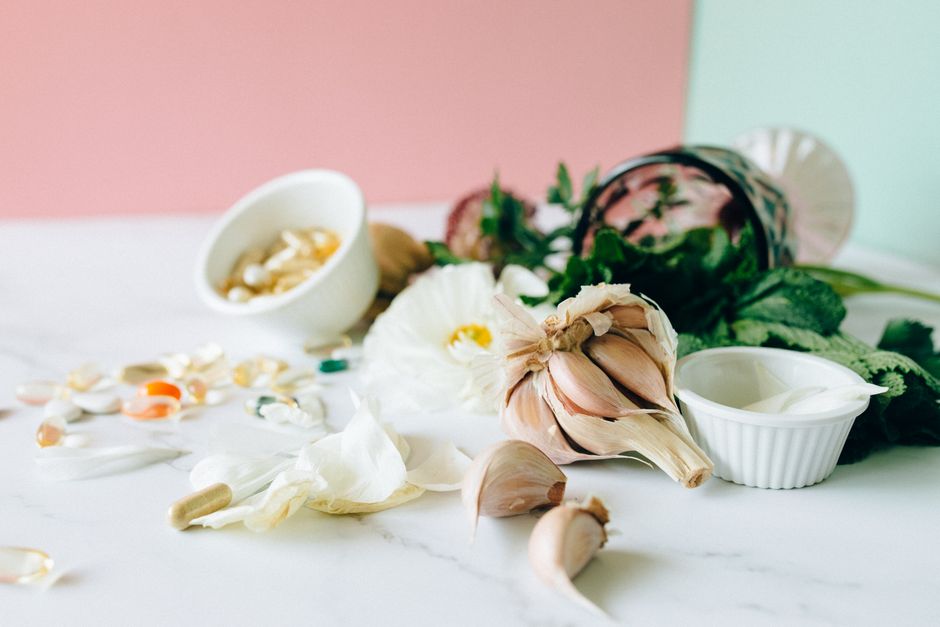
Garlic keeps best in a cool, dark, dry, and well-ventilated spot with plenty of air moving around it. Leave bulbs whole and unpeeled, keep them out of the refrigerator, and never seal them in plastic. Stored this way, most garlic holds for several months, though the exact time depends on whether you are working with softneck or hardneck garlic.
Those four conditions — cool, dark, dry, airy — are the whole game. Nearly every storage mistake people make with garlic comes from breaking one of them.
Why Does Garlic Rot or Sprout in Storage?
Garlic is a living bulb. It is dormant after harvest, not dead. Given moisture and warmth, it does what any living bulb does: it sprouts, using its own stored energy to push a green shoot out the top.
The main spoilage problems are different, and they have different causes:
- Sprouting is triggered by warmth and moisture. A sprouting bulb is still usable, but the clove turns soft and the flavor sharpens.
- Mold needs moisture. Trapped humidity — a sealed bag, a humid drawer, a wet counter — is the usual setup.
- Softening and shriveling come from dry air pulling moisture out of the cloves over time.
- Root growth appears when humidity is high, even without soil. Those little white roots at the base are a sign the bulb has been sitting in damp air.
Notice that moisture cuts both ways. Too much causes mold and roots. Too little causes shriveling. The target is dry air, not wet and not sealed.
What Is the Best Way To Save Garlic at Home?
The best home method is whole bulbs in a breathable container, kept cool and dark. That single approach covers most of what you will ever store.
Braid softneck garlic if you grow it — the stems are flexible enough. Hardneck garlic has a stiff central stalk and does not braid well, so hang it by the stalk or leave it loose in a mesh bag. Either way, the point is air circulation.
Keep the bulbs in their papery skins. Do not peel or separate cloves until you are ready to cook. A whole bulb with its wrapper intact holds moisture in the right places and keeps air movement around the outside.
Where should you keep garlic?
A cool, dark, dry spot with good airflow. A pantry shelf away from the stove, a hanging mesh bag, or a ventilated basket all work. Ideal storage temperatures for garlic are generally described as cool but not cold — roughly in the range of a dry, unheated pantry rather than a refrigerator.
Keep garlic away from onions if you can. They have different moisture needs, and storing them together tends to shorten the life of both.
Should Garlic Be Stored in the Refrigerator?
No. The refrigerator is one of the worst places for whole garlic, and the reason is not obvious.
Refrigerator air is cold and humid. That combination encourages sprouting and mold in whole bulbs. Many people refrigerate garlic because it seems like the safe default for produce, but garlic does not behave like lettuce or berries.
There is one exception worth knowing. Fresh garlic that has already been peeled or chopped can be refrigerated in a sealed container for a short time, and it should be used quickly. Once the protective papery skin is gone, the clock speeds up dramatically.
Some people store garlic in the freezer. Freezing whole bulbs makes them mushy when thawed, but freezing chopped or pureed garlic works reasonably well for cooking. Freezing does not improve flavor, but it is a practical way to keep a large harvest from going to waste.
How Long Does Garlic Last?
Storage life depends on the type of garlic and the conditions. These are general ranges, not guarantees.
| Type or Condition | Typical Storage Life |
|---|---|
| Softneck garlic, whole bulb, cool and dry | Several months |
| Hardneck garlic, whole bulb, cool and dry | Shorter than softneck — often a few months |
| Peeled cloves, refrigerated | A few days |
| Chopped or pureed garlic, frozen | Several months |
Hardneck garlic generally stores for less time than softneck. This is one reason commercial garlic is usually softneck — it travels and keeps better. If you buy hardneck at a farmers market, plan to use it sooner.
Check your supply every few weeks. One moldy bulb can spread trouble to its neighbors, so pull out any bulb that feels soft, looks discolored, or smells off.
How Do You Store Peeled or Chopped Garlic?
Peeled garlic is a different problem from whole garlic, and it needs to be treated that way. Once the skin is off, the cloves are exposed to air and moisture and spoil much faster.
Peeled cloves can go in a sealed container in the refrigerator and should be used within a few days. Chopped garlic is even more perishable. If you have more than you can use quickly, freezing is the better option.
One safety point matters here. Garlic in oil — homemade garlic-infused oil kept at room temperature — carries a real risk of botulism. Garlic is a low-acid vegetable, and oil creates the oxygen-free environment that Clostridium botulinum needs. The safest approach is to make garlic oil in small amounts and refrigerate it, using it within a few days, or to follow established canning and acidification guidance. Do not leave homemade garlic oil sitting on the counter.
How To Save Garlic That Is Starting To Sprout
Sprouted garlic is not ruined. It is past its best, but it is still usable. The green shoot itself is edible, though it tends to be bitter, and many cooks remove it before using the clove.
The clove around a sprout is often softer and milder than a fresh clove. Use sprouting garlic soon, and use it in cooked dishes rather than raw preparations where the texture and flavor difference will show.
If a bulb has gone soft, smells sour, or shows fuzzy mold, discard it. Do not try to salvage part of a moldy bulb — the visible mold is only part of what is there.
Can You Freeze Garlic To Make It Last Longer?
Yes, and freezing is one of the most reliable ways to preserve a large amount. Chop or puree the cloves, spread them in a thin layer or portion them into ice cube trays, and freeze. Transfer the frozen portions to a sealed bag or container.
Frozen garlic works well in cooked dishes. It does not hold up as a raw garnish, because freezing breaks down cell walls and the texture turns soft. That trade-off is worth it when you have more garlic than you can use before it spoils.
Whole unpeeled cloves can also be frozen, but they are harder to use later because the skin clings once frozen. Peeling first is usually the more practical choice.
What About Buying Garlic in Bulk?
Bulk buying is where storage habits matter most. Inspect bulbs before you buy — firm, tight, with dry papery skin and no soft spots. Avoid bulbs with green shoots already showing or damp patches at the base.
Once home, sort through the bunch and remove any bulb that looks questionable before storing the rest. One bad bulb in a mesh bag can affect the others.
If you buy peeled garlic in a jar or bag from the store, follow the package’s refrigeration instructions. Those products are typically treated and packaged for a specific shelf life, and the rules differ from whole bulbs.
Frequently Asked Questions
Should garlic be kept in the fridge?
No, whole garlic should not be refrigerated because cold, humid air encourages sprouting and mold. Keep whole bulbs in a cool, dark, dry, and airy spot instead.
How long does garlic last in storage?
Whole softneck garlic stored cool and dry typically lasts several months, while hardneck garlic usually keeps for less time. Peeled cloves last only a few days in the refrigerator.
Can you freeze garlic to make it last longer?
Yes, chopped or pureed garlic freezes well for several months and works fine in cooked dishes. It turns soft, so it is not ideal for raw use.
Is sprouted garlic safe to eat?
Yes, sprouted garlic is safe and still usable, though the clove may be softer and the green shoot bitter. Discard any bulb that is moldy, soft, or smells sour.
