
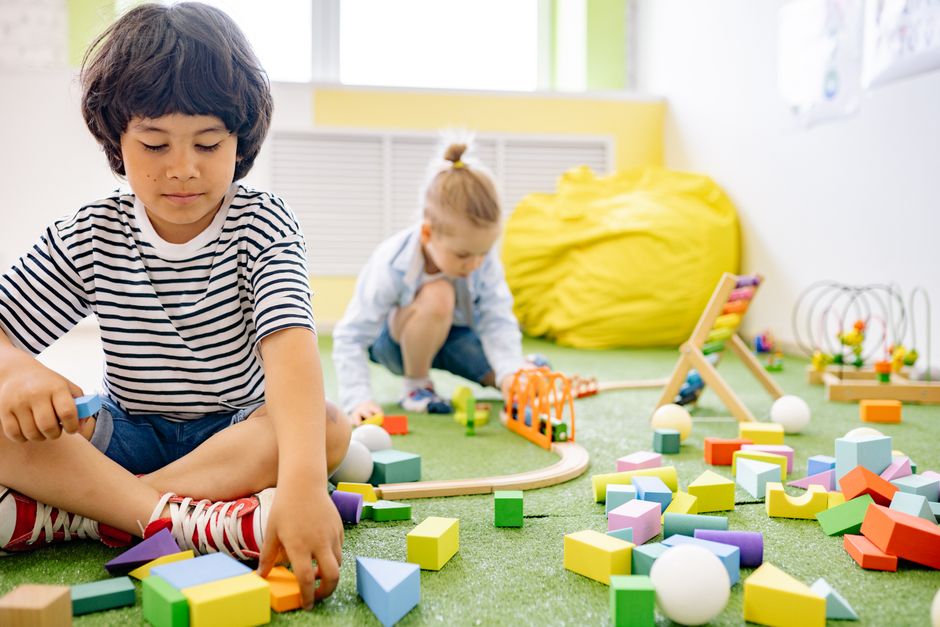
Sanitizing toys in a daycare means cleaning them first with soap and water, then applying a disinfectant or sanitizer that is appropriate for the toy’s material, and letting it air dry completely. Toys that go in mouths need sanitizing daily. Large plastic play equipment and dress-up clothes need it weekly. Soft toys that cannot be washed should be removed from infant and toddler rooms entirely. The steps below follow the same basic order every time: sort, clean, sanitize, rinse, dry, store.
Why Does Cleaning Have To Come Before Sanitizing?
Cleaning and sanitizing are two different jobs, and sanitizing a dirty toy does not work well. Dirt, food residue, and dried saliva block disinfectants from reaching the surface. A wipe or spray applied over grime may kill far fewer germs than the label claims.
Cleaning physically removes germs along with soil. Sanitizing then reduces the germs that remain to a level public health agencies consider safe. Skipping the wash step is the most common mistake in daycare toy routines, and it is the one that matters most.
This is why a quick wipe with a disinfecting wipe is not the same as washing and sanitizing. Wipes are convenient and useful in some situations. For a toy that has been chewed, dropped, and handled by several children, soap and water first is the reliable path.
How Should You Sort Toys Before Cleaning Them?
Sorting first saves time and prevents damage. Some toys tolerate bleach solutions and hot water. Others will be ruined or become unsafe. Group toys into three piles before you start.
- Hard, non-porous toys: plastic blocks, stacking rings, toy dishes, bath toys, hard rattles. These handle washing and most disinfectants well.
- Fabric and soft toys: stuffed animals, cloth books, dress-up clothes, fabric dolls. These need machine washing or removal from the room.
- Toys that cannot be washed or submerged: electronic toys, wooden toys with water-based finishes, toys with batteries, plush toys with glued-on parts. These need surface cleaning only or should not be in infant rooms at all.
Check for cracks, peeling paint, and broken seams as you sort. Damaged toys trap moisture and germs and are hard to clean properly. Discard them rather than working around the damage.
What Is The Step-By-Step Process For How To Sanitize Toys In Daycare?
The routine is the same whether you are cleaning a bin of blocks or a single teething ring. Follow the sequence in order, every time.
Step 1: Wash with soap and water
Use warm water and dish soap or a mild detergent. Scrub all surfaces, including the undersides and any grooves or ridges. For small toys, a dish rack or mesh bag in the sink works well. Rinse thoroughly with clean water so no soap residue remains. Soap residue can leave a taste that discourages children from using the toy, and some children are sensitive to it.
Step 2: Apply the sanitizer or disinfectant
Use a product approved for the surface and follow the label exactly. The label tells you the concentration, the contact time, and whether rinsing is required. Contact time is the part people skip. A bleach solution or disinfectant needs to stay wet on the surface for the full time listed on the label to work as intended. If it dries before that, the process is incomplete.
If you mix a bleach solution, use unscented household bleach and follow the dilution on the label or your local health department guidance. Mix it fresh each day. Bleach loses strength over time once diluted, and a bottle mixed last week is not reliable. Never mix bleach with other cleaners, especially anything containing ammonia or vinegar.
Step 3: Rinse if the label requires it
Some sanitizers are no-rinse. Others, including bleach solutions used on items children put in their mouths, require a clean water rinse. Check the label and your licensing rules. When in doubt, rinse.
Step 4: Air dry completely
Let toys dry fully on a clean rack or towel before they go back in the play area. Moisture left in crevices, squeeze toys, and bath toys supports germ growth. Squeeze water out of bath toys and let them drain fully. A toy that stays damp inside is not clean, even if it was sanitized.
Step 5: Store clean toys separately
Keep clean toys in a labeled bin away from dirty ones. Store them in a dry place. Do not put clean toys back into a bin that held dirty toys without washing the bin too.
How Often Should Daycare Toys Be Sanitized?
Frequency depends on how the toy is used and who uses it. Infant and toddler rooms need the most attention because toys go into mouths constantly.
General guidance from childcare health resources sets these patterns:
- Toys that go in mouths or are handled by infants and toddlers: clean and sanitize daily, and whenever a toy is mouthed by more than one child.
- Hard toys handled by older children: clean and sanitize at least weekly, and more often during cold and flu season or when illness is spreading through the room.
- Dress-up clothes and fabric items: wash weekly or when visibly soiled.
- Large play equipment, tables, and shelves: clean and sanitize daily.
- Any toy soiled with bodily fluids: remove it from the play area immediately, clean and sanitize it before it returns, and follow your program’s bloodborne pathogen and body fluid procedures.
Your state childcare licensing rules may set specific frequencies. Those rules take priority over general guidance, so check your licensing requirements and follow them.
What Sanitizing Method Works For Each Type Of Toy?
Match the method to the material. The wrong method can damage a toy or leave it unsafe.
| Toy type | Cleaning method | Notes |
|---|---|---|
| Hard plastic, no batteries | Wash in soapy water, sanitize by label directions or approved bleach solution, rinse, air dry | Dishwasher-safe toys can go on a hot cycle if the manufacturer says so |
| Fabric and stuffed toys | Machine wash hot with detergent, dry completely on high heat if the label allows | If a stuffed toy cannot be machine washed, remove it from infant and toddler rooms |
| Wooden toys | Wipe with damp soapy cloth, wipe with clean damp cloth, dry fully | Avoid soaking wood, which can warp it and lift the finish |
| Electronic toys | Remove batteries, wipe surfaces with a damp soapy cloth, dry fully | Never submerge; follow the manufacturer’s cleaning instructions |
| Bath and water toys | Wash, sanitize, squeeze out water, air dry fully | Discard toys that stay moldy inside and cannot be cleaned |
Dishwashers are useful for hard plastic toys that the manufacturer lists as dishwasher safe. The heat does much of the sanitizing work. Check the label first, because heat can warp some plastics and ruin painted parts.
What Should You Never Do When Sanitizing Daycare Toys?
Some common shortcuts create real risks. Avoid these:
- Do not use bleach on fabric, stuffed toys, or anything a child puts in their mouth without a required rinse. Bleach residue on a toy a child mouths is a hazard.
- Do not mix cleaning products. Bleach combined with ammonia or acids releases dangerous fumes.
- Do not rely on a spray-and-wipe on a visibly dirty toy. Clean first, always.
- Do not skip the contact time. A sanitizer that dries too fast did not finish its job.
- Do not keep toys that cannot be cleaned. In infant and toddler rooms, soft toys that cannot be washed do not belong in the play area.
- Do not store toys wet. Damp storage grows germs and mold.
Keep all cleaning products locked away and out of children’s reach. Store them in their original labeled containers. Never transfer a cleaner into a food or drink container. This matters in any room where children play.
How Do You Keep The Routine Consistent Across Staff?
A sanitizing routine only works if every staff member follows it the same way. Write the steps down and post them near the cleaning area. Include the products you use, the contact times, and the schedule for each toy type.
Assign cleaning to specific people on specific days so nothing is missed. Keep a simple log of when toys were cleaned. Logs help during licensing inspections and help you spot gaps before they become problems.
Train new staff on the routine before they handle toys. The most common failure is not laziness. It is a staff member who was never shown the contact time or the rinse step. A short, clear posted guide fixes most of that.
Frequently Asked Questions
How often should daycare toys be sanitized?
Toys that go in mouths should be cleaned and sanitized daily, and hard toys for older children at least weekly. Your state licensing rules may require more frequent cleaning, so follow those requirements.
Can I use bleach to sanitize daycare toys?
A diluted bleach solution can sanitize hard, non-porous toys when mixed and used exactly as the label directs. Toys children mouth need a clean water rinse afterward, and bleach should never be used on fabric or stuffed toys.
Do I have to rinse toys after sanitizing them?
Rinse whenever the product label requires it, and always rinse items that go into children’s mouths. Some sanitizers are no-rinse by design, but the label is what tells you which type you have.
Can stuffed animals stay in a toddler room?
Only if they can be machine washed and dried completely. Stuffed toys that cannot be washed should be removed from infant and toddler rooms because they cannot be properly cleaned.
