
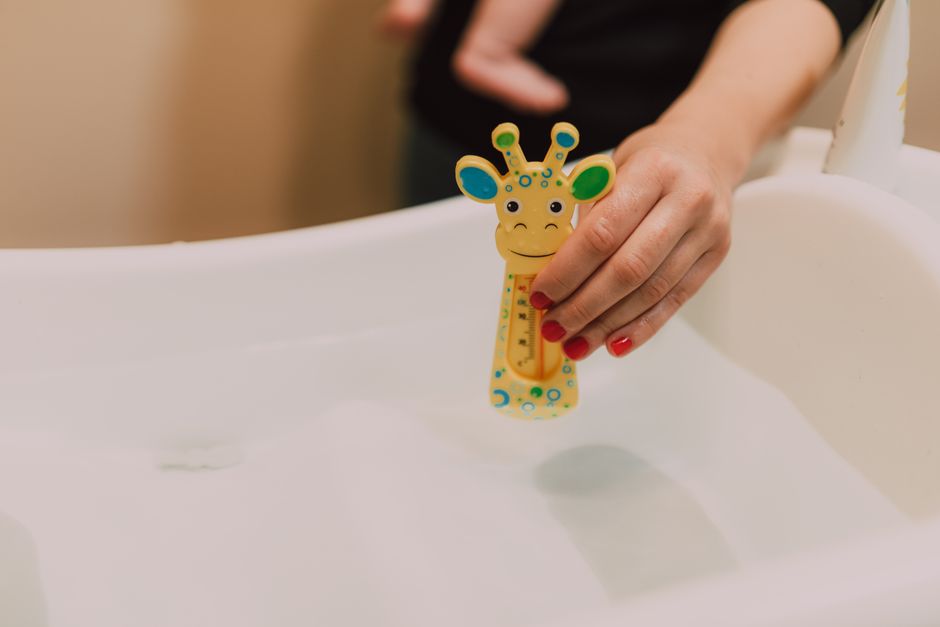
Babies put everything in their mouths. That is not a phase you can train away — it is how they explore the world and build their immune systems. So the real question is not whether toys get contaminated. It is what you do about it without soaking your home in bleach or wrecking every toy you own.
The safe, simple method depends on the toy. Hard plastic and silicone toys can be washed with warm water and mild dish soap, or run through a dishwasher on a hot cycle if the manufacturer says it is dishwasher-safe. Fabric toys usually go in the washing machine. Wood and electronic toys need surface wiping only. The one rule that never changes: rinse away all soap residue, because whatever is left on the toy ends up in your baby’s mouth.
Why Do Baby Toys Need Sanitizing At All?
Because a toy that has been chewed, dropped on the floor, and handed to a sibling is carrying whatever was on all three surfaces. Saliva, food residue, floor dirt, and household germs all collect on the same object, and that object goes straight into a mouth.
For most healthy babies, this is not a medical emergency. Immune systems are built partly through exposure to ordinary household microbes. The goal of cleaning toys is not sterility. It is reducing the buildup of germs that cause ordinary illness — colds, stomach bugs, and the kind of diarrhea that spreads easily through a household.
There are situations where it matters more. A baby with a weakened immune system, a premature infant, or a household where someone is sick needs more careful attention. So does a daycare setting, where many babies share the same toys. In those cases, routine cleaning is not optional.
One clarification worth making: “sanitizing” and “disinfecting” are not the same thing. Sanitizing reduces germs to a level considered safe by public health standards. Disinfecting kills nearly all of them. For baby toys, sanitizing is usually enough. Disinfecting is for when a toy has been contaminated by vomit, stool, or a sick child’s saliva.
What Is The Safest Way To Clean Plastic And Silicone Toys?
Warm water, a few drops of mild dish soap, and a clean cloth or sponge. That is the whole method for most plastic and silicone toys, and it works.
Scrub the surface, paying attention to grooves, seams, and any part your baby chews most. Rinse thoroughly under running water. Soap residue left on a toy is not harmless — it can irritate a baby’s mouth and stomach. Air dry on a clean rack or towel.
If the toy is marked dishwasher-safe, the dishwasher is a legitimate shortcut. Use a hot cycle and skip the heated drying cycle if the toy is prone to warping. Place small parts in a mesh bag or the cutlery basket so they do not fall through.
What to avoid:
- Do not soak toys with batteries, speakers, or electronic components. Water gets inside and stays there.
- Do not use bleach on anything your baby will chew. Even diluted, residue is a risk.
- Do not use alcohol wipes on silicone teethers. Some silicones absorb and hold onto residue.
- Do not put toys in the microwave unless the manufacturer specifically says they are microwave-safe.
Rinse, and rinse again. That step matters more than the soap you choose.
How Do You Clean Fabric And Plush Toys?
Most fabric toys can go in the washing machine on a gentle cycle with a mild, fragrance-free detergent. That is the simplest and most effective method, and it works for stuffed animals, cloth books, and fabric rattles.
Check the tag first. Some plush toys have glued-on eyes, plastic inserts, or music boxes that will not survive a wash. If the toy has a battery pack, remove it if possible. If you cannot remove it, do not machine wash the toy.
For toys that cannot be washed, surface cleaning is the fallback. Wipe with a damp cloth and mild soap, then let it dry completely. Some plush toys can be spot-cleaned with a gentle fabric cleaner, but check that the cleaner is safe for something a baby mouths.
Drying matters as much as washing. Damp fabric grows mold, and mold inside a stuffed animal is not something you can see or easily remove. Air dry in a well-ventilated spot, or use a dryer on low heat if the toy can handle it. Make sure it is fully dry before it goes back to your baby.
Plush toys that cannot be washed and cannot be surface cleaned well are the hardest category. If a toy has been heavily contaminated and cannot be cleaned properly, replacing it is often the more practical choice.





Can You Sanitize Wooden And Electronic Toys?
Wooden toys should not be soaked or submerged. Water swells the wood, cracks the finish, and can cause the toy to splinter. Wipe with a damp cloth and mild soap, then dry immediately with a clean towel.
Some wooden toys are finished with food-safe oils or beeswax. These finishes can be reapplied occasionally to keep the surface sealed, but check the manufacturer’s guidance first. Not all wooden toys use the same finish, and some finishes are not meant to be reapplied at home.
Electronic toys are the trickiest. They cannot be submerged, and moisture inside the casing can damage the electronics or create a spot where mold grows. The safest method is a surface wipe with a slightly damp cloth and mild soap, followed by immediate drying. Never spray cleaner directly onto an electronic toy. Spray onto the cloth instead.
For toys with battery compartments, keep the compartment closed during wiping. If water gets inside, remove the batteries and let the compartment air dry completely before using the toy again.
How Often Should You Clean Baby Toys?
There is no single number that fits every household. Frequency depends on how often the toy is used, whether it goes in the mouth, and whether anyone in the home is sick.
A reasonable general approach:
- Toys that go in the mouth regularly — daily or every few days.
- Toys that are handled but not mouthed — weekly.
- Plush toys and fabric items — every one to two weeks, or sooner if visibly soiled.
- Any toy after a sick child has used it, or after contact with vomit or stool — immediately.
These are general cleaning practices, not clinical guidelines. No official body publishes a universal toy-cleaning schedule for home settings. Daycare and childcare facilities often follow their own state or local regulations, which may be more specific.
Common sense covers most of it. If a toy looks dirty, smells off, or has been dropped somewhere questionable, clean it. If your baby is sick, clean more often.
What About Toy Storage And Everyday Habits?
Where toys live matters as much as how you clean them. Toys stored in a damp bathroom or a musty bin will grow mold regardless of how well you wash them. Keep toys in a dry, ventilated spot.
Wash your own hands before handling toys your baby will mouth, especially after diaper changes, cooking, or being out in public. This is one of the most overlooked steps and one of the most effective.
Separate toys by use. Toys that stay indoors on a clean play mat need less frequent cleaning than toys that go to the park, the pediatrician’s waiting room, or daycare. If a toy has been somewhere public, clean it before it goes back into the regular rotation.
Rotate toys rather than keeping everything out at once. Fewer toys in circulation means fewer to clean, and it makes it easier to keep track of what has been washed recently.
One more thing worth saying plainly: you do not need to sterilize your home. Over-cleaning is not the goal, and there is no evidence that a sterile environment benefits a healthy baby’s development. The goal is reasonable hygiene — clean the things that go in the mouth, wash your hands, and do not let dirt and moisture build up. That covers the vast majority of what matters.
Frequently Asked Questions
Can I use bleach to sanitize baby toys?
No. Bleach residue on a toy that goes in a baby’s mouth is a risk, and safer alternatives like mild dish soap work for routine cleaning. Reserve stronger disinfectants for situations involving vomit or stool, and follow the product’s safety instructions carefully.
Can I put baby toys in the dishwasher?
Only if the manufacturer labels the toy dishwasher-safe. Use a hot cycle and skip heated drying if the toy might warp. Toys with batteries, electronics, or glued parts should never go in the dishwasher.
How do I clean a stuffed animal that cannot be washed?
Wipe the surface with a damp cloth and mild soap, then let it dry completely in a ventilated area. If the toy has been heavily contaminated and cannot be cleaned properly, replacing it is often the more practical choice.
How often should I clean my baby’s toys?
Toys that go in the mouth should be cleaned daily or every few days, and other toys about weekly. Clean immediately after any contact with vomit, stool, or a sick child.
