
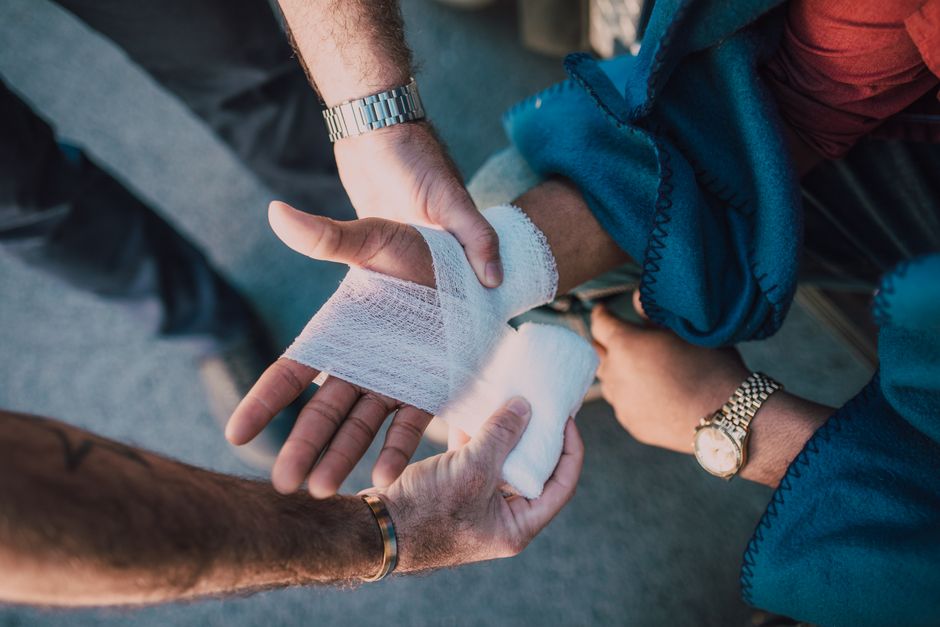
Wrapping bruised ribs is not a one-size-fits-all task. The first thing to know is that a snug elastic bandage around the whole chest is no longer standard advice. That kind of wrap can limit how deeply you breathe and raise the risk of lung problems. If you want support, the safer approach is a localized wrap or brace that covers the injured area without squeezing the entire rib cage. Rest, ice in the first day or two, and pain control that keeps you breathing normally do more good than a tight bandage.
What Happens When Ribs Are Bruised?
A bruised rib means the bone itself is not broken, but the tissue around it is damaged. The periosteum — the thin layer of tissue covering bone — is packed with nerve endings. When it gets compressed or torn, it hurts. A lot.
The muscles between the ribs and the cartilage connecting ribs to the breastbone can also be involved. This is why a bruised rib can hurt as much as a cracked one. Pain is not a reliable way to tell the difference.
Breathing makes it worse because the rib cage moves with every breath. Coughing, sneezing, laughing, twisting, and lying down all pull on the injured area. The pain typically peaks in the first few days and then gradually improves. Most bruised ribs heal on their own, but the timeline varies. Some people feel better within a couple of weeks. Others take longer, especially if they keep reinjuring the area.
Should You Wrap Bruised Ribs At All?
This is where old advice and current thinking diverge. For decades, wrapping the chest tightly was standard. It is not anymore.
The reason is simple. A tight circumferential wrap restricts chest expansion. When you cannot take deep breaths, small airways can collapse and mucus can pool. That raises the risk of pneumonia, particularly in older adults or anyone with existing lung conditions.
That said, some clinicians still recommend a localized wrap or a rib brace for comfort during specific activities. The key word is localized. A wide elastic bandage wrapped around the entire chest is different from a support that covers only the injured ribs and leaves the rest of the chest free to expand.
If you are unsure whether wrapping is appropriate for your situation, ask a healthcare provider. Rib injuries can overlap with more serious conditions, and imaging may be needed to rule out a fracture or internal injury.
How To Safely Wrap And Support Bruised Ribs
If a healthcare provider has confirmed a bruise and cleared you for wrapping, the technique matters. Done wrong, a wrap can do more harm than good.
Start with the right material. A wide elastic bandage — at least 4 inches wide — works better than a narrow one because it distributes pressure over a larger area. A rib brace designed for this purpose is another option.
Wrap around the injured area only. Do not circle the entire chest if you can avoid it. Some braces are designed to apply pressure to the front or side of the rib cage while leaving the back free. Follow the product instructions if you use one.
Snug, not tight. You should be able to take a full, deep breath without feeling restricted. If you cannot, the wrap is too tight. Loosen it immediately.
Never wrap so tightly that you cannot cough. Coughing is important. It clears your lungs. Painful as it is, suppressing a cough because of a tight wrap is dangerous.
Wear the wrap for short periods, not all day. Some clinicians suggest using it during activities that aggravate the pain, then removing it when you are resting. Sleeping in a tight wrap is generally not recommended.
Check your skin. Redness, numbness, or tingling means the wrap is too tight or has been on too long.





What About Ice, Heat, And Pain Relief?
Ice helps in the first 48 hours. Cold reduces blood flow to the area, which can limit swelling and numb the pain. Apply a cold pack wrapped in a thin cloth for 15 to 20 minutes at a time. Do not put ice directly on bare skin.
After the first couple of days, some people find heat more soothing. Heat increases blood flow and can relax tight muscles around the injury. The evidence for heat versus ice in rib bruises specifically is not strong, but the general principle of cold for acute inflammation and heat for muscle tension is widely accepted.
Over-the-counter pain relievers can help you breathe and move more comfortably. Acetaminophen (Tylenol) is often recommended because it does not thin the blood. NSAIDs like ibuprofen reduce inflammation and pain but may increase bleeding risk in some situations. If you have any doubt about which is right for you, ask a pharmacist or doctor.
Prescription pain medication may be appropriate for severe cases, but it comes with its own risks. Opioids can suppress breathing, which is especially concerning when deep breaths already hurt. This is a conversation to have with a healthcare provider.
Why Breathing Exercises Matter More Than Wrapping
The single most important thing you can do with a bruised rib is keep your lungs clear. That means taking deep breaths even when it hurts.
A common approach is incentive spirometry. This involves a small device that encourages you to take slow, deep breaths. Hospitals use it after surgery and for rib injuries. If you do not have one, you can do a simple version yourself. Take a slow, deep breath in through your nose, hold it for a few seconds, and exhale slowly. Repeat several times an hour while you are awake.
Huff coughing is another technique. Instead of a sharp, painful cough, you take a medium breath and exhale forcefully with an open mouth, like you are fogging a mirror. This clears mucus with less strain on the ribs.
Support the injured area with a pillow or your hand when you cough or sneeze. This splints the ribs and reduces movement.
When To See A Doctor
Not every rib injury is a bruise. Some symptoms suggest something more serious.
- You cannot take a deep breath at all
- The pain is getting worse instead of better after a few days
- You cough up blood
- You have shortness of breath at rest
- You hear a crackling or popping sound when you breathe
- You have a fever
- The pain came on suddenly without a clear cause
These signs could point to a fracture, a collapsed lung, pneumonia, or another condition that needs medical attention. Do not wait it out.
Also see a provider if you are older, have osteoporosis, or have a condition that affects your bones. A minor fall can cause a fracture in these situations, and the treatment approach may differ.
What Helps Bruised Ribs Heal Faster?
There is no shortcut. Time is the main healer. But a few things support recovery.
Rest does not mean lying still. Gentle movement helps prevent stiffness and keeps your lungs working. Walking is usually fine if you can tolerate it.
Avoid activities that twist or compress the rib cage. That includes heavy lifting, contact sports, and even sleeping on the injured side if it causes pain.
Sleep in a semi-upright position if lying flat hurts. Propping yourself up with pillows can reduce pressure on the ribs.
Do not smoke. Smoking irritates the lungs and makes it harder to clear mucus. If you already have a rib injury, smoking increases the risk of complications.
Most bruised ribs improve within a few weeks. If you are not seeing any improvement after that, or if the pain is interfering with your ability to breathe or function, follow up with a healthcare provider.
Frequently Asked Questions
Can I wrap my bruised ribs with an ACE bandage?
You can, but only loosely and only around the injured area. A tight wrap around the entire chest can restrict breathing and raise the risk of lung problems.
How long does it take for bruised ribs to heal?
Most bruised ribs improve within a few weeks, though some people take longer. If pain is not improving after that, see a healthcare provider.
Should I sleep with a wrap on my bruised ribs?
Generally, no. Sleeping in a tight wrap is not recommended because it can restrict breathing overnight. Use pillows for support instead.
What is the fastest way to heal bruised ribs?
There is no fast fix. Rest, breathing exercises, and avoiding reinjury are the mainstays. Time does most of the healing.
