
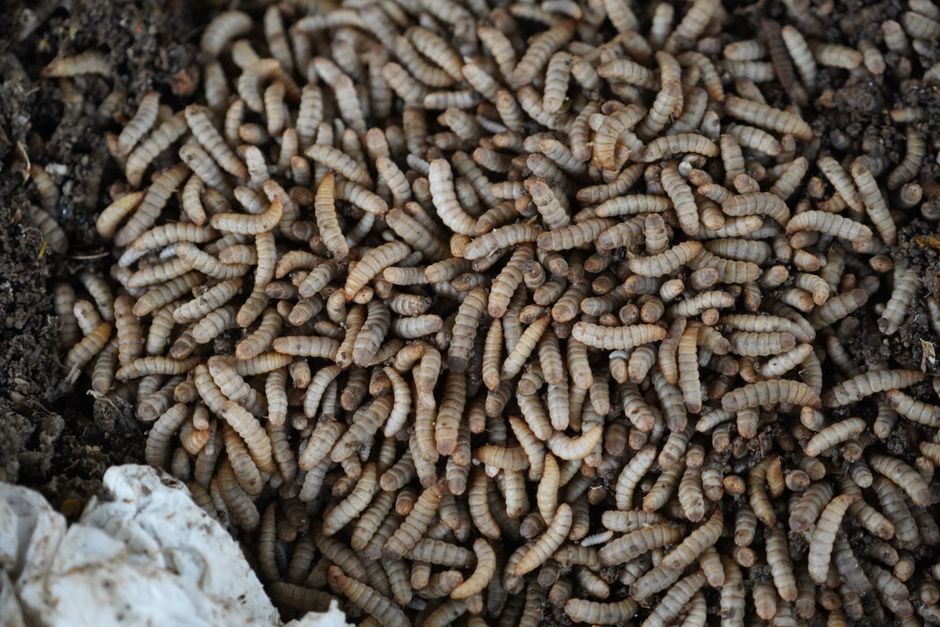
Maggots in a wound need to be removed by a medical professional. Do not try to pick them out yourself at home. Go to an urgent care center or emergency department the same day, and let a clinician remove them under proper light and sterile conditions and then clean and assess the wound. The one exception is a wound where a doctor placed medicinal maggots on purpose — those are removed by the care team, not by you.
That answer surprises people. It sounds like something a person should be able to handle with tweezers. But the real danger is rarely the maggots themselves. It is the wound underneath them, which is often deeper, more contaminated, and more infected than it looks from the outside.
Why can’t I just pull the maggots out myself?
Because you cannot see what you are doing well enough, and you cannot sterilize what you are doing it with. A wound that has maggots is, by definition, a wound that has been open long enough and neglected enough for flies to lay eggs in it. That takes time. The tissue underneath is often dead or dying, and infection is common.
When people try to remove maggots at home, a few things tend to go wrong. They use tweezers that are not sterile and push bacteria deeper. They break larvae apart, leaving fragments that are hard to remove. They miss maggots burrowed into pockets of tissue. And they spend hours on a problem that a clinician can assess in minutes.
There is also a diagnostic issue. A clinician needs to see the full wound — its depth, its edges, whether bone or tendon is exposed, and how much dead tissue is present. That assessment is the actual medical event. The maggots are a sign pointing to it.
What causes maggots in a wound?
Flies lay eggs on exposed tissue, and the eggs hatch into larvae, which is what we call maggots. This is called wound myiasis. It happens when an open wound is left uncovered and untreated, especially in warm weather, in people who cannot easily care for themselves, or in wounds that have been neglected for days or longer.
Certain conditions raise the risk. These include limited mobility, dementia, diabetes with poor wound healing, peripheral artery disease, and any situation where a person cannot feel or see a wound on their body — the feet, for example, or the back in someone who is bedbound. A wound does not need to be large. A small sore on a foot can attract flies if it is left open.
It is worth being clear about something that gets muddled online: maggots do not appear spontaneously. They come from fly eggs. A clean, covered, healing wound does not develop them.
What happens when a doctor removes them?
The clinician removes the larvae, then treats the wound itself. The removal step is usually straightforward. The wound care that follows is the part that matters most.
In clinical settings, removal typically involves flushing the wound with sterile saline and physically extracting larvae with forceps, sometimes under local anesthesia. Debridement — removing dead and contaminated tissue — often follows, because larvae feed on dead tissue and the wound is usually not clean underneath. Some clinicians use irrigation with certain solutions to help dislodge larvae from deeper pockets. The exact approach depends on the wound.
After that come the standard steps: cleaning, possibly antibiotics if infection is present, a proper dressing, and a plan for follow-up. If the wound is serious, imaging or a specialist referral may be needed. Tetanus status is usually checked, since any open wound raises that question.
One clarification worth knowing: medicinal maggots are a real, regulated medical product used in some wound-care settings to clean dead tissue from chronic wounds. They are sterile, applied by a clinician, and removed by the care team. That is a completely different situation from maggots that appear on their own. If you have a wound being treated with medicinal maggots, follow your care team’s instructions and do not remove them yourself.
When should I go to the emergency department instead of urgent care?
Go to an emergency department if there are signs of a severe infection or a wound that looks deep or dangerous. Signs that warrant emergency care include:
- Fever, chills, or feeling generally very unwell
- Redness or swelling spreading quickly beyond the wound
- Red streaks running away from the wound
- Pus, foul smell, or increasing pain
- Dark, black, or dead-looking tissue around the wound
- A wound deep enough to see bone, tendon, or muscle
- The wound is on the face, hands, feet, or over a joint
- You have diabetes, poor circulation, or a weakened immune system
For a shallow wound with maggots and no signs of serious infection, urgent care is often appropriate. If you are unsure, call ahead or go to the emergency department. Do not wait days to see if it improves.
What should I do while I wait to be seen?
Keep the wound covered with a clean, dry dressing and get to care as soon as you can. Do not apply home remedies, do not pour anything into the wound, and do not try to dig the maggots out. Covering the wound also prevents more flies from reaching it.
Wash your hands before and after touching the area or changing the dressing. If the wound is bleeding heavily, apply firm pressure with a clean cloth and call emergency services. If you develop a fever or the area becomes rapidly more painful or swollen, treat it as urgent and seek care immediately.
Do not use insecticide sprays, alcohol soaks, hydrogen peroxide, or other home treatments on the wound. These can damage healing tissue and do not reliably solve the problem. The evidence for home removal methods is essentially absent, and the risk of making the wound worse is real.
How can wound myiasis be prevented?
Keep wounds clean, covered, and checked regularly. That single habit prevents most cases. Flies cannot lay eggs on tissue they cannot reach.
For people caring for someone with limited mobility or sensation, inspect the skin daily, especially the feet, heels, and any skin folds. Change dressings as directed. Keep the person’s environment free of exposed food waste and standing garbage that attracts flies, and use screens on windows in warm weather. If a wound is not healing, get it looked at rather than waiting.
Prevention matters more than most people realize because wound myiasis is a marker of a wound that was already being neglected. The maggots are the visible problem. The untreated wound is the underlying one.
Frequently Asked Questions
Can I remove maggots from a wound at home?
No. Removal should be done by a medical professional who can also clean the wound and check for infection and dead tissue. Home removal risks pushing bacteria deeper and missing larvae in pockets of tissue.
Are maggots in a wound dangerous?
The maggots themselves are usually less dangerous than the underlying wound, which is often infected or contains dead tissue. Seek medical care the same day so the wound can be properly assessed and treated.
How do maggots get into a wound?
Flies lay eggs on exposed tissue, and the eggs hatch into larvae. This typically happens when an open wound is left uncovered and untreated, especially in warm weather or in people who cannot easily care for a wound.
Should I go to the ER or urgent care for maggots in a wound?
Go to the emergency department if there is fever, spreading redness, red streaks, pus, dark tissue, or a deep wound. For a shallow wound without those signs, urgent care is often appropriate.
