
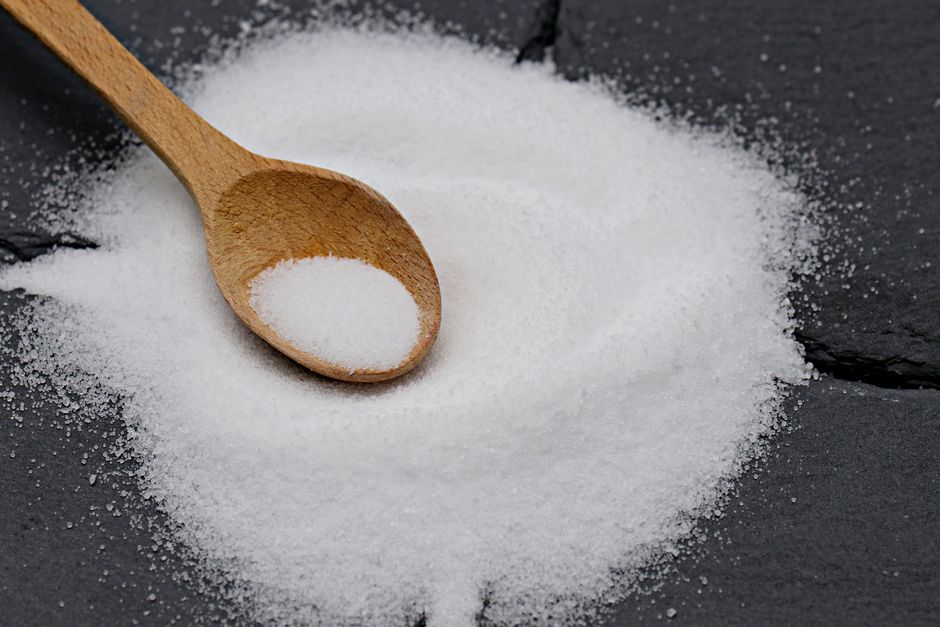
Sodium is an electrolyte your body needs to regulate fluid balance, nerve signals, and muscle function. If your blood sodium level drops below normal, the fix depends on why it dropped and how low it is. Mild cases are often corrected by adjusting fluids and eating normally, while serious cases need medical treatment because correcting sodium too fast can cause lasting harm to the brain.
What Counts as Low Blood Sodium?
Normal blood sodium generally falls between 135 and 145 millimoles per liter (mmol/L). A level below 135 mmol/L is called hyponatremia. This is a measurement of sodium concentration in your blood, not a measure of how much salt you eat.
That distinction matters. You can have low blood sodium while your body holds a normal or even high total amount of sodium. The number reflects the balance between sodium and water. When water rises relative to sodium, the concentration falls.
Doctors usually sort hyponatremia into three ranges:
- Mild: 130 to 134 mmol/L
- Moderate: 125 to 129 mmol/L
- Severe: below 125 mmol/L
These ranges matter because symptoms and urgency change with the number. Mild cases may cause no symptoms at all. Severe cases can lead to confusion, seizures, and coma.
How To Safely Increase Sodium Levels In The Body?
Safety comes down to two rules: fix the underlying cause, and raise sodium slowly. The correct approach depends on whether you are mildly low, seriously low, or low because of a specific condition or medication.
For mild hyponatremia caused by drinking too much water or losing salt through sweat, the fix is often simple. Reduce plain water intake for a few hours and eat normally. Food and normal beverages contain sodium. Many people correct mild cases this way without any medical treatment.
For moderate or severe hyponatremia, this becomes a medical matter. Treatment may include:
- An intravenous (IV) solution of sodium chloride, given in a controlled way
- Fluid restriction if the problem is too much water rather than too little sodium
- Stopping or changing a medication that is causing the drop
- Treating the condition behind it, such as heart failure, liver disease, or a hormone problem
The single most important safety point is speed. Sodium must be corrected gradually. If blood sodium rises too quickly, it can cause a serious and sometimes permanent brain injury called osmotic demyelination syndrome. Clinical guidance generally limits correction to a slow, monitored rate, and doctors check sodium levels repeatedly during treatment. This is why severe hyponatremia is treated in a hospital, not at home.
Why Does Low Sodium Happen?
Low sodium almost always has a cause, and finding it is the key to safe treatment. The most common drivers include:
- Too much water. Drinking large amounts of plain water, especially during endurance exercise, can dilute blood sodium.
- Medications. Diuretics (water pills) are a frequent cause. Some antidepressants and other drugs can also lower sodium.
- Heart, liver, and kidney disease. These conditions change how the body handles fluid and can dilute sodium.
- Hormone problems. An underactive thyroid or adrenal insufficiency can reduce sodium.
- SIADH. Syndrome of inappropriate antidiuretic hormone makes the body hold onto water. It has many triggers, including some medications and lung or brain conditions.
- Loss of salt through sweat, vomiting, or diarrhea, especially when replaced with plain water only.
Because the causes are so different, the treatment is different too. Eating more salt will not fix hyponatremia caused by SIADH, for example. This is why identifying the cause matters more than adding salt.




Should You Just Eat More Salt?
For most people with low blood sodium, simply eating more salt is not the right fix and can be the wrong move. In many cases the body has a normal amount of sodium but too much water. Adding salt does not correct that imbalance and may raise blood pressure without helping the sodium level.
There are exceptions. Some doctors recommend increased salt intake for certain people with chronic mild hyponatremia, and some athletes who lose heavy amounts of salt through sweat use electrolyte drinks. These are specific situations, not general advice.
For most adults, the more useful question is what is causing the low sodium, not how to add more salt. A doctor can usually narrow this down with a blood test, a urine test, and a review of medications.
Warning Signs That Need Medical Care
Mild low sodium often causes no symptoms. When symptoms appear, they tend to reflect how the brain responds to fluid shifts. Seek medical care promptly for:
- Confusion or trouble concentrating
- Headache
- Nausea and vomiting
- Loss of energy or unusual tiredness
- Muscle weakness, spasms, or cramps
- Restlessness or irritability
- Seizures
- Loss of consciousness
Symptoms usually worsen as sodium falls lower and as the drop happens faster. A rapid drop can cause serious symptoms even at levels that would be mild if reached slowly. Any seizure, fainting, or sudden confusion is an emergency. Call for help right away.
What About Athletes and Heavy Sweating?
People who sweat heavily for hours, such as endurance athletes and some outdoor workers, lose both water and sodium. Replacing that fluid with plain water alone can actually dilute blood sodium further. This is a real and well-documented problem in long endurance events.
The practical approach is to replace both fluid and electrolytes. Sports drinks that contain sodium help. So does eating salty foods during and after long events. For events lasting many hours, some athletes use electrolyte products, though the evidence on exactly how much sodium to replace is not fully settled and varies by person, sweat rate, and conditions.
For everyday exercise under an hour, plain water and a normal diet are usually enough. The risk rises mainly with very long duration, heavy sweating, and drinking large volumes of plain water.
What Not To Do
A few common mistakes can make low sodium worse or more dangerous:
- Do not try to correct severe hyponatremia at home. Rapid correction can cause permanent brain injury.
- Do not drink large amounts of plain water to “flush” your system if you suspect low sodium. That can lower it further.
- Do not take salt tablets without medical guidance, especially if you have heart, kidney, or blood pressure conditions.
- Do not assume it is just dehydration. Low sodium is often a water balance problem, not a water shortage.
Salt tablets and high-dose sodium supplements are not a general fix. For people with certain heart or kidney conditions, extra sodium can be harmful. Any decision to increase sodium should account for your overall health and medications.
When to See a Doctor
See a doctor if you have symptoms of low sodium, if a blood test showed a low level, or if you take a medication known to lower sodium, such as a diuretic. A single low reading may need a repeat test to confirm it.
If your level is only mildly low and you feel fine, your doctor may simply monitor it and adjust medications or fluids. If it is moderate or severe, or if you have symptoms, treatment is more involved and may require a hospital stay. The right path depends on your number, your symptoms, and the cause.
Frequently Asked Questions
What is the fastest way to raise sodium levels?
For serious cases, the fastest safe method is a controlled IV sodium solution given in a hospital, because sodium must rise slowly to protect the brain. Mild cases are often corrected by adjusting fluids and eating normally.
Can I raise my sodium by eating more salt?
Usually not, because most low sodium is caused by too much water relative to sodium rather than too little salt. Adding salt helps only in specific situations and should be guided by a doctor.
What foods increase sodium levels?
Foods that contain sodium include soups, broths, cheese, cured meats, pickled foods, and salted snacks. These can help in mild cases tied to salt loss, but food alone does not fix most causes of low blood sodium.
Is low sodium dangerous?
Yes, severe or rapidly developing low sodium can cause confusion, seizures, coma, and lasting brain injury. Mild cases may cause no symptoms, but any seizure or sudden confusion is an emergency.
