
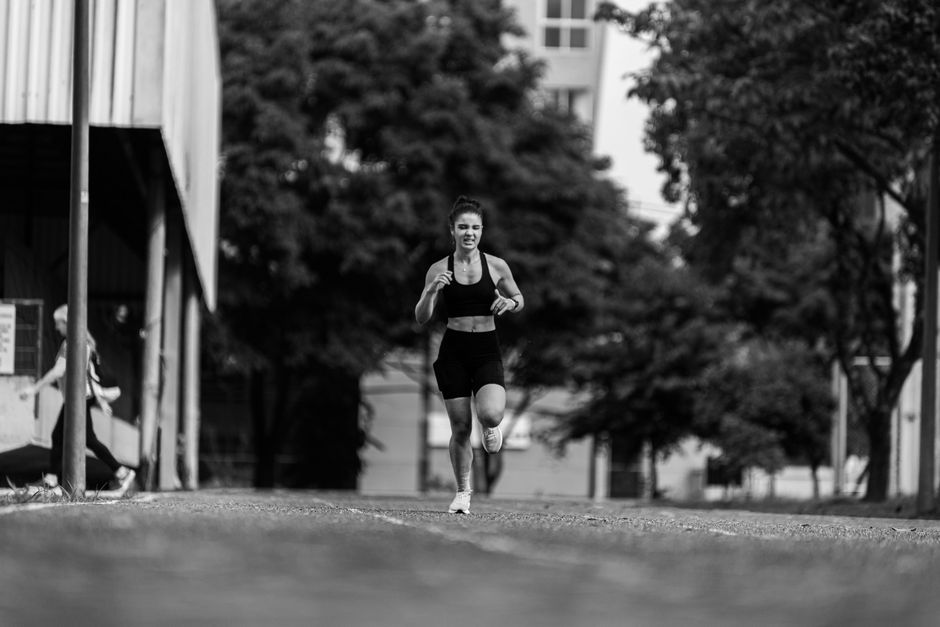
The 3200-meter run is a tough race. It is eight laps around a standard outdoor track, and it demands both speed and endurance. To run it well, you need a smart pacing plan, solid running form, and a clear race-day strategy. The key is to start controlled, settle into a steady rhythm by the second lap, and save your fastest running for the final two laps. This guide breaks down pacing, form, and race-day tactics so you can run your best 3200.
How To Run The 3200 Pacing Form And Race Day Tips?
Pacing a 3200 is about even splits with a strong finish. Do not go out too fast. Your first lap should feel easy, roughly two to three seconds slower than your target average lap pace. From lap two through lap six, aim to hit your target pace consistently. On lap seven, start to push. On the final lap, give everything you have left. This negative-split approach—running the second half faster than the first—is the most reliable way to run a personal best.
What Is A Good 3200 Meter Pacing Strategy?
The 3200 is a race of restraint. Most runners run their first lap too fast and pay for it later. A smarter approach is to run the first 400 meters slightly slower than your goal pace. This is not about losing time; it is about conserving energy for the later laps.
Think of the race in four parts. The first 800 meters is your settling-in phase. The middle 1600 meters is your rhythm phase. Lap seven is your transition lap where you begin to push. The final 400 meters is your finishing kick. If you run the first lap too fast, you will not have the energy to accelerate on lap seven.
If you do not know your target pace, run the first two laps at a pace where you can still speak in short sentences. If you are breathing too hard to talk, you are going too fast. If you feel like you are jogging, you may be going too slow, but it is better to start slightly slow than too fast.
How Should Your Running Form Look For The 3200?
Efficient form helps you run faster with less effort. This matters over eight laps. Small form errors become big energy drains over 3200 meters.
Keep your head steady and look about 10 to 15 meters ahead. Do not look down at your feet. Your shoulders should be relaxed and low, not shrugged up toward your ears. Let your arms swing naturally from your shoulders. Your hands should be relaxed, not clenched into fists. A tight fist creates tension that travels up your arm to your shoulders.
Your torso should stay tall. Do not lean forward from the waist. A slight forward lean from the ankles is fine, but bending at the waist restricts your breathing. Your hips should be high and forward.
Your foot should land beneath your center of mass, not way out in front of you. Landing too far forward acts like a brake with every step. Aim for a midfoot strike. This is not about forcing a specific foot strike pattern, but about avoiding an over-striding heel strike that slows you down.




How Do You Run The Tangents On The Track?
Running the tangents means running the shortest possible distance. A standard track lane measures 400 meters when you run exactly one meter from the inside rail. If you run wide in the turns, you run extra distance. Over eight laps, this adds up.
In the turns, run close to the inside rail without stepping on it. On the straightaways, run a straight line. Do not drift out wide on the turn and then cut back in. Drifting wide and cutting back in adds distance and breaks your rhythm.
When you pass another runner, do it cleanly. Do not run wide around them in the turn if you can avoid it. Wait for the straightaway if you can. Passing on the turn forces you to run extra distance in lane two or three.
What Should You Eat And Drink Before A 3200 Race?
What you eat before a race matters, but the 3200 is short enough that a big meal is not needed. The race lasts between 9 and 16 minutes for most high school and recreational runners. Your body has enough stored glycogen to fuel this effort without eating during the race.
Eat a light meal two to three hours before the race. Focus on easily digestible carbohydrates. Toast with jam, a banana, or oatmeal are good options. Avoid high-fat and high-fiber foods close to race time because they digest slowly and can cause stomach discomfort.
Hydration is important, but do not overdo it. Drink water regularly in the 24 hours before the race. In the hour before the race, take small sips of water as needed. Drinking a large volume of water right before the race can leave you with a sloshing stomach.
There is no need for energy gels or sports drinks during a 3200. The race is too short. Some research suggests that rinsing your mouth with a carbohydrate drink can improve performance in events lasting about an hour, but the evidence for events as short as the 3200 is limited. Do not try anything new on race day. Stick with what you have practiced in training.
How Should You Warm Up For A 3200 Race?
A proper warm-up prepares your body for the demands of the race. It should raise your heart rate, increase blood flow to your muscles, and activate your nervous system.
Start with 10 to 15 minutes of easy jogging. This should be conversational pace. Follow this with dynamic stretches such as leg swings, walking lunges, and high knees. Save static stretching—holding a stretch for 30 seconds or more—for after the race.
Finish your warm-up with a few short strides. Strides are 50 to 100 meter accelerations where you gradually build up to near race pace and then ease off. Do two to four strides about 10 minutes before the race starts. This activates your fast-twitch muscle fibers and gets you mentally ready to run fast.
Time your warm-up so you finish about 10 minutes before the start. You want to be warmed up but not sweating heavily or exhausted. If you finish your warm-up too early, you will cool down. If you finish too late, you will start the race breathing hard.
What Should You Do In The Final Two Laps?
The final 800 meters is where the race is decided. This is when you must be mentally tough. Your body will be tired, and your brain will want to slow down. You have to override that urge.
On lap seven, make a conscious effort to increase your effort. You do not need to sprint, but you should push your pace slightly. Think about lengthening your stride and increasing your arm swing. Focus on your form because it will start to break down when you are tired.
On the final lap, give everything you have. Accelerate down the backstretch. Hit the final turn hard, and then sprint the last 100 meters. Do not leave anything in the tank. You should cross the finish line feeling like you could not have run one more step.
Many runners make the mistake of starting their kick too late. They wait until the final 100 meters to sprint. By then, it is often too late to make up lost ground. Starting your acceleration on the final turn gives you more time to pass runners who started their kick too late.
How Do You Handle Race Day Nerves?
Feeling nervous before a race is normal. It means your body is preparing to perform. The goal is not to eliminate nerves but to manage them so they do not hurt your performance.
Focus on what you can control. You can control your warm-up, your pacing, and your form. You cannot control the weather, the other runners, or the track conditions. Do not waste mental energy on things you cannot control.
Have a race plan and stick to it. Knowing your target pace for each lap gives you a job to do. When you are focused on executing your plan, you have less time to think about being nervous.
Deep breathing can help calm your nerves. Take slow, deep breaths from your diaphragm in the minutes before the race. This activates your parasympathetic nervous system, which helps you relax. Do not take shallow breaths from your chest, which can increase feelings of anxiety.
Frequently Asked Questions
What is the average time for a high school 3200 meter run?
A competitive high school boy often runs the 3200 in about 10 minutes, while a competitive girl runs it in about 12 minutes. Recreational runners may take 14 to 16 minutes or longer.
How many laps is a 3200 meter race on a standard track?
A 3200 meter race is eight laps on a standard outdoor track. A standard track is 400 meters per lap when running in lane one.
Should I sprint the first lap of a 3200 meter race?
No, you should not sprint the first lap. Running the first lap too fast causes you to slow down significantly in the later laps, resulting in a slower overall time.
What is a negative split in a 3200 meter race?
A negative split means running the second half of the race faster than the first half. This pacing strategy is widely considered the most effective way to run a personal best time.
