
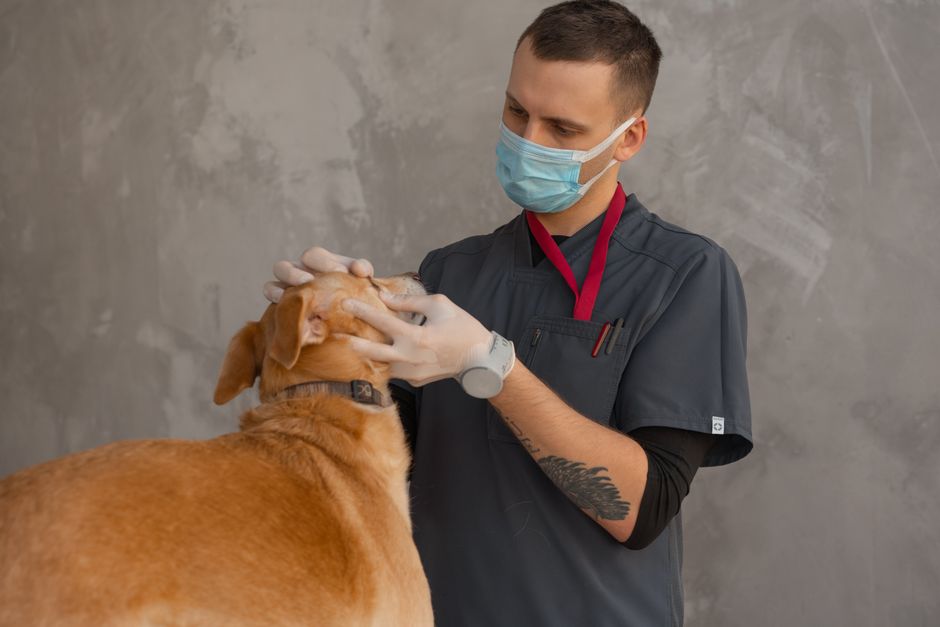
Running a veterinary clinic from licensing to profits requires meeting state and federal regulatory requirements first, then building a business that attracts clients and controls costs. You must obtain a veterinary license, DEA registration, and a facility permit before treating any animals. After that, success depends on smart location selection, clear pricing, efficient operations, and consistent marketing.
What are the first steps to start a veterinary clinic?
The first step is legal compliance. You need a Doctor of Veterinary Medicine (DVM) degree from an accredited school and a passing score on the North American Veterinary Licensing Examination (NAVLE). Every state also requires a state veterinary license, which may include a jurisprudence exam on local laws.
Next, you must register with the Drug Enforcement Administration (DEA) to prescribe controlled substances. Your facility itself needs a state veterinary facility license, and you may need local business permits and zoning approval. Some states require an inspection before opening.
How To Run A Veterinary Clinic Licensing To Profits?
The path from licensing to profits follows a clear sequence. Secure all required licenses and permits first — skipping any step can shut you down. Then create a business plan that covers startup costs, rent, equipment, payroll, insurance, and an emergency fund for at least six months of expenses.
Choose a location with high visibility and easy access for pet owners. An area with many pet owners but few nearby clinics gives you a competitive edge. Lease a space that meets your state’s facility requirements, including exam rooms, treatment area, surgery suite, and proper waste disposal.
Price your services to cover costs plus a reasonable profit margin. Research what other clinics in your area charge for exams, vaccines, spay/neuter, and dental cleanings. Build a fee schedule that reflects your costs and the local market. Many clinics also sell pet food and preventives as a revenue source.
Profits come when revenue consistently exceeds expenses. Track key metrics like number of patients per day, average transaction value, and overhead percentage. Adjust pricing, hours, or services based on the data. A well-run clinic typically reaches profitability within the first year to two years.
What licenses and permits does a veterinary clinic need?
Veterinary clinics need multiple licenses. The veterinarian must hold a current state veterinary license. The clinic itself needs a veterinary facility license from the state board of veterinary medicine. To prescribe or stock controlled drugs, you need a DEA registration and often a state controlled substance license.
Most states require a veterinary premises permit that covers the physical location. You may also need a business license from the city or county, a seller’s permit if you sell retail products, and an occupational license depending on your area. Check with your state veterinary board, local business licensing office, and the DEA for exact requirements — they vary by state and municipality.





How do you choose a profitable location?
Location directly affects how many clients you see. Look for areas with high pet ownership and rising population. A spot near a busy intersection, shopping center, or pet store can bring walk-in traffic. Avoid remote locations that require clients to drive far.
Also consider competition. Too many clinics nearby can force price wars and reduce profit. A neighborhood with one or two existing clinics can still be viable if you offer different services or hours. Rent should be affordable relative to your projected revenue — no more than 8–12% of gross income for most clinics.
What services should you offer to maximize profit?
Core services that every clinic should offer are wellness exams, vaccinations, spay/neuter, and dental cleanings. These are high-demand and relatively predictable. Many clinics add elective services like soft tissue surgery, dermatology, or geriatric care that command higher fees.
Retail sales of prescription diets, flea and tick preventives, and heartworm medication can provide a steady revenue stream with good margins. Some clinics also offer boarding, grooming, or training, but these require extra space and staff. Adding services gradually, based on client demand and your capacity, keeps expansion manageable.
How do you set prices for veterinary services?
Set prices that cover your costs, including rent, salaries, medical supplies, equipment, insurance, and waste disposal. Add a markup of 30–50% for profit. Compare your fees to other clinics in your area to stay competitive without undercutting your own sustainability.
Consider a fee-for-service model where clients pay per procedure. Some clinics offer wellness plans — a monthly fee covers preventive care for a year. This creates predictable income and encourages regular visits. Research shows practices with wellness plans often see higher client retention and revenue.
How do you attract and keep clients?
Marketing starts before you open. Build a website with your services, hours, and contact information. List your clinic on Google Business, Yelp, and local pet directories. Word of mouth is powerful — ask satisfied clients to leave reviews and refer friends.
Offer excellent customer service. Clear communication, short wait times, and clean facilities make clients return. Follow up after visits with a phone call or email. Clients who feel their pet is well cared for will stay loyal and spread the word. Consistent marketing and quality care together grow your client base and revenue.
What financial mistakes do new clinic owners make?
Underpricing is the most common mistake. New owners often set fees too low to attract clients, but this leaves no margin for costs or profit. Another mistake is overspending on equipment, fancy finishes, or unnecessary staff before revenue justifies it. Start with essential equipment and add as you grow.
Poor inventory management also hurts profits. Ordering too much food or medication ties up cash and risks expiration. Use inventory tracking software to match orders with demand. Finally, not tracking financial metrics — like average revenue per visit or overhead percentage — makes it hard to identify problems early. Review your numbers monthly and adjust.
Frequently Asked Questions
What licenses do I need to open a veterinary clinic?
You need a state veterinary license for the veterinarian, a DEA registration for controlled substances, a veterinary facility license, and local business permits. Requirements vary by state, so check with your state veterinary board.
How long does it take to get a veterinary clinic license?
Licensing timelines vary, but expect 3 to 6 months after submitting all applications. Delays often occur with DEA registration and facility inspections, so start the process early.
Can a non-veterinarian own a veterinary clinic?
Many states allow non-veterinarians to own a clinic, but a licensed veterinarian must be the medical director and oversee all patient care. Some states require the owner to be a veterinarian, so verify your state’s laws.
How profitable can a veterinary clinic be?
Profit margins for established veterinary clinics typically range from 10% to 30% of revenue. Profitability depends on location, pricing, overhead, and client volume. A well-managed clinic can earn a strong return within two years.
