
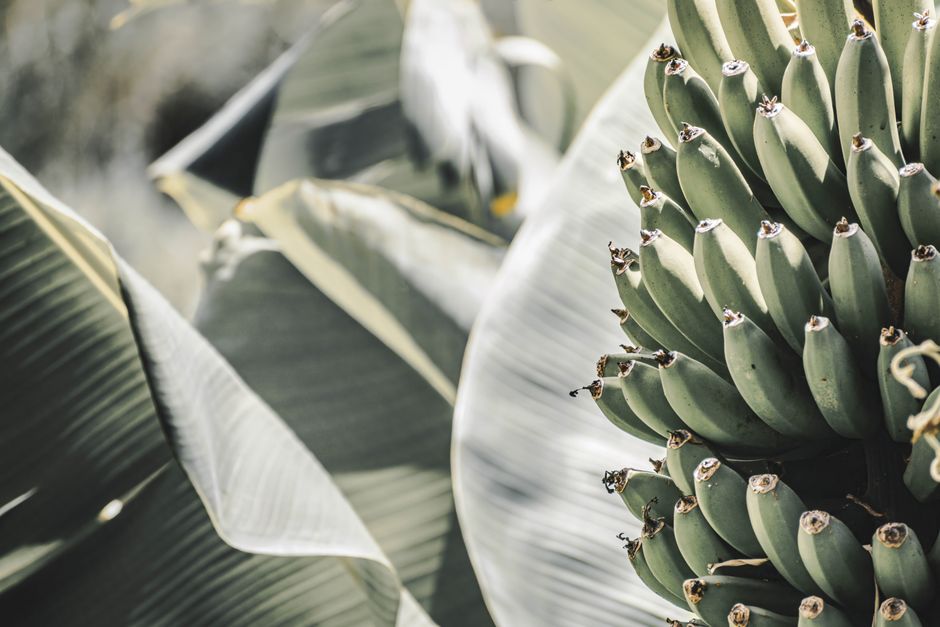
Bananas ripen because of a gas they make themselves. As a banana matures, it releases ethylene, a natural plant hormone that triggers the fruit to soften, turn yellow, and develop sweetness. To ripen organic bananas quickly at home, you trap that ethylene gas around the fruit. A paper bag works best. Adding a ripe apple or a ripe banana to the bag speeds things up. Depending on how green the bananas are, this can take anywhere from one to three days at room temperature.
How To Ripen Organic Bananas Quickly At Home
Organic bananas ripen the same way as conventionally grown ones. The difference is how they were farmed, not how the fruit behaves after you bring it home. Ripening is a biological process driven by ethylene, and it happens the same way in both.
The fastest home method is simple. Put the bananas in a paper bag, fold the top loosely, and leave them on the counter at room temperature. The bag traps the ethylene gas the bananas release instead of letting it drift away. That trapped gas speeds up the ripening process.
For an extra push, add one ripe apple or one ripe banana to the bag. Ripe fruit gives off more ethylene than green fruit, so it raises the gas level around the whole batch. This is why a single ripe banana in a bowl can ripen its neighbors faster.
A few practical points that matter:
- Use paper, not plastic. Plastic bags seal too tightly and can cause mold. Paper lets a little air move while still holding in ethylene.
- Keep the bag at room temperature. Cooler air slows ripening; warmer air speeds it up.
- Check the fruit once or twice a day. Once the bananas reach the color you want, take them out of the bag so they do not over-ripen.
- Do not wash the bananas before ripening. Extra moisture on the peel can encourage mold.
The timeline varies. A banana that is green but already full-sized may ripen in one to two days in a bag. A very hard, deeply green banana can take three days or more. There is no way to make a truly unripe banana turn yellow in a few hours at home.
Why Do Bananas Ripen Faster in a Paper Bag?
Ethylene is the reason. Fruits like bananas, apples, avocados, and tomatoes produce this gas as they ripen. Ethylene acts as a signal. It tells the fruit’s own cells to break down starch into sugar, soften the cell walls, and change the peel color.
In open air, that ethylene floats away and the process moves slowly. In a closed paper bag, the gas builds up around the fruit. Higher ethylene levels push the fruit through ripening faster.
This is a well-understood part of plant biology, not a folk trick. Commercial growers and shippers use the same principle. Bananas are often harvested green and shipped, then exposed to controlled ethylene to ripen them on schedule before they reach stores.
One clarification worth knowing: the bag does not create ethylene. It only concentrates what the bananas already produce. That is why adding a ripe banana or apple helps. It raises the starting level of gas inside the bag.
How Long Does It Take to Ripen Green Bananas?
Most green bananas ripen in one to three days in a paper bag at room temperature. The exact time depends on how green they started and how warm the room is.
Here is a rough guide based on starting color:
| Starting Color | Typical Time in a Bag |
|---|---|
| Deep green, hard | About 2 to 3 days |
| Light green | About 1 to 2 days |
| Green with a hint of yellow | About 1 day |
| Mostly yellow | Ready to eat; ripens further on its own |
These are general ranges, not fixed rules. A banana in a warm kitchen ripens faster than one in a cool room. A banana stored in a cold spot may barely change at all, because cold slows the ripening process.
If you want to slow ripening instead of speed it up, do the opposite. Keep bananas out of bags, separate them from other fruit, and store them in a cooler spot. Once a banana is fully ripe, putting it in the refrigerator slows further ripening, though the peel will turn dark brown. The inside usually stays good for a few more days.




Does Adding an Apple or Another Banana Really Help?
Yes. Ripe fruit releases more ethylene than unripe fruit. Adding one ripe apple or one ripe banana to the bag raises the ethylene level and can shorten ripening time.
Apples are among the stronger ethylene producers among common fruits. A ripe banana also works well. You do not need many. One piece of ripe fruit is enough to make a difference for a small batch of bananas.
There is a trade-off. The fruit you add will keep ripening too, and it may over-ripen or spoil before the bananas are ready. Check the bag daily and remove anything that starts to go soft or moldy. A moldy piece of fruit can spread mold to the bananas.
If you do not have ripe fruit on hand, the paper bag alone still works. It just may take a bit longer.
What Speeds Up Ripening and What Does Not
Some methods genuinely help, and others do not. Knowing the difference saves time and avoids wasted fruit.
What helps:
- A paper bag to trap ethylene.
- A ripe apple or ripe banana added to the bag.
- Room temperature, ideally a warm spot in the kitchen.
- Keeping the bananas together as a bunch, since they share ethylene.
What does not help, or can backfire:
- Plastic bags. They trap too much moisture and can grow mold.
- Direct sun or a hot oven. Strong heat can cook or damage the fruit rather than ripen it evenly.
- Refrigeration before ripening. Cold slows or stops the ripening process.
- Poking or cutting the peel. This damages the fruit and invites mold without speeding ripening.
One common myth is that you can ripen a green banana in minutes using heat or a microwave. You cannot. Heat may soften the fruit, but it does not create the sweetness and texture that come from natural ripening. A microwaved green banana will be soft and starchy, not ripe.
What About Bananas That Are Already Turning Brown?
Once bananas pass fully yellow and start to brown, they are past the eating-fresh stage for most people. The starch has converted to sugar, and the fruit becomes very soft. This is not spoilage by itself, but it is the end of the fresh-ripening window.
Brown bananas are still useful. They are sweet and soft, which makes them good for banana bread, smoothies, and muffins. You can also peel them, slice or mash them, and freeze them for later use.
The line between ripe and spoiled matters for food safety. A banana with mold on the peel or flesh should be thrown out. A banana that is simply brown and soft, with no mold and a normal smell, is over-ripe but not unsafe.
If you want to hold bananas at peak ripeness, the refrigerator is the tool. Cold slows ripening, so a yellow banana moved to the fridge will stay firm longer, even though the peel darkens. The peel color change is cosmetic and does not mean the fruit has gone bad.
Does Organic Change Anything About Ripening?
No. Organic bananas ripen by the same biology as any other banana. The organic label describes how the fruit was grown, not how it ripens after harvest.
One practical difference is that organic bananas may be harder to find at the exact ripeness you want. If you buy them green, the paper bag method works just as well as it does for conventional bananas.
A note on the label: organic produce is grown under specific standards, but “organic” does not mean the fruit is pesticide-free in an absolute sense, and it does not affect ethylene production or ripening speed. The ripening process is the same.
Frequently Asked Questions
How long does it take to ripen green bananas in a paper bag?
Most green bananas ripen in one to three days in a paper bag at room temperature. Very hard, deep green bananas can take longer, while bananas with a hint of yellow may be ready in about a day.
Can I ripen bananas faster with an apple?
Yes. A ripe apple releases ethylene gas, which speeds up ripening when both are sealed in a paper bag. One ripe apple is enough for a small batch of bananas.
Can you ripen bananas in the microwave or oven?
No. Heat can soften a green banana, but it does not create the sweetness and texture of natural ripening. A microwaved green banana stays starchy, not ripe.
Should I put bananas in the fridge to ripen them?
No. Cold slows or stops ripening, so the refrigerator is the wrong place for green bananas. Use the fridge only after bananas are fully ripe, to slow them down and keep them firm longer.
