
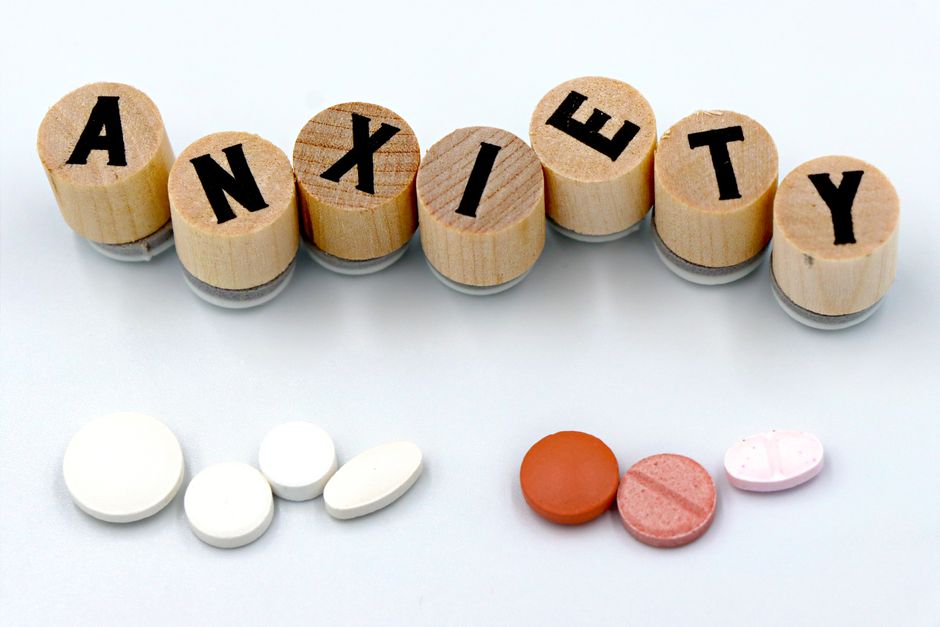
Anxiety is not a switch you flip off. It is a set of body and brain responses that can be turned down with practice, and science has a clear picture of what helps. The strongest evidence supports talk therapies — especially cognitive behavioral therapy — along with regular physical activity, controlled breathing, and, for some people, medication. No single method works for everyone, and “reversing” anxiety usually means managing it well rather than erasing it completely.
How To Reverse Anxiety What Science Says Works
Cognitive behavioral therapy (CBT) has the deepest body of research behind it for anxiety disorders. It works by helping people notice anxious thoughts, test them against reality, and gradually face the situations they avoid. Research consistently shows CBT reduces anxiety symptoms, and for many people the gains hold after therapy ends.
Exposure is the engine inside CBT. Avoidance gives anxiety short-term relief but teaches the brain the threat is real. Facing a feared situation in small, planned steps — and staying with it until the fear settles — teaches the opposite lesson. This is well established and is a core part of most evidence-based anxiety treatment.
Other approaches with good evidence include acceptance and commitment therapy (ACT) and certain mindfulness-based programs. The evidence for these is solid but generally not as extensive as for CBT. Digital CBT programs guided by a clinician also have supporting evidence, though self-guided apps alone are less studied and results vary.
Does Exercise Really Reduce Anxiety?
Regular physical activity is linked to lower anxiety, and this holds across many studies. The effect is real but usually modest — exercise is a helpful part of a plan, not a replacement for treatment of a diagnosed anxiety disorder.
Aerobic activity like brisk walking, cycling, or swimming appears to be the most studied. Some evidence also supports resistance training and yoga. The exact “best” dose is not settled. General physical activity guidelines recommend adults get at least 150 minutes of moderate activity per week, and that is a reasonable target for mental health benefits too.
One practical point: exercise can reduce anxiety over time, but it is not a fast fix during a panic attack. Its value comes from consistent practice across weeks, not a single workout.
Can Breathing Exercises Calm Anxiety?
Slow, controlled breathing can lower the physical signs of anxiety in the moment, such as a racing heart and rapid breathing. This is well established. What is less clear is how much breathing practice alone reduces anxiety over the long term compared with therapy.
When you are anxious, breathing tends to become fast and shallow. Deliberately slowing the breath — especially making the exhale longer than the inhale — can activate the body’s calming (parasympathetic) response. A common approach is to breathe in gently through the nose and out slowly through the mouth.
Breathing exercises are best seen as a tool to use during anxious moments, alongside a broader plan. They are low-risk for most people. If you have a heart or lung condition, check with a clinician before starting breath-holding techniques.
What About Medication For Anxiety?
Several medications have strong evidence for treating anxiety disorders. Which one fits depends on the type of anxiety, your health, and your preferences. This is a decision to make with a clinician, not from an article.
- SSRIs and SNRIs are often first-line for many anxiety disorders and have substantial supporting evidence. They usually take several weeks to work.
- Buspirone is used for some anxiety conditions and is generally better tolerated than older drugs in terms of dependence.
- Benzodiazepines can relieve anxiety quickly but carry a real risk of dependence and withdrawal. They are generally intended for short-term use.
Medication and therapy are often combined, and for some people the combination works better than either alone. Never start or stop a medication without medical guidance, especially benzodiazepines, which can cause dangerous withdrawal if stopped abruptly.
Do Lifestyle Changes Help With Anxiety?
Some lifestyle factors are linked to anxiety, and adjusting them can support a broader plan. The evidence is strongest for sleep, alcohol, and caffeine.
Poor sleep and anxiety feed each other. Improving sleep habits — a consistent schedule, limiting screens late at night, and a dark, cool room — is a reasonable step. Caffeine can mimic and worsen anxiety symptoms in sensitive people, and reducing it is a simple thing to test. Alcohol can ease anxiety briefly but tends to worsen it afterward and disrupt sleep.
Social connection and structured routines also appear to help, though the research here is less precise than for therapy or exercise. These changes are supportive, not a substitute for treatment of a diagnosed disorder.
How Long Does It Take To Feel Better?
Improvement timelines vary widely, and no single number fits everyone. With CBT, many people notice change within several weeks, but meaningful and lasting gains often take a few months of regular practice. Medication like SSRIs typically takes several weeks before effects are felt.
Progress is usually not a straight line. Setbacks are normal and do not mean treatment is failing. If anxiety is not improving after a reasonable period, that is useful information to bring to a clinician — it may mean adjusting the approach.
When Should You Get Professional Help?
Seek professional help when anxiety interferes with work, relationships, sleep, or daily life, or when it causes significant distress. Those are signs it has moved beyond ordinary worry and may be a treatable anxiety disorder.
Get help promptly if you have thoughts of harming yourself. In the US, you can call or text 988 to reach the Suicide and Crisis Lifeline. This is a real emergency resource, not a last resort.
A good starting point is your primary care clinician, who can assess symptoms and connect you with a therapist or psychiatrist. Anxiety disorders are common and treatable. Reaching out is a practical step, not a sign of weakness.
Frequently Asked Questions
Can anxiety be reversed without medication?
Yes, many people manage anxiety effectively with therapy, exercise, and lifestyle changes alone. Whether medication is needed depends on the type and severity of anxiety, so a clinician’s assessment helps.
What is the most effective treatment for anxiety?
Cognitive behavioral therapy has the strongest research support for anxiety disorders. Medication is also well supported, and combining the two often helps, especially for more severe anxiety.
Does exercise help anxiety as much as therapy?
Exercise reduces anxiety but the effect is generally modest compared with CBT. It works best as part of a broader plan rather than a replacement for treatment.
How long does CBT take to work for anxiety?
Many people notice improvement within several weeks, though lasting gains often take a few months of regular practice. Timelines vary by person and by the type of anxiety.
