
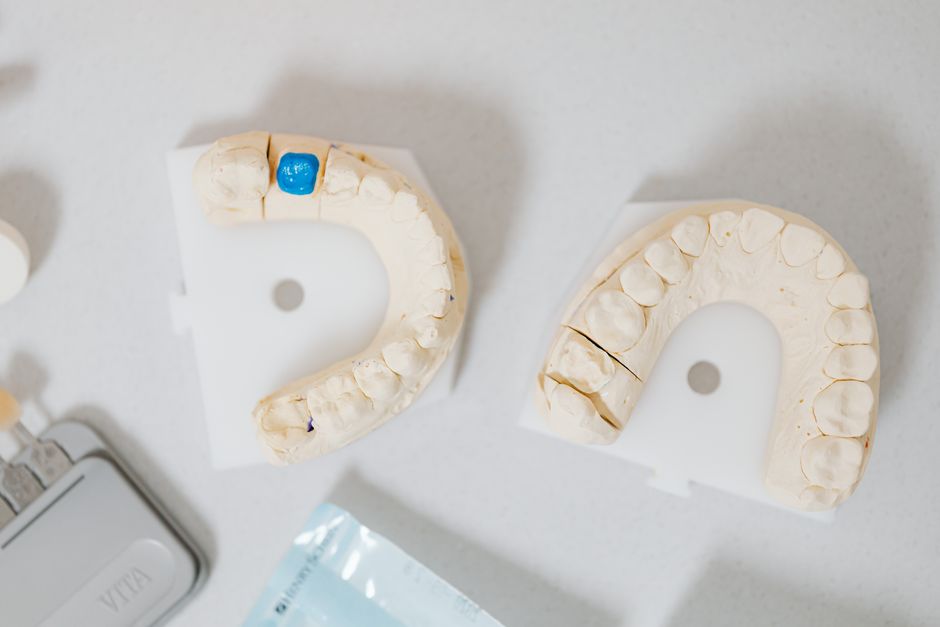
You cannot reverse a cavity that has already formed a hole in your tooth. But you can reverse the early stage of decay — the white spot lesion — when the enamel surface is still intact. The science behind this is called remineralization: your saliva delivers calcium and phosphate back into weakened enamel, and fluoride speeds up that repair. Once decay breaks through the enamel surface and reaches the dentin underneath, the process is no longer reversible without a dental procedure.
How To Reverse A Cavity The Science Of Remineralization
Tooth decay is a cycle, not a one-way street. Every day, your teeth lose minerals when acid produced by oral bacteria dissolves the enamel surface. Every day, your saliva works to put those minerals back. Whether you get a cavity depends on which side of that balance wins over time.
The acid comes from bacteria — mainly Streptococcus mutans and Lactobacillus species — that ferment sugars from your diet and produce lactic acid as a waste product. When the pH at the tooth surface drops below roughly 5.5, enamel begins to dissolve. This is demineralization.
When the pH rises again — because saliva washes away the acid and buffers it — the minerals in your saliva (calcium and phosphate) can move back into the enamel crystal structure. This is remineralization. The enamel does not come back exactly as it was before. But in the early stages, it can come back strong enough to stop the decay process.
The key word is early. This cycle only works in your favor while the enamel surface remains unbroken. Once bacteria break through the enamel and reach the softer dentin layer beneath, the damage becomes a physical hole. No amount of saliva or fluoride can fill a hole.
This is why dentists distinguish between a “cavity” and a “pre-cavity.” A pre-cavity — also called an incipient lesion or white spot lesion — is demineralized enamel that has not yet formed a surface break. That is the stage where reversal is possible.
What Does an Early Cavity Look Like Before It Becomes a Hole?
An early cavity often looks like a chalky white spot on the tooth surface. This is the visible sign of enamel that has lost minerals but has not yet collapsed.
You will typically see these spots near the gum line or in the grooves on the chewing surfaces of your back teeth. They are most common in areas that are hard to clean — between teeth, along the gumline, and in the deep pits and fissures of molars.
At this stage, the tooth surface feels smooth when a dental explorer passes over it. There is no softness, no stickiness, no actual break in the surface. A dentist can usually detect this visually or with a sharp explorer, and sometimes with dental X-rays for areas between teeth.
What you will not see is pain. Early demineralization does not hurt. Pain typically signals that decay has progressed deeper — into the dentin or the pulp — where the nerve tissue lives. By that point, the process is no longer reversible at home.
This is one of the reasons regular dental visits matter. A white spot lesion is easy to miss in a mirror. A dentist can spot it and tell you whether it is active (still progressing) or arrested (no longer getting worse).
How Does Fluoride Actually Remineralize Teeth?
Fluoride does two things that help reverse early decay. First, it speeds up the movement of calcium and phosphate back into the enamel. Second, it incorporates itself into the enamel crystal, forming a mineral called fluorapatite.
Fluorapatite is more resistant to acid than the original hydroxyapatite crystal. So when fluoride is present during remineralization, the repaired enamel is actually harder and more acid-resistant than it was before.
This is why fluoride toothpaste is the single most effective home tool for reversing early cavities. The evidence for fluoride’s role in preventing and arresting early tooth decay is among the strongest in all of dentistry. It has been studied for decades in large populations, and the findings consistently show reduced decay rates.
Fluoride varnish applied by a dentist delivers a much higher concentration to a specific area. Many dental professionals use this for patients with active white spot lesions, especially children and people with dry mouth. The evidence supports this practice, though the exact protocol varies by clinician and patient.
What fluoride cannot do is rebuild a tooth that already has a physical hole. It works on the surface, not inside a cavity. If decay has broken through the enamel, fluoride can slow it down but cannot reverse it.





Can You Reverse a Cavity Without Going to the Dentist?
You can reverse an early white spot lesion at home. You cannot reverse a cavity that has already formed a hole. The difference matters because trying to treat a real cavity at home can allow the decay to progress deeper, potentially reaching the pulp and requiring a root canal or extraction.
If you can see or feel a hole in your tooth, or if you have pain when biting down or drinking something hot or cold, that is not a pre-cavity. That is a cavity. It needs a dentist.
If a dentist has told you that you have an early lesion — or if you notice a chalky white spot that was not there before — the following steps support remineralization:
- Brush twice daily with a fluoride toothpaste. Spit after brushing but do not rinse with water. Rinsing washes away the fluoride that is still working on your teeth.
- Reduce how often you eat sugary or starchy foods. It is not just the amount of sugar — it is the number of times per day your teeth are exposed to acid. Sipping soda all afternoon is worse for your teeth than having one dessert with a meal.
- Chew sugar-free gum with xylitol after meals. Chewing stimulates saliva flow, which naturally buffers acid and delivers minerals to the enamel. Xylitol also reduces the growth of decay-causing bacteria.
- Use a fluoride mouthwash if your dentist recommends it. Not everyone needs one, and some people get enough fluoride from toothpaste alone.
- Drink water throughout the day. Dry mouth is a major risk factor for decay because saliva is your built-in repair system.
These steps create the conditions for remineralization. They do not guarantee it will happen, and they do not replace a dentist’s assessment of whether a lesion is active or arrested.
What Role Does Saliva Play in Remineralization?
Saliva is the most underrated defense your mouth has. It contains calcium, phosphate, and bicarbonate — the raw materials and the buffer your teeth need to repair themselves.
When saliva flow drops, remineralization slows down and demineralization speeds up. This is why people with dry mouth — from medications, medical conditions, or aging — have higher rates of tooth decay.
Saliva also clears food particles and dilutes acid. It contains proteins that form a protective film on the tooth surface. And it has antibacterial properties that help keep the decay-causing bacteria in check.
Some medications cause dry mouth as a side effect. Antihistamines, antidepressants, and blood pressure medications are common culprits. If you have persistent dry mouth, that is worth mentioning to your dentist and your doctor. It is a risk factor for decay that often goes unnoticed.
When Is a Cavity Too Far Gone to Reverse?
A cavity is too far gone when the enamel surface has broken and decay has reached the dentin. At that point, the tooth cannot rebuild itself. A dentist needs to remove the decayed tissue and place a filling.
There are a few signs that decay has moved past the reversible stage:
- A visible hole or pit in the tooth
- A dark brown or black spot that does not brush away
- Pain when eating sweet, hot, or cold foods
- A rough or sticky area that a dental explorer catches on
- Sensitivity that lingers after the stimulus is gone
These signs do not always mean the decay is deep. But they do mean the surface is no longer intact, and home care alone will not fix it. Delaying treatment allows the decay to progress toward the pulp, where it can cause infection, abscess, and more extensive treatment.
One point worth clarifying: a dark spot on a tooth is not always active decay. Sometimes it is a stain or an arrested lesion — decay that has stopped progressing and hardened. Only a dentist can tell the difference. This is why self-diagnosis based on appearance alone is unreliable.
Can Diet Alone Reverse a Cavity?
Diet alone cannot reverse a cavity that has already formed. But diet is a major factor in whether early lesions progress or heal.
The frequency of sugar exposure matters more than the total amount. Each time you eat sugar, the bacteria produce acid for about 20 to 30 minutes. If you snack constantly, your teeth stay in an acid bath for hours. If you limit sugar to mealtimes, your saliva has time to neutralize the acid and remineralize the enamel between meals.
Foods that support remineralization include dairy products, which contain calcium and phosphate, and foods high in fiber, which stimulate saliva flow. Hard cheeses in particular have been studied for their ability to raise the pH in the mouth and reduce demineralization.
What diet cannot do is replace fluoride. The combination of a balanced diet, good oral hygiene, and fluoride is what gives the remineralization process its best chance.
How Long Does It Take to Reverse an Early Cavity?
There is no fixed timeline for reversing an early cavity. Some white spot lesions improve within weeks of consistent fluoride use and dietary changes. Others take months. Some never fully resolve and remain as arrested lesions — areas where decay has stopped but the enamel does not return to its original appearance.
The variable that matters most is how consistently you reduce acid exposure and support remineralization. A dentist can monitor a lesion over time to see whether it is improving, staying the same, or getting worse.
If a lesion continues to progress despite good home care, that is a sign that something else is going on — dry mouth, a medication side effect, a dietary habit you have not identified, or a deep groove that is impossible to clean. In those cases, a dentist may recommend sealing the area or placing a small filling before it becomes a larger problem.
Frequently Asked Questions
Can a cavity really heal on its own?
An early cavity — a white spot lesion — can heal through remineralization if the enamel surface is still intact. A cavity that has formed a hole cannot heal on its own and needs a dental filling.
Does fluoride toothpaste actually reverse cavities?
Fluoride toothpaste supports remineralization and makes enamel more resistant to acid, which can arrest or reverse early decay. It cannot rebuild a tooth that already has a physical hole.
How do I know if my cavity is early or too far gone?
An early cavity looks like a chalky white spot and does not hurt. A cavity that has formed a hole, causes pain, or feels rough or sticky has progressed past the reversible stage and needs a dentist.
Can I reverse a cavity by changing my diet alone?
Diet alone cannot reverse a cavity, but reducing how often you eat sugar gives your saliva time to remineralize enamel between meals. Fluoride and good oral hygiene are also needed.
