
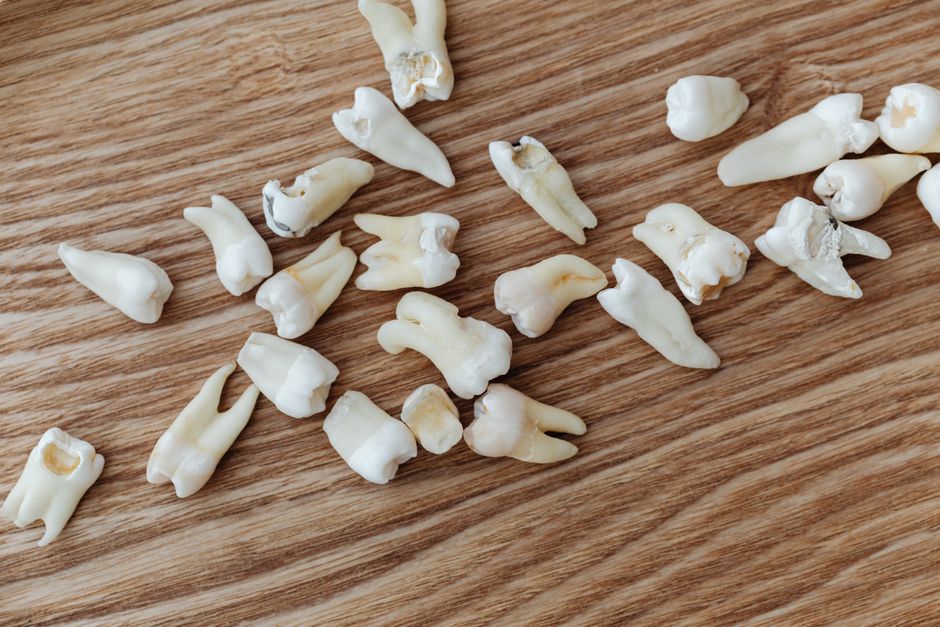
Tooth enamel is the hardest substance in the human body, but it is not living tissue. Once it is lost, your body cannot grow it back. However, you can restore minerals to enamel that has weakened but not yet broken away. This process is called remineralization. It strengthens the enamel surface and can reverse the earliest stages of tooth decay before a cavity actually forms. You cannot regrow enamel, but you can rebuild its mineral content and stop the damage from progressing.
What Does Remineralization Actually Mean?
Your teeth are in a constant state of change. Minerals leave your enamel and re-enter it all day long. When acids from food, drinks, or bacteria attack your teeth, minerals like calcium and phosphate are pulled out of the enamel. This is called demineralization.
When the acid level in your mouth returns to normal, your saliva works to push those minerals back into the enamel. This is remineralization. The battle between these two processes never stops. Cavities form only when demineralization outpaces remineralization for a long period.
Think of enamel like a sidewalk made of tightly packed mineral crystals. Acid dissolves the glue between those crystals, creating tiny microscopic pores. Remineralization fills those pores back in with fresh minerals. If the process goes too far and the structure collapses, you get a cavity that requires a filling. But before that collapse happens, the damage is reversible.
Fluoride Is Still the Most Proven Tool
Fluoride is not a marketing gimmick. It is the most extensively studied intervention for tooth decay in dental history. Fluoride works in three ways. It makes enamel more resistant to acid attacks. It promotes the uptake of calcium and phosphate into the enamel surface. And it disrupts the ability of bacteria to produce acid in the first place.
Research consistently shows that fluoride in toothpaste and community water supplies reduces cavities significantly. Most dentists agree that brushing twice daily with a fluoride toothpaste is the single most effective habit for remineralization.
There are different types of fluoride in toothpaste. Sodium fluoride is the most common. Stannous fluoride also offers antibacterial benefits. Both are effective. The concentration matters more than the type. Standard adult toothpaste contains about 1,000 to 1,500 parts per million fluoride. Prescription toothpaste contains up to 5,000 ppm and is reserved for people at high risk of cavities.
How To Restore Teeth Naturally And Remineralize Enamel With Diet
Your saliva is the delivery system for minerals. It carries calcium, phosphate, and other ions to the tooth surface. You cannot remineralize teeth without a steady supply of these building blocks in your diet.
Dairy products like milk, cheese, and yogurt are rich in calcium and phosphate. Leafy greens, almonds, and fortified plant milks also provide calcium. Your body needs vitamin D to absorb calcium effectively, so adequate sun exposure or dietary sources matter too.
Phosphate is less well known but equally important. It is found in eggs, fish, meat, and nuts. A diet that is severely deficient in these minerals will weaken your teeth regardless of how carefully you brush.
One non-obvious insight: the order you eat foods matters. If you consume something acidic, like citrus or soda, your enamel softens temporarily. Chewing sugar-free gum after the meal stimulates saliva, which neutralizes acid and speeds up mineral redeposition. Waiting about 30 minutes before brushing gives the enamel time to reharden. Brushing immediately after an acid attack actually scrubs away softened enamel.



What About Hydroxyapatite Toothpaste?
Hydroxyapatite is the exact mineral your enamel is made of. It is a calcium phosphate compound that makes up roughly 95 percent of the enamel structure. Toothpaste containing hydroxyapatite puts that mineral directly onto the tooth surface.
Some research suggests hydroxyapatite toothpaste can remineralize early decay as effectively as fluoride toothpaste. It is widely used in Japan and has gained popularity in Western markets as a fluoride-free alternative. The evidence is promising but not as extensive as the fluoride research base.
Hydroxyapatite offers one clear advantage: it is safe to swallow, making it suitable for young children who cannot spit reliably. It also does not carry the small risk of dental fluorosis that fluoride does in young children.
If you choose hydroxyapatite, check the concentration. Clinical studies have used concentrations around 10 percent. Lower concentrations may not deliver enough mineral to make a meaningful difference. No large human trials have confirmed that all hydroxyapatite products on the market are equally effective. The evidence is mixed on whether nano-hydroxyapatite particles penetrate deeper than standard hydroxyapatite.
Xylitol and Other Natural Remineralizing Agents
Xylitol is a natural sweetener that bacteria cannot use to produce acid. When you chew gum or eat mints sweetened with xylitol, the bacteria in your mouth cannot ferment it. This reduces acid production and shifts the environment in favor of remineralization.
Some studies indicate that regular xylitol use reduces cavity risk. The effect is real but modest. Xylitol does not add minerals to your teeth. It simply prevents the acid attack that would otherwise strip minerals away. It is a supporting player, not a primary treatment.
Other natural agents appear in the market with claims of remineralization. Amla extract, licorice root, and various herbal compounds have been studied in small trials. None have accumulated the evidence base that fluoride or hydroxyapatite has. No clinical evidence currently confirms that these herbal ingredients remineralize enamel to a clinically meaningful degree.
Be skeptical of charcoal toothpaste. Charcoal is abrasive and can actually wear away enamel over time. It has not been shown to remineralize teeth. Some dentists warn that charcoal toothpaste removes the outer stained layer of enamel, making teeth appear whiter temporarily while actually thinning the protective surface.
Oil Pulling Does Not Remineralize Teeth
Oil pulling is an ancient Ayurvedic practice where you swish oil, typically coconut oil, in your mouth for 15 to 20 minutes. Proponents claim it removes toxins and whitens teeth. Some claim it remineralizes enamel.
The evidence does not support these claims. Oil pulling may reduce bacteria in the mouth by physically trapping them in the oil. It may reduce plaque and improve gum health in some people. But oil does not contain calcium, phosphate, or fluoride. It cannot deposit minerals into enamel.
Swishing any liquid in your mouth for 20 minutes will stimulate saliva production. That saliva carries minerals. So oil pulling might have an indirect effect on oral health. But it is not a remineralizing agent. It should never replace brushing with fluoride or hydroxyapatite toothpaste.
When Natural Remineralization Is Not Enough
Remineralization only works on the earliest stage of decay — the white spot lesion. These are chalky white areas on the tooth surface where minerals have been lost but the enamel structure remains intact. If the enamel surface has actually broken, forming a visible hole, remineralization cannot repair it.
Once a cavity forms, the damage is permanent. The decayed area must be removed and filled by a dentist. No diet, toothpaste, or natural remedy can regrow that lost enamel structure. Anyone claiming otherwise is selling something.
Certain conditions make remineralization harder. Dry mouth, whether from medications, aging, or medical conditions, reduces the saliva that delivers minerals to teeth. Acid reflux bathes teeth in stomach acid that overwhelms natural defenses. Frequent snacking keeps the mouth in an acidic state all day. Each of these situations requires addressing the underlying cause before remineralization can succeed.
Your dentist can apply professional fluoride varnish that delivers a much higher concentration of fluoride than any toothpaste. This is a clinical treatment, not a natural remedy, but it is the most effective remineralization tool available.
Practical Steps for Remineralization
- Brush twice daily with a fluoride or hydroxyapatite toothpaste. Spit but do not rinse afterward so the minerals stay on your teeth.
- Wait 30 minutes after eating acidic foods before brushing.
- Chew sugar-free gum after meals to stimulate saliva flow.
- Limit sugary and acidic drinks to mealtimes rather than sipping throughout the day.
- Eat calcium and phosphate rich foods daily.
- See your dentist regularly so early decay is caught while it is still reversible.
Remineralization is a real biological process, but it has limits. You cannot regrow enamel once it is gone. You can strengthen weakened enamel and reverse the earliest stages of decay. The tools that work are fluoride, hydroxyapatite, saliva stimulation, and a mineral-rich diet. The tools that do not work are charcoal, oil pulling, and any product claiming to regrow lost tooth structure.
Frequently Asked Questions
Can cavities reverse naturally without a dentist?
Only cavities in the earliest stage, appearing as white spots without a hole, can reverse through remineralization. Once the enamel surface breaks, a filling is required.
How long does it take to remineralize teeth?
Early white spot lesions can show improvement within weeks to a few months of consistent care. The timeline varies based on the severity of demineralization and your oral hygiene habits.
Is fluoride necessary for remineralization?
Fluoride is the most proven remineralizing agent, but hydroxyapatite toothpaste offers an evidence-based alternative. Both work by different mechanisms to deposit minerals into weakened enamel.
Does coconut oil pulling remineralize teeth?
Oil pulling does not deposit minerals into enamel and has not been shown to remineralize teeth. It may reduce bacteria in the mouth, but it should not replace toothpaste.
