
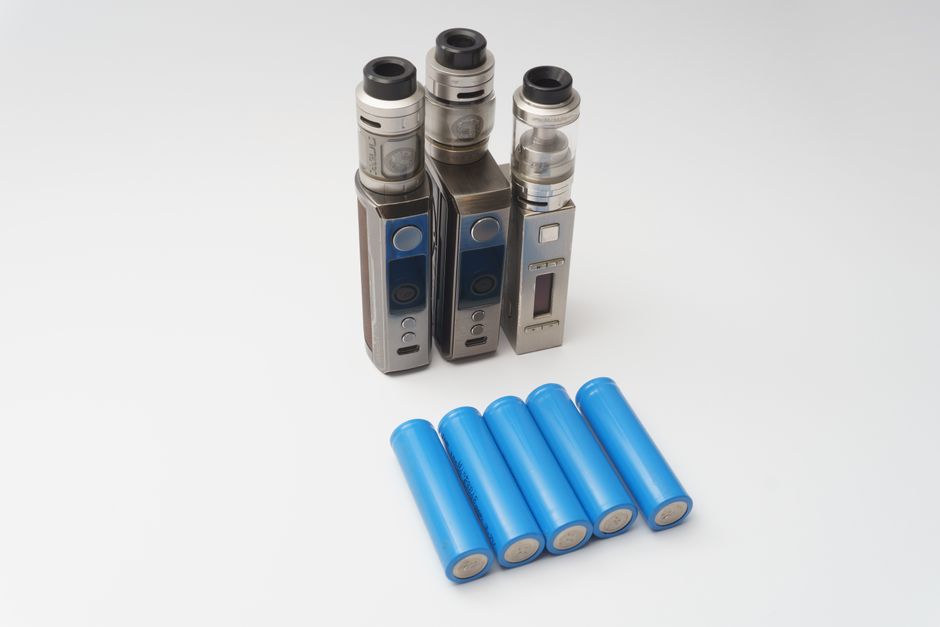
An 18650 battery is a rechargeable lithium-ion cell about the size of a AA battery. It shows up in vapes, flashlights, power banks, laptop packs, and some cordless tools. When one stops taking a charge, people often search for a way to “reset” it or bring dead cells back to life. Here is the honest answer: there is no standard, safe, or reliable method to revive a genuinely dead 18650 cell. A battery that reads near zero volts is usually chemically damaged, not just asleep. The protection circuit on a protected cell can sometimes be reset, but that is a different thing from reviving the cell itself.
What does “dead” actually mean for an 18650 battery?
Dead is not one condition. It is several, and they have very different outcomes.
A cell that has been sitting in a drawer for months may have discharged slowly through its own internal resistance. This is called self-discharge. A protected cell may also have tripped its protection circuit, which cuts off output when voltage drops too low. In both cases the cell may still hold usable capacity.
A different situation is a cell that has been over-discharged below its safe minimum. Lithium-ion cells generally should not be discharged below about 2.5 volts, and many protection circuits cut off around that point. If a cell sits below roughly 2.0 volts for a long period, the internal chemistry changes. Copper from the current collector can dissolve into the electrolyte. When the cell is later charged, that copper can plate back in the wrong place and form internal shorts.
A third situation is a cell that has reached the end of its cycle life. Every lithium-ion cell has a finite number of charge cycles before capacity fades. No reset brings that capacity back. The chemistry is spent.
Only the first situation — a low-voltage cell that has not been sitting depleted for long — has any realistic chance of recovery. The other two do not.
Can a protection circuit be reset on an 18650?
Yes, but only the circuit, not the cell. This distinction matters and is often blurred online.
Many 18650 cells sold for consumer use are “protected.” A small circuit board sits at the negative end. It watches for overcharge, over-discharge, and short circuits. When it detects a problem, it opens the circuit and stops current flow. The cell underneath may be perfectly fine.
Some protection boards reset automatically once the load is removed and the cell voltage rises. Others latch off permanently and will not reset without external equipment. A few cells use a resettable fuse or a one-time fuse that cannot be restored.
If you have a protected cell that reads zero volts at the terminals but the cell underneath is healthy, removing and reattaching it to a proper charger can sometimes restore normal operation. That is a circuit reset. It is not a revival of a dead cell.
Why do people say you can “jump start” a dead 18650?
The idea comes from a real practice in battery workshops. A technician may briefly apply a small charging current to a deeply discharged cell to lift it above the threshold where a normal charger will recognize it. This is sometimes called “waking” or “pre-charging” a cell.
It works on some low-voltage cells. It is also the single most common way people damage cells or start fires.
The problem is that you cannot tell from the outside whether a low-voltage cell is merely sleepy or already internally damaged. Copper plating and internal shorts do not announce themselves. A cell that accepts a jump start and appears to charge normally can still fail later, sometimes violently.
No major battery manufacturer recommends this for consumer cells. No safety standard endorses it. It is a workshop technique performed with test equipment, current limits, temperature monitoring, and a plan for what to do if the cell vents.
What are the real risks of trying to revive a dead 18650?
Lithium-ion cells store a lot of energy in a small space. When they fail, they fail hard.
- Thermal runaway. An internal short can heat the cell until the electrolyte breaks down and the cell vents hot gas and flame. This can spread to nearby cells.
- Venting. The cell releases flammable and toxic gases under pressure. In a sealed device this can rupture the casing.
- Fire that resists normal methods. Lithium battery fires react badly to water in some situations and can reignite hours after appearing out.
- Delayed failure. A cell that seems fine after a jump start can fail days or weeks later, often while charging unattended.
The pattern that worries battery researchers most is a cell that was over-discharged and then recharged. That sequence is associated with internal short formation. It is not a hypothetical risk.
Is it ever worth trying to revive an 18650?
For a cell that costs a few dollars, the calculation is simple. Replacing it is cheap. A fire is not.
There are narrow cases where a professional with proper equipment might evaluate a low-voltage cell. That work happens with a current-limited power supply, temperature monitoring, and an understanding of the specific cell’s datasheet. It is not a home project.
For most people, the practical answer is this: if an 18650 will not charge in a known-good charger, and it reads well below its rated minimum voltage, treat it as spent. Recycle it. Do not jump start it. Do not put it in a device and hope.
One clarification worth knowing: a cell that simply will not hold charge is not the same as a cell that reads zero volts. A cell that charges but drains quickly has lost capacity. That is aging, not damage. It is also not fixable, but it is not dangerous in the same way.
How should you store and care for 18650 cells to avoid this problem?
Most dead 18650 cells got that way through neglect, not through any single event.
Store cells at a partial charge, not full and not empty. Manufacturers typically ship cells at around 30 to 50 percent charge for this reason. Long-term storage at full charge accelerates capacity loss. Long-term storage at zero charge risks over-discharge damage.
Keep cells cool and dry. Heat accelerates every aging process inside a lithium-ion cell. A hot car is a bad place for spare cells.
Never store loose cells where the terminals can touch metal. A short circuit across a bare 18650 can deliver enough current to heat the cell rapidly. Plastic cases exist for this reason and cost very little.
Use a charger designed for the specific cell chemistry. A charger that is too aggressive or that lacks proper cutoff can damage cells over time.
Check voltage periodically if cells sit unused for months. A cell that has drifted low can sometimes be recovered with a normal charge if caught early. A cell that has been low for a year usually cannot.
What should you do with a dead 18650?
Recycle it. Do not throw it in household trash.
Lithium-ion cells are classified as hazardous waste in most US states. Many hardware stores, electronics retailers, and municipal recycling centers accept them. Some require that the terminals be taped over to prevent shorts during transport.
If a cell is swollen, hot, or has a strange smell, do not handle it more than necessary. Place it away from anything flammable, ideally outside or in a fire-resistant container, and contact your local hazardous waste facility for guidance. Do not attempt to discharge it further.
How To Reset An 18650 Battery Revive Dead Cells — the bottom line
There is no safe, reliable, evidence-based method to revive a genuinely dead 18650 cell. A protection circuit can sometimes be reset, and a deeply discharged but undamaged cell may recover with a normal charge. Beyond that, the cell is spent, and attempts to force it back to life carry real fire and injury risk.
The honest position is that the phrase “reset an 18650 battery” describes something that mostly does not exist for consumers. The safe move is replacement and recycling.
Frequently Asked Questions
Can a dead 18650 battery be revived?
Only in limited cases, such as a cell that was stored at low voltage for a short time or a protected cell whose circuit tripped. A cell that has been over-discharged for a long period or has reached the end of its cycle life cannot be revived.
What voltage is considered dead for an 18650?
Lithium-ion cells should not be discharged below about 2.5 volts, and many protection circuits cut off around that point. A cell resting below roughly 2.0 volts for an extended period is generally considered damaged and unsafe to recharge.
Can I jump start an 18650 with another battery?
No manufacturer recommends this for consumer cells, and it is a common cause of cell damage and fire. You cannot tell from the outside whether a low-voltage cell is safe or already has internal damage.
How do I dispose of a dead 18650 battery?
Take it to a lithium-ion battery recycling drop-off, such as a hardware store, electronics retailer, or municipal hazardous waste facility. Do not put it in household trash, and tape the terminals if your recycler requires it.
