
Menstrual bleeding is the most common cause of iron deficiency in people who menstruate. You replenish iron by eating iron-rich foods — heme iron from meat absorbs best — pairing plant iron with vitamin C, and taking an iron supplement when diet alone is not enough. A blood test should guide whether you need one.
That is the short answer. The longer answer involves understanding why period blood loss depletes iron stores in the first place, which foods actually move the needle, and when a supplement is genuinely needed versus when it is just marketing noise. The two paths — food and supplements — work together, but they are not interchangeable.
Why does your period cause low iron in the first place?
Iron is lost when you bleed, and menstrual blood contains iron that your body cannot easily replace. This is the core mechanism and it is well established.
Your body recycles most of its iron. Red blood cells are broken down and the iron is captured and reused. But blood that leaves the body takes its iron with it. There is no recycling route for that. The only ways to replace it are absorption from food or from a supplement.
Roughly 1 mg of iron is lost per day in normal menstrual bleeding, though this varies widely. People with heavy menstrual bleeding lose substantially more. The clinical definition of heavy bleeding is blood loss greater than 80 mL per cycle, or bleeding that lasts longer than 7 days. If your periods regularly soak through a pad or tampon every hour, or you pass clots larger than a quarter, that pattern is worth discussing with a clinician.
Iron stores are measured by ferritin, a blood protein that reflects how much iron is held in reserve. A ferritin level below 30 ng/mL generally indicates depleted iron stores, even before anemia develops. Iron deficiency without anemia — low ferritin but normal hemoglobin — is common in menstruating people and can cause fatigue and poor exercise tolerance on its own.
Which foods actually help you replenish iron during your period?
Food comes first because it is the most sustainable way to support iron levels, but not all iron is absorbed equally. This distinction matters more than any single food choice.
There are two types of dietary iron. Heme iron comes from animal sources — red meat, poultry, fish — and is absorbed efficiently, at roughly 15 to 35 percent of what you eat. Non-heme iron comes from plants — lentils, beans, spinach, fortified cereals — and is absorbed at closer to 2 to 20 percent, depending on what else is on your plate.
That wide absorption range for plant iron is why food pairing matters. Vitamin C strongly enhances non-heme iron absorption. Eating beans with tomatoes, or spinach with citrus, or lentils with red pepper, measurably increases how much iron you actually absorb. This is one of the more practical nutrition findings and it is well supported.
On the other side, certain compounds block absorption. Tannins in tea and coffee, phytates in whole grains and legumes, and calcium all reduce iron uptake when consumed at the same meal. This does not mean avoiding these foods — it means timing matters. Drinking coffee or tea between meals rather than with them is a simple adjustment.
Here is a comparison of common iron sources and their approximate iron content, based on USDA nutritional data:
| Food (per serving) | Iron content | Type |
|---|---|---|
| Beef liver, 3 oz cooked | ~5 mg | Heme |
| Lean beef, 3 oz cooked | ~2 mg | Heme |
| Lentils, 1 cup cooked | ~6.6 mg | Non-heme |
| Spinach, 1 cup cooked | ~6.4 mg | Non-heme |
| Fortified cereal, 1 cup | varies (often 4–18 mg) | Non-heme |
| Chickpeas, 1 cup cooked | ~4.7 mg | Non-heme |
A non-obvious point: the iron number on a label is not the iron your body gets. A cup of lentils lists more iron than a serving of beef, but the beef iron is absorbed far more efficiently. Both belong in your diet. The plant sources simply need vitamin C alongside them to close the gap.
When should you take an iron supplement instead of relying on food?
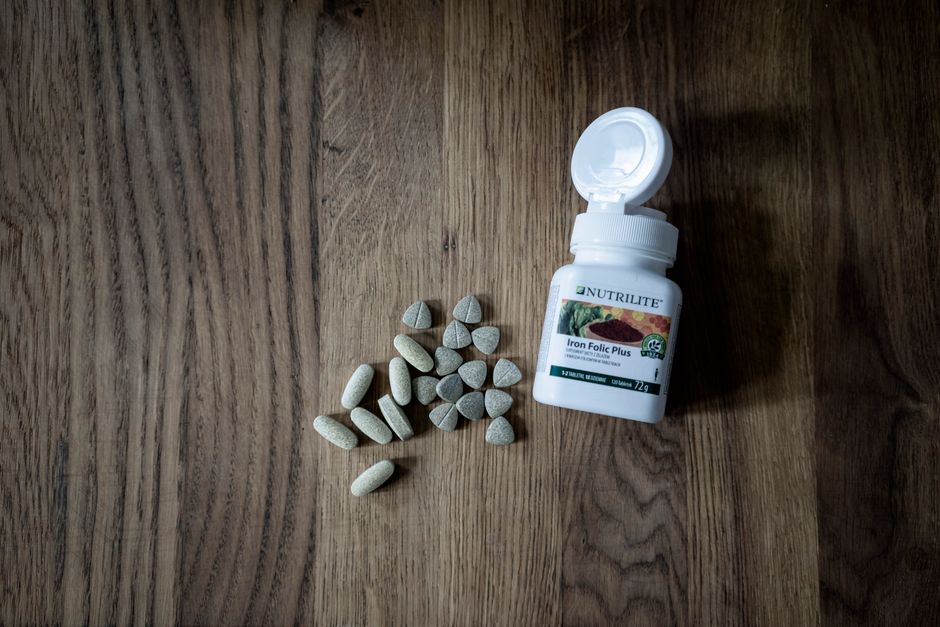
An iron supplement is appropriate when diet alone cannot keep up with your losses — most clearly when a blood test shows low ferritin or iron deficiency anemia. It is not something to start blindly.
Food-based iron replacement is slow and often insufficient for someone with heavy periods and depleted stores. The gap between what you lose and what you can absorb from food can be large. This is where supplements have a real role, and the evidence for treating diagnosed iron deficiency with oral iron is strong.
But the key word is diagnosed. Taking iron without a test is a common mistake. Iron supplements are not harmless when you do not need them. Excess iron is not easily excreted by the body, and unnecessary supplementation can cause constipation, nausea, and in rare cases more serious problems. If you suspect low iron, ask for a ferritin and complete blood count test rather than guessing.
Some clinicians recommend a trial of oral iron for people with heavy menstrual bleeding and symptoms of fatigue even before severe anemia develops, since iron deficiency without anemia is underrecognized. That is common clinical practice, though practice varies. It is not a substitute for testing.
How should you take an iron supplement for best absorption?
How you take an iron supplement changes how much you absorb, and the difference can be substantial. These are established points in clinical guidance.
- Take it on an empty stomach when possible — about an hour before a meal or two hours after — because food reduces absorption.
- Take it with vitamin C (a glass of orange juice, for example) to enhance uptake.
- Avoid taking it with tea, coffee, calcium supplements, or antacids, which block absorption.
- If it causes stomach upset, take it with a small amount of food — you lose some absorption but gain consistency, which matters more than a perfect single dose.
Different forms of iron exist — ferrous sulfate, ferrous gluconate, ferrous fumarate, and others — and they differ in elemental iron content and tolerability. Ferrous sulfate is the most studied and most commonly used. Some people tolerate gentler forms better, though they may contain less elemental iron per pill. A pharmacist or clinician can help match the form and dose to your needs.
Do not increase the dose on your own if your levels are not rising. Absorption has a ceiling, and more iron does not mean faster correction. Follow the dose your clinician recommends and retest as advised.
What about vitamin C, and can other nutrients help?
Vitamin C is the best-established dietary helper for iron absorption, and it works specifically on plant iron. It does little for heme iron, which is already well absorbed.
The effect is real but not unlimited. Adding vitamin C to a meal with plant iron improves absorption meaningfully; it does not turn a poor iron source into a rich one. Think of it as making good choices work better, not as a fix on its own.
Other nutrients matter for iron but do not replace it. Vitamin B12 and folate are needed for red blood cell production, and deficiency in either can cause anemia that looks similar to iron deficiency but requires different treatment. This is another reason a blood test matters — fatigue from low B12 will not respond to iron.
When should you see a clinician about period-related iron loss?
See a clinician if your periods are heavy, if you feel persistently tired, or if you have symptoms like unusual breathlessness, pale skin, dizziness, or a rapid heartbeat. These can signal anemia and deserve evaluation.
Heavy menstrual bleeding itself has treatable causes — fibroids, hormonal imbalances, bleeding disorders — and addressing the cause can reduce iron loss at the source rather than only replacing what is lost. Iron replacement treats the consequence; it does not fix heavy bleeding.
Iron deficiency is common and treatable, but it is also sometimes the first sign of a bleeding problem or a gastrointestinal issue, particularly in people over 50. That does not mean you should assume the worst. It means persistent or unexplained iron deficiency is worth investigating rather than simply supplementing indefinitely.
Frequently Asked Questions
How quickly can you raise iron levels during your period?
Oral iron typically begins raising hemoglobin within a few weeks, but rebuilding depleted ferritin stores can take several months of consistent intake. Your clinician will usually retest to confirm the response.
Can you replenish iron through diet alone?
Diet alone can maintain iron for some people, but it is often too slow for someone with heavy periods and low stores. Food is the foundation, and supplements are added when a blood test shows you need more.
Does drinking orange juice with iron help absorption?
Yes. Vitamin C enhances absorption of plant-based (non-heme) iron, so pairing citrus or other vitamin C sources with iron-rich plant foods increases how much iron you absorb.
Should you take iron every day during your period?
Follow the schedule your clinician recommends rather than dosing by your cycle on your own. Some people take iron daily, while others use intermittent dosing, and the right approach depends on your test results.
