
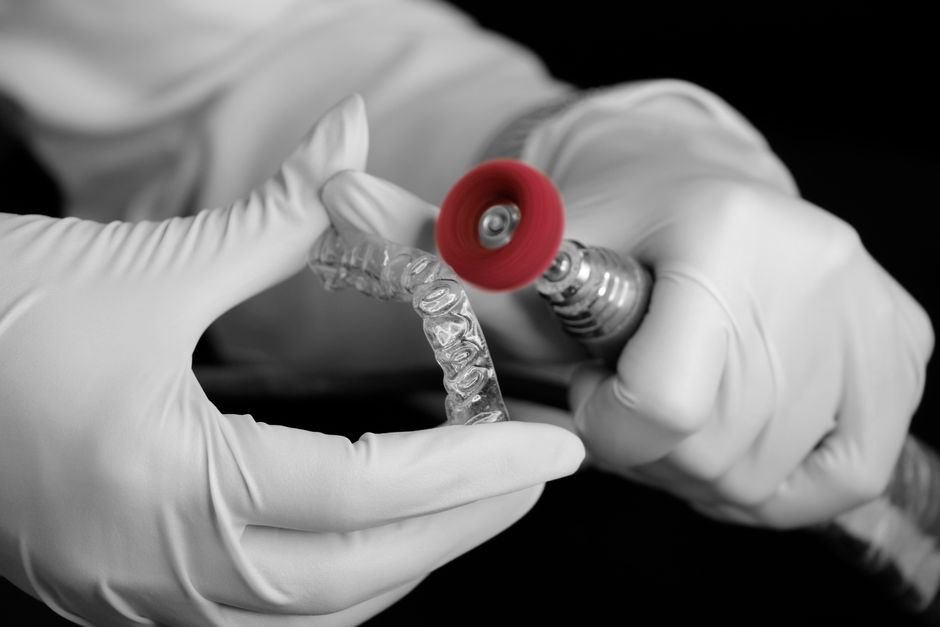
If your retainer is lost, cracked, or no longer fits, the first step is to call your orthodontist rather than wait. Most orthodontic offices can make a replacement from your existing records, and a new retainer typically costs between $100 and $500 depending on the type. The longer you go without one, the more your teeth can shift, so acting within days matters more than most people realize.
How To Replace Retainers Signs Steps And Costs
Replacing a retainer is usually a straightforward process, but the exact steps depend on whether you still have the original, whether your orthodontist has your records, and how long it has been since your braces came off.
Here is what the process generally looks like:
- Call your orthodontist as soon as you notice the problem. Tell them whether the retainer is lost, broken, or ill-fitting.
- If you have the broken pieces, bring them in. Some repairs are possible, especially for certain wire-and-acrylic retainers.
- If the retainer is lost and your orthodontist still has your original molds or digital scans, a new one can often be made without a fresh impression.
- If no records exist, you will need a new scan or impression, which means an office visit.
- Wear your backup retainer if you have one, or ask your orthodontist what to do in the meantime.
Cost varies widely by retainer type and by practice. Clear plastic retainers (often called Essix-style) tend to be less expensive than bonded wire retainers or retainers with metal frameworks. Some offices charge a flat replacement fee; others charge for the impression, the lab work, and the office visit separately. Insurance rarely covers replacement retainers, because most dental plans treat them as a replacement of a previously covered appliance rather than a new treatment.
A detail many people miss: the retainer you lost may not be the retainer you need. If your teeth have shifted since it was made, simply ordering an identical copy can lock in a position that no longer matches your bite. That is why most orthodontists want to see you before making a new one.
What Happens If You Do Not Replace a Retainer?
Teeth do not stay in place on their own after orthodontic treatment. The bone and gum tissue around them need time to stabilize, and even years later, teeth can drift.
This tendency is called relapse, and it is one of the most well-documented outcomes in orthodontics. Research consistently shows that without retainer wear, some degree of movement is expected in most patients. The amount varies from person to person and is difficult to predict.
The first signs are usually subtle. A retainer that used to slide on easily starts to feel tight. Flossing between certain teeth becomes harder. You might notice a small gap reopening or a front tooth looking slightly rotated.
If you ignore those signs for weeks or months, the shift can become harder to correct. In some cases, a new retainer can be made to fit the current position, but that means accepting the new alignment. In other cases, you may need a short round of orthodontic treatment to move teeth back before a retainer can be made.
That second scenario is the one people want to avoid, because it costs more and takes longer than simply replacing the retainer. This is the practical reason orthodontists push patients to call quickly rather than wait and see.
Signs Your Retainer Needs to Be Replaced
Not every retainer problem means a full replacement. Some can be repaired, and some fit issues resolve on their own. But certain signs point clearly toward needing a new one.
Watch for these:
- Cracks or breaks in the plastic or acrylic. A cracked retainer can no longer hold teeth in the right position and may irritate your gums.
- A loose wire on a wire-and-acrylic retainer. A bent or detached wire can poke your cheek or tongue and stops doing its job.
- A retainer that no longer fits or feels tight when it used to feel comfortable. This usually means teeth have shifted.
- Visible warping, often caused by heat. Hot water, a hot car, or a dishwasher can distort the plastic.
- Discoloration or a persistent smell that cleaning does not fix. This suggests buildup that can harbor bacteria.
- A retainer that falls out during sleep or while talking. If it will not stay seated, it is not holding anything.
One clarification worth making: a retainer that feels tight after you have skipped wearing it for a while is not necessarily a sign it needs replacing. Often it means you need to wear it more consistently, and the tightness eases within a few days. If it stays painful or will not seat fully, that is when you call your orthodontist.





How Much Does a Replacement Retainer Cost?
Cost depends on the type of retainer, your location, and your orthodontist’s pricing. The ranges below reflect typical US pricing, but they are not fixed and vary by practice.
| Retainer Type | Typical Replacement Cost | Notes |
|---|---|---|
| Clear plastic (Essix-style) | $100–$300 | Usually the least expensive option; often made in-office or by a lab |
| Wire and acrylic (Hawley) | $150–$400 | Requires lab work; repairs sometimes possible |
| Bonded wire (fixed) | $100–$400 | Cost depends on whether the wire needs re-bonding or full replacement |
| Full replacement with new scan | $200–$500+ | Higher end includes office visit, scan, and lab fees |
These figures are estimates based on common pricing reported by orthodontic practices. Your actual cost could fall outside these ranges. Ask your orthodontist for a written estimate before any work begins, including the cost of the impression or scan, the lab fee, and the office visit.
Dental insurance usually does not cover replacement retainers. Some plans include a lifetime retainer benefit or cover one replacement, but this varies. It is worth a quick call to your insurer to check before assuming you will pay the full amount out of pocket.
Can You Replace a Retainer Without Going Back to Your Orthodontist?
You can, but there are real limitations. Online retainer services and at-home impression kits exist, and some people use them successfully. The catch is that they typically require you to take your own impression or scan, and the result depends entirely on how accurate that impression is.
If your teeth have shifted since your last retainer was made, an at-home kit will capture the current position, not the position your orthodontist intended. That means you could end up with a retainer that fits but holds your teeth in the wrong place.
There is also no clinical exam. An orthodontist checking your retainer also checks your bite, your gums, and whether a wire has come loose. Those checks do not happen with a mail-order kit.
For a simple replacement when nothing has changed and you have recent records, some people find these services convenient and less expensive. For anything involving a shift, a broken wire, or an unclear fit, seeing your orthodontist is the safer path. The evidence on at-home retainers is limited, and no large studies have compared their long-term outcomes to in-office replacements.
How Long Can You Go Without a Retainer?
There is no universal safe window. Some people can go days without noticeable movement; others see changes within a week.
The risk is highest in the first year after braces come off, when the bone and ligaments around the teeth are still remodeling. After that, the risk does not disappear, but it tends to slow. Many orthodontists recommend wearing a retainer indefinitely, often just at night, because teeth can shift decades later.
If your retainer is lost or broken, the practical advice is to contact your orthodontist within a few days rather than wait. Do not assume that a week or two will not matter. For some people it will not. For others, it will.
If you have a backup retainer, wear it. If you do not, ask your orthodontist whether a temporary option makes sense while a new one is being made. Some offices can provide a temporary retainer or adjust your schedule to get you in sooner.
How to Care for a Retainer So It Lasts
Most replacements happen because of loss or damage, not because the retainer wore out on its own. A few habits extend the life of a retainer considerably.
- Keep it in its case when it is not in your mouth. Wrapping it in a napkin is how most retainers end up in the trash.
- Rinse it with cool water after removing it. Hot water can warp the plastic.
- Clean it gently with a soft toothbrush and mild soap, or use a retainer cleaning product. Avoid boiling water and dishwashers.
- Do not leave it in a hot car. Heat is one of the most common causes of warping.
- Bring it to your dental checkups so your dentist or orthodontist can look at it.
- If you play contact sports, ask about a mouthguard that fits over your retainer or a sports-specific option.
If you travel often, consider keeping a backup retainer. It is a small expense compared with the cost and hassle of an emergency replacement.
Frequently Asked Questions
How much does it cost to replace a retainer?
Most replacement retainers cost between $100 and $500, depending on the type and your orthodontist’s pricing. Clear plastic retainers tend to be at the lower end, while replacements that require a new scan and lab work cost more.
Can I replace my retainer without my orthodontist?
Yes, through at-home impression kits or online services, but the fit depends on how accurate your impression is. If your teeth have shifted, an at-home retainer can hold them in the wrong position, so an in-office visit is safer when anything has changed.
How long can I go without wearing my retainer?
There is no universal safe window, and the risk is highest in the first year after braces. Contact your orthodontist within a few days of losing or breaking a retainer rather than waiting to see if your teeth move.
Does dental insurance cover a replacement retainer?
Most dental plans do not cover replacement retainers, though some include a lifetime retainer benefit or cover one replacement. Call your insurer to confirm your specific coverage before assuming you will pay the full cost.
