
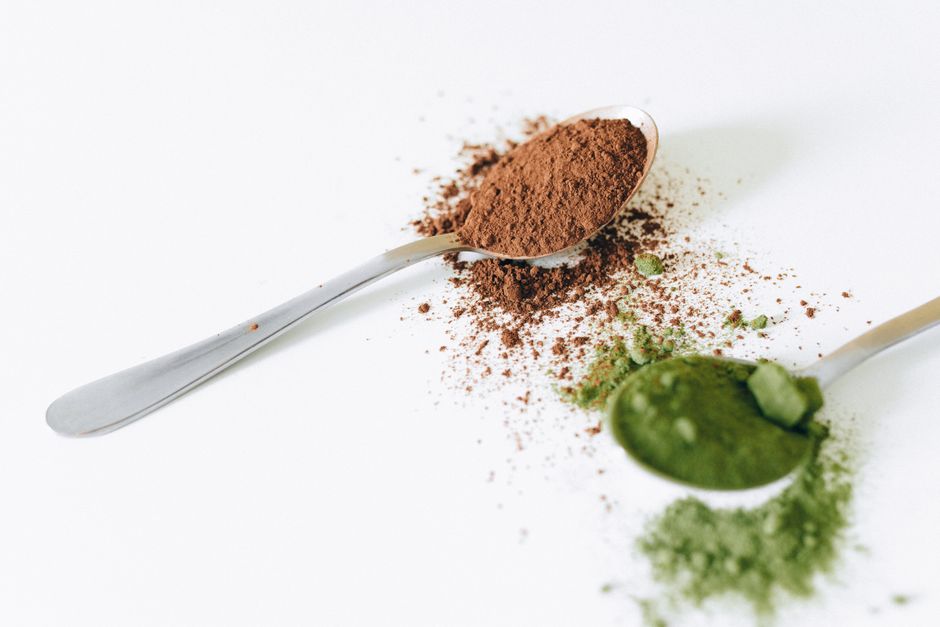
Cocoa powder gives baked goods their deep chocolate flavor, but running out mid-recipe does not mean you have to abandon the project. The best substitutes are unsweetened baking chocolate, carob powder, and Dutch-processed cocoa, depending on what you are making. Each swap changes the flavor, color, and texture of the final product, so the right choice depends on your recipe and what you have on hand.
What Does Cocoa Powder Actually Do in a Recipe?
Cocoa powder provides more than just flavor. It contributes color, structure, and a dry texture that affects how batters and doughs behave. Because it is a dry ingredient, it absorbs liquid and fat. Remove it without a plan and your batter will be thinner and wetter than intended.
Cocoa powder is the solid part of the cacao bean left after cocoa butter is pressed out. It contains almost no fat compared to chocolate bars. That distinction matters when you substitute. Swapping in melted chocolate adds fat that is not in the original recipe, which can change the crumb and rise of your baked goods.
Understanding this basic function helps you choose the right replacement. You are not just looking for chocolate flavor. You are looking for a dry ingredient that can mimic cocoa’s role in the structure of the recipe.
How To Replace Cocoa Powder Top Substitutes
There is no single perfect substitute for cocoa powder because every alternative changes the recipe in some way. The best approach is to match the substitute to the recipe type. Here are the most reliable options ranked by how closely they mimic cocoa powder’s behavior.
Unsweetened baking chocolate is the closest flavor match. It contains cocoa solids plus cocoa butter, so it delivers the same chocolate taste but adds fat. For every 3 tablespoons of cocoa powder, use 1 ounce of unsweetened baking chocolate. Reduce the fat in your recipe by 1 tablespoon to account for the added cocoa butter. Melt the chocolate before adding it to your batter.
Carob powder looks similar to cocoa powder and swaps at a 1:1 ratio by volume. It is naturally sweeter than cocoa and has a different flavor profile. Carob does not contain caffeine or theobromine, which matters for people sensitive to those compounds. The flavor is often described as milder and slightly nutty, not a true chocolate taste.
Dutch-processed cocoa is not a true substitute because it is still cocoa powder. It is treated with alkali to neutralize its natural acidity. If your recipe calls for natural cocoa powder and baking soda, Dutch-processed cocoa will not react the same way. The leavening depends on the acid in the cocoa. Use Dutch-processed cocoa only in recipes that call for baking powder or when the recipe specifically allows for it.
Cacao powder is raw, unroasted cocoa powder. It is more bitter and absorbs more liquid than regular cocoa powder. You can use it as a swap but expect a more intense, less sweet result. You may need to add a little extra liquid to keep the batter from becoming too stiff.
How To Adjust a Recipe When Using Melted Chocolate
Using melted chocolate as a cocoa substitute requires more than a simple ratio. You must account for the fat and sugar differences. Unsweetened baking chocolate contains no sugar, which makes it the best chocolate-based option. Semisweet or dark chocolate contains sugar, so you must reduce the sugar elsewhere in the recipe.
For semisweet chocolate, use 1 ounce for every 3 tablespoons of cocoa powder, then reduce the recipe’s sugar by about 1 tablespoon. The fat adjustment stays the same. Reduce the butter or oil by 1 tablespoon per ounce of chocolate used.
This swap works well for brownies, cakes, and dense cookies. It is less reliable for delicate recipes like soufflés or sponge cakes where the dry texture of cocoa powder helps stabilize the structure. In those cases, the added fat can deflate the batter or prevent proper rising.
What About Instant Hot Chocolate Mix or Chocolate Syrup?
Instant hot chocolate mix is not a good substitute for baking. It contains mostly sugar, milk powder, and flavorings. The cocoa content is very low. Using it means adding significant sugar and dairy that your recipe does not account for, which changes the liquid balance and sweetness dramatically.
Chocolate syrup is worse for baking. It is a liquid, and cocoa powder is a dry ingredient. Adding syrup introduces water and sugar while removing structure. Your baked goods will be overly sweet, wet, and may not bake through properly.
If you have no other option, you can use hot chocolate mix in a pinch for recipes where the exact texture is not critical, like a simple frosting or a mug cake. Expect a much sweeter and less chocolatey result. Do not use it in recipes where cocoa powder is a primary structural ingredient.
How Do Natural and Dutch-Processed Cocoa Differ?
Natural cocoa powder is acidic with a pH around 5 to 6. Dutch-processed cocoa has been treated with an alkalizing agent, raising its pH to around 7. This difference matters for leavening. Baking soda needs an acid to react and produce carbon dioxide gas. Natural cocoa provides that acid. Dutch-processed cocoa does not.
If a recipe calls for natural cocoa and baking soda, you cannot simply swap in Dutch-processed cocoa. Your baked goods will not rise properly and may turn out dense and flat. If a recipe calls for Dutch-processed cocoa and baking powder, swapping in natural cocoa can make the final product taste slightly bitter or react unpredictably.
Most American grocery store cocoa powder is natural. Dutch-processed cocoa is usually labeled clearly. Check the ingredient list. If it lists potassium carbonate or sodium bicarbonate as an added ingredient, it is Dutch-processed.
This distinction is one of the most common sources of baking failure. People assume all cocoa powder is interchangeable. It is not. The pH difference changes the chemistry of your entire recipe.
What Is the Best Substitute for Different Types of Recipes?
Different recipes tolerate different substitutes. Here is a practical breakdown of which swap works best for common baking projects.
- Brownies and dense cakes: Unsweetened baking chocolate is the best choice. The added fat improves fudginess and the flavor is nearly identical.
- Cookies: Carob powder works well because cookies are forgiving. The milder flavor blends with butter and sugar. Use a 1:1 swap.
- Sponge cakes and delicate batters: No substitute works perfectly. The dry, low-fat nature of cocoa powder is essential for structure. If you must substitute, use cacao powder sifted multiple times to keep it as light as possible.
- Frostings and sauces: Carob powder or cacao powder both work. Since these recipes do not rely on leavening, the pH difference does not matter.
- Recipes using baking soda as the only leavener: Do not use Dutch-processed cocoa. Stick with natural cocoa, carob, or melted unsweetened chocolate.
The most important rule is to match the substitute to the recipe structure, not just the flavor. A brownie can handle extra fat. A chiffon cake cannot.
Can You Just Omit Cocoa Powder Entirely?
You can omit cocoa powder, but you are no longer making a chocolate recipe. If you remove the cocoa from a chocolate cake, you are making a vanilla or yellow cake with a different texture. The cocoa powder contributed dry matter that affected the batter ratio. Simply leaving it out creates a thinner batter that bakes faster.
If you choose to omit cocoa powder, you must adjust the other dry ingredients. Adding an equal volume of all-purpose flour can help maintain structure. Expect the flavor to be completely different. This approach only makes sense if you are intentionally changing the recipe from chocolate to something else.
Do not omit cocoa powder and hope the recipe still tastes chocolatey. It will not. There is no ingredient in a standard pantry that provides chocolate flavor without some form of cocoa solids.
Does the Substitute Change the Caffeine Content?
Yes. Cocoa powder naturally contains caffeine and theobromine. If you are sensitive to stimulants or avoiding caffeine for medical reasons, this matters. Carob powder contains neither compound. It is the only true cocoa substitute that is naturally caffeine-free.
Unsweetened baking chocolate contains the same caffeine as the cocoa powder it came from. The amount depends on the specific chocolate, but it is not caffeine-free. Cacao powder also contains caffeine. If you are avoiding caffeine, carob is your only option among the common substitutes.
People with chocolate allergies or sensitivities may also react to baking chocolate and cacao powder. Carob is botanically unrelated to chocolate, so it is often tolerated by people who cannot eat cocoa. If you have a diagnosed chocolate allergy, talk to your doctor before trying any cocoa substitute other than carob.
Frequently Asked Questions
Can I use chocolate chips instead of cocoa powder?
Yes, but only if you melt them first and adjust the fat and sugar in your recipe. Use 1 ounce of melted unsweetened chocolate for every 3 tablespoons of cocoa powder, and reduce the fat by 1 tablespoon.
Is carob powder a healthy substitute for cocoa powder?
Carob is naturally caffeine-free and contains no theobromine, which makes it a better choice for people avoiding stimulants. It is also naturally sweeter, so you may need less added sugar in your recipe.
What happens if I use Dutch-processed cocoa when the recipe calls for natural cocoa?
Your baked goods may not rise properly because Dutch-processed cocoa lacks the acid needed to react with baking soda. The result is often dense and flat. Check your recipe’s leavening agent before making this swap.
Can I substitute cocoa powder with protein powder?
Protein powder is not a suitable substitute because it does not provide chocolate flavor and behaves completely differently in baking. Use it only if you are intentionally making a non-chocolate protein-based recipe.
Cocoa powder is hard to replace perfectly because it does two jobs at once. It flavors and it structures. The best substitutes address both roles. For most baking, unsweetened baking chocolate is the closest match. For caffeine-free needs, carob is the only real option. Match the substitute to the recipe, adjust the fat and sugar, and your baked goods will come out close to the original.
