
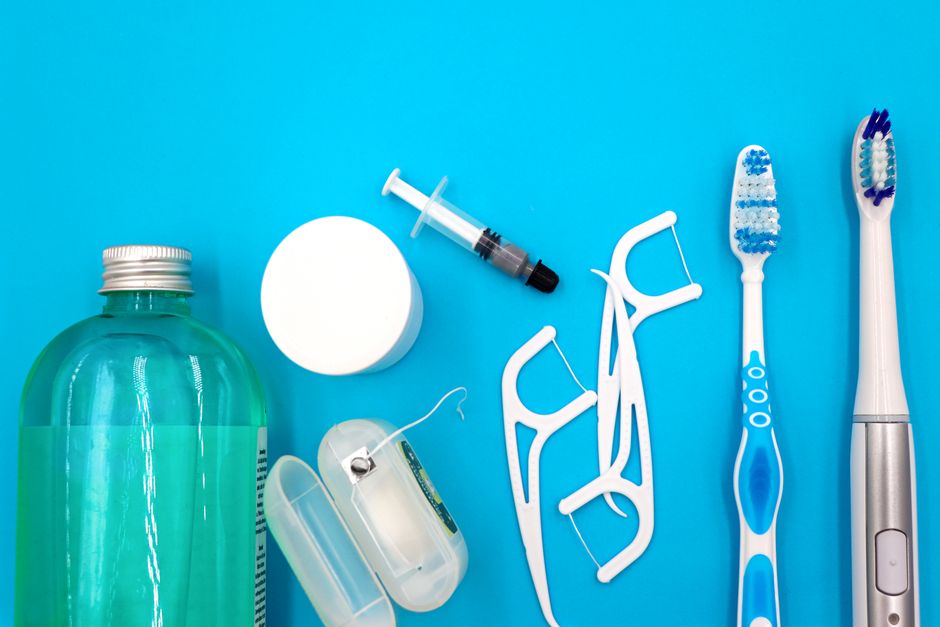
You cannot remove tooth decay yourself. Decay is permanent damage to the hard tissue of the tooth, and no home remedy, oil, paste, or supplement can regrow what has been destroyed. What you can do is stop decay from getting worse, manage early-stage damage under a dentist’s care, and prevent new cavities from forming. Anyone who tells you otherwise is selling something.
What Is Tooth Decay, Exactly?
Tooth decay is a disease process, not a stain or a surface problem. It happens when bacteria in the mouth ferment sugars from food and produce acid. That acid drops the pH around the tooth surface and dissolves minerals from the enamel.
Enamel is the hardest tissue in the human body, but it is not indestructible. Repeated acid attacks thin it over time. Once the acid dissolves through the enamel and reaches the softer dentin underneath, the process speeds up. Dentin is much less mineralized and decays far more quickly.
The key distinction is between two stages:
- Demineralization without a cavity. The enamel has lost minerals but the surface is still intact. This can sometimes be reversed.
- Cavitation. A physical hole has formed. This cannot be reversed by anything you do at home.
That difference matters enormously, and it is where most online advice goes wrong. Tips that help with the first stage are useless — and potentially harmful — once a cavity exists.
Can You Reverse Tooth Decay at Home?
Early demineralization can be stopped and partially repaired, but only under specific conditions and only before a hole forms. This is called remineralization, and it is a real, well-documented process.
Remineralization works when minerals — primarily calcium and phosphate — from saliva and fluoride are deposited back into the enamel. Saliva is the body’s main defense here. It buffers acid, washes away food, and delivers minerals to the tooth surface.
What supports remineralization:
- Fluoride from toothpaste. This is the single most evidence-supported measure for preventing and arresting early decay. Fluoride does not just harden enamel; it also interferes with the bacteria that produce acid.
- Reducing how often sugar and acid hit the teeth. Frequency matters more than total amount. Sipping a sweet drink all afternoon is worse for teeth than eating a dessert in one sitting.
- Good saliva flow. Dry mouth is a major risk factor for decay because saliva cannot do its job. Medications, mouth breathing, and some medical conditions reduce saliva.
What has no reliable evidence behind it: oil pulling, activated charcoal, baking soda scrubs, and “natural” tooth powders. Some of these are abrasive and can wear away enamel, which makes the problem worse. No clinical evidence currently confirms that any of them remove or reverse decay.
How To Remove Tooth Decay Yourself: What You Can and Cannot Do
This is the part most articles avoid. You cannot remove decay from a tooth at home, but you can take steps that genuinely change the course of the disease.
What you can do:
- Brush twice daily with a fluoride toothpaste. This is the foundation of everything else.
- Clean between teeth once a day. Decay commonly starts between teeth, where a brush cannot reach.
- Cut down on how often you consume sugar and acidic drinks.
- See a dentist for an exam. Early decay is often painless and invisible in a mirror.
- Ask about fluoride varnish or sealants if you are at higher risk.
What you cannot do:
- Fill a cavity.
- Regrow enamel that has been lost to a hole.
- Kill the decay process in dentin with a rinse or paste.
- Diagnose your own decay reliably. Early cavities can look like a faint white or brown spot, and so can stains that are not decay at all.
There is one clarification worth making. Many people assume a dark spot means decay and a white spot means it does not. In reality, early decay often appears as a chalky white area, while some brown stains are harmless. Only a clinical exam — sometimes with X-rays — can tell them apart. Guessing from a mirror is unreliable.
What Happens If You Leave Decay Untreated?
Decay does not stop on its own once a cavity forms. It progresses. The bacteria move through enamel into dentin, and from there toward the pulp — the inner chamber that holds the tooth’s nerve and blood supply.
When decay reaches the pulp, the result is usually pain and infection. At that point, the treatment is no longer a simple filling. It may require a root canal or, in severe cases, extraction. In rare situations, untreated dental infection can spread beyond the tooth into the face and neck, which is a medical emergency.
This is why the “wait and see” approach is risky. A small cavity treated early is a minor procedure. The same cavity left for a year can become a much larger, more expensive, and more uncomfortable problem.
Which Home Habits Actually Help?
The habits with the strongest evidence are unglamorous. They are also the ones that work.
Fluoride toothpaste is the best-supported single measure for preventing cavities. Research consistently shows that regular use reduces decay compared with non-fluoride toothpaste. Spit after brushing rather than rinsing with water — rinsing washes away the fluoride you just applied.
Managing sugar frequency matters more than most people realize. The bacteria that cause decay thrive on repeated sugar exposures. Every time you eat or drink something sugary, the acid attack lasts for a period afterward. Fewer exposures means fewer attacks.
Chewing sugar-free gum after meals can help by stimulating saliva. Some evidence supports this, though it is a supporting measure, not a substitute for brushing or professional care.
Drinking water, especially fluoridated water, supports saliva and delivers low-level fluoride exposure. Community water fluoridation is one of the most studied public health measures in existence, and major health organizations continue to support it as safe and effective for reducing cavities.
What to be skeptical of: any product promising to “dissolve” or “pull out” decay. Decay is not a substance sitting on the tooth that can be lifted off. It is destroyed tooth structure. Nothing removes it except a dental drill or, in some early cases, professional topical treatment.
When Should You See a Dentist Instead of Trying at Home?
See a dentist if you notice any of the following:
- A visible hole, pit, or dark spot on a tooth
- Pain when biting, or sensitivity to hot, cold, or sweet foods that lingers
- Pain that wakes you at night
- Swelling in the gum or face near a tooth
- Bad taste or persistent bad breath near one tooth
Pain that lingers after a hot or cold stimulus is a meaningful sign. Brief sensitivity that fades quickly is often less concerning than pain that continues for minutes after the stimulus is gone. That pattern can suggest the pulp is involved, and it warrants prompt evaluation.
Regular checkups catch decay before it causes symptoms. Early decay is usually painless, which is exactly why it is easy to miss and why professional exams matter.
Can Prevention Really Stop Decay?
Yes. Tooth decay is largely preventable, and the evidence for this is strong. The combination of fluoride, regular brushing, cleaning between teeth, and limiting sugar frequency reduces cavity risk substantially.
Prevention is not about perfection. It is about consistency. Brushing well most days, keeping sugar exposures moderate, and seeing a dentist regularly does more than any single product or trick.
One point worth being honest about: some people are at higher risk regardless of habits. Dry mouth, certain medications, genetics, and medical conditions can increase decay risk. If you fall into a higher-risk group, talk to your dentist about additional measures such as fluoride varnish or sealants. Those are clinical decisions, not something to self-prescribe.
Frequently Asked Questions
Can tooth decay be removed at home?
No. Once a cavity has formed, only a dentist can remove the decayed tissue and restore the tooth. Home remedies cannot fill a hole or regrow lost enamel.
Can early tooth decay heal on its own?
Early demineralization before a cavity forms can sometimes be stopped and partially repaired through remineralization, mainly with fluoride and good saliva flow. A true cavity does not heal on its own.
Does oil pulling remove tooth decay?
No clinical evidence currently confirms that oil pulling removes or reverses decay. It is not a substitute for fluoride toothpaste or professional dental care.
How do I know if I have tooth decay?
You often cannot tell on your own, because early decay is usually painless and can look like a harmless stain. A dental exam, sometimes with X-rays, is the reliable way to find out.
