
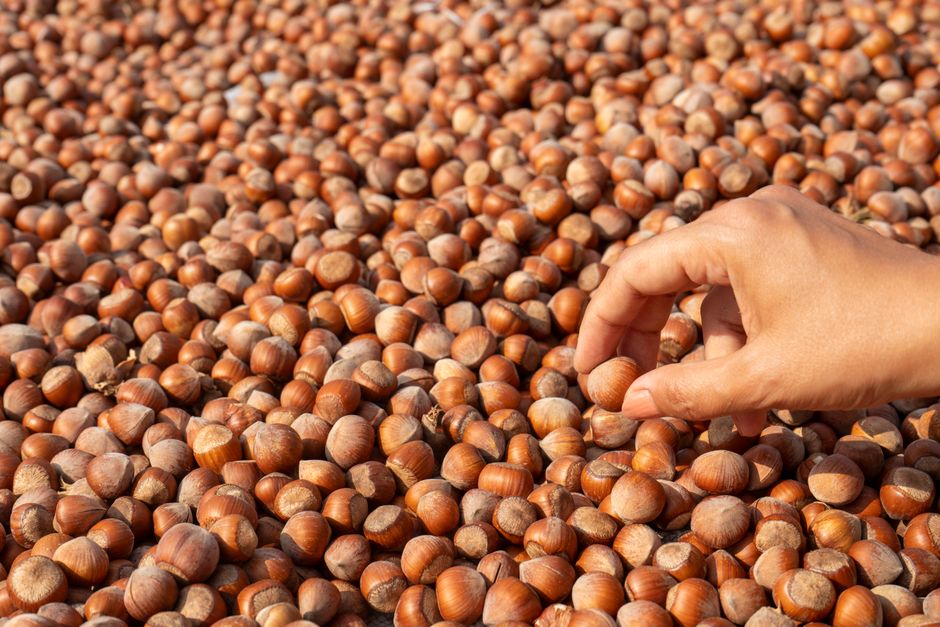
Removing the papery skins from hazelnuts comes down to one principle: heat loosens the thin brown layer, and friction takes it off. Roast the nuts in a 350°F oven for about 10 to 15 minutes, let them cool just enough to handle, then rub them in a clean kitchen towel. Most of the skins will flake away in under a minute. The method works because the heat dries and shrinks the skin while the nut itself releases a little steam, breaking the bond between the two.
You do not need special tools. A baking sheet, a towel, and a few minutes of attention cover it. What follows is the practical process, the reasons it works, and where people commonly go wrong.
Why Do Hazelnut Skins Stick So Tightly?
The brown skin on a hazelnut is the seed coat, a thin protective layer that sits directly against the kernel. It clings because the kernel underneath is slightly moist and because the skin is physically pressed against a curved surface with a large contact area.
Heat changes both conditions. As the nut warms, moisture inside the kernel turns to steam and pushes outward. That pressure loosens the skin at a microscopic level. Meanwhile the skin itself dries out and becomes brittle rather than leathery. Brittle skin cracks and flakes instead of peeling in one piece.
This is why raw hazelnuts are so frustrating to skin. The skin is still pliable and the bond is intact. No amount of rubbing will remove it cleanly.
There is a second reason the skins matter to some cooks. Hazelnut skins carry tannins, which taste bitter and astringent. Leaving them on is fine in many recipes, especially where the nuts are ground finely or the flavor is masked by chocolate or sugar. But in delicate baked goods, nut butters, or a simple bowl of toasted nuts, the skins can make the flavor taste harsh.
How To Remove Skins From Hazelnuts The Easy Way
The oven method is the most reliable approach for home cooks. It is forgiving, works with any quantity, and requires nothing beyond what most kitchens already have.
Here is the process step by step.
- Spread the hazelnuts in a single layer on a rimmed baking sheet. A single layer matters — piled nuts roast unevenly and the ones underneath stay damp.
- Roast at 350°F for about 10 to 15 minutes. Start checking at 10 minutes. The skins should look cracked and the nuts should smell toasted and nutty.
- Pull the pan out and let the nuts cool for a few minutes. They will be hot. Handling them straight from the oven risks a burn.
- Tip the warm nuts onto a clean, dry kitchen towel. Fold the towel over them to make a loose bundle.
- Rub the bundle between your hands for 30 to 60 seconds. You will hear the skins flaking off.
- Open the towel and pick out the nuts, leaving the loose skins behind. A quick shake over a bowl or sink helps separate the rest.
Expect most of the skin to come off, not all of it. A little residue in the crevices is normal and does not affect flavor much. If you need completely bare nuts, a second short rub after they cool further will lift more.
One detail worth knowing: the timing depends on the size and freshness of the nuts. Older, drier hazelnuts skin more easily and roast faster. Very fresh nuts may need the full 15 minutes. Judge by smell and appearance rather than the clock alone.
Does the Boiling Water Method Work Better?
Boiling works, and some cooks prefer it because it is gentler and less likely to scorch the nuts. The trade-off is that it adds moisture, which matters if you plan to grind the nuts or use them in a dry recipe.
The approach is to boil the hazelnuts in water for a few minutes, then drain them and rub off the skins while they are still warm. The hot water softens the skin and the brief boil loosens the bond. It is a reasonable choice when you want raw-tasting nuts rather than toasted ones — for example, in a recipe where toasted flavor would compete with other ingredients.
The catch is drying. Boiled nuts hold water, and wet nuts do not grind well and can turn baked goods soggy. If you go this route, spread the skinned nuts on a towel and let them air-dry, or return them to a low oven briefly to drive off surface moisture.
For most home cooks, the dry oven method is simpler and produces a better result for snacking, baking, and nut butter. The boiling method earns its place when you specifically want untoasted nuts.




Can You Skip the Oven Entirely?
Yes, in some cases. There are a few shortcuts, each with limits.
Toast in a dry skillet. A heavy skillet over medium heat works for small batches. Stir constantly so the nuts toast evenly and the skins crack. This is faster than the oven for a handful of nuts but harder to control for larger amounts.
Rub raw nuts in a towel. This only removes loose flakes, not the tightly bonded skin. It is worth trying if you have very dry, older hazelnuts, but do not expect clean results from fresh ones.
Buy blanched hazelnuts. Many stores sell hazelnuts with the skins already removed. This is the simplest option of all if you can find them and do not mind paying more. Blanched nuts are usually sold raw or roasted, so check the label for what you are getting.
None of these replace the oven method for consistent results across a full batch, but they are useful in a pinch.
What About Hazelnut Flour and Nut Butter?
Skin removal matters more for some uses than others. For hazelnut flour or homemade nut butter, skins can be left on if you do not mind a slightly darker color and a more bitter edge. Many commercial nut butters leave skins on deliberately.
For fine pastry work, praline, or a smooth hazelnut paste, removing the skins gives a cleaner flavor and a lighter color. The tannins in the skin become more noticeable when the nuts are ground finely, because more surface area is exposed.
If you are making hazelnut milk or a dessert where appearance counts, skinned nuts are worth the extra step. For a rustic cake or a batch of granola, leaving them on is perfectly reasonable and saves time.
Common Mistakes That Make Skinning Harder
Most failures come down to temperature and moisture, not technique.
Under-roasting. Pulling the nuts too early leaves the skin pliable and stuck. If the skins are not cracking, they need more time. The nuts should smell distinctly toasted before you rub them.
Letting them cool completely. The skins loosen best while the nuts are still warm. Once fully cool, the bond tightens again and rubbing does much less. Work within a few minutes of pulling them from the oven.
Overcrowding the pan. Nuts piled together steam instead of roast, and the ones in the middle stay damp. A single layer is not optional.
Rubbing too hard. Aggressive rubbing crushes the nuts and creates more mess. A firm, steady rub in a towel does the job without breaking the kernels.
Using a damp towel. Moisture makes the skins stick to the fabric and to the nuts. Use a dry towel.
One more point worth stating plainly: no method removes every trace of skin, and that is fine. Chasing a perfectly bare nut usually costs more time than it is worth. Aim for mostly clean and move on.
How Should You Store Skinned Hazelnuts?
Once skinned, hazelnuts are more exposed to air and can go stale faster than nuts with skins intact. Store them in an airtight container away from heat and light.
For short-term use, a cool pantry is fine. For longer storage, the refrigerator or freezer slows the oils from turning rancid. Hazelnuts are high in fat, and fat oxidizes over time, which is what produces that stale, bitter taste. The skins offer some protection, so skinned nuts benefit from tighter storage.
Let nuts cool completely before sealing them in a container. Trapped warmth creates condensation, and moisture is the enemy of crispness.
Frequently Asked Questions
How long do you roast hazelnuts to remove the skins?
About 10 to 15 minutes at 350°F, checking from 10 minutes onward. The skins should look cracked and the nuts should smell toasted before you rub them.
Can you remove hazelnut skins without roasting them?
Only partially. Rubbing raw nuts removes loose flakes but not the tightly bonded skin. Boiling in water for a few minutes is the main alternative to dry roasting.
Do you have to remove hazelnut skins?
No. The skins are edible and contain tannins that add a slightly bitter note. Many recipes work fine with skins left on, especially where the nuts are ground or combined with strong flavors like chocolate.
Why won’t the skins come off my hazelnuts?
The nuts are most likely under-roasted or have cooled completely. Skins loosen best while the nuts are still warm, so rub them within a few minutes of leaving the oven.
