
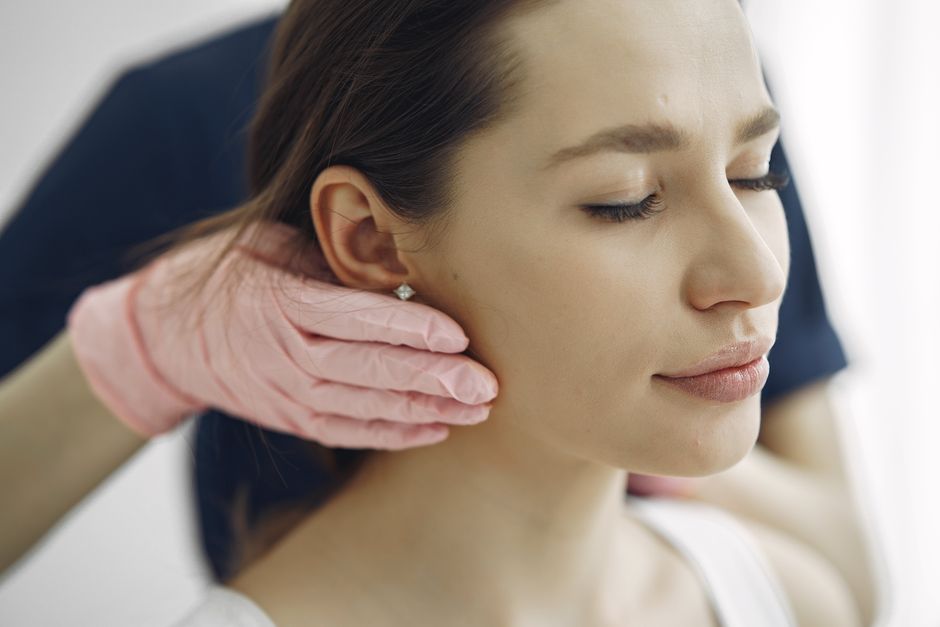
Skin tags on the eyelids are common and almost always harmless. The safest way to remove them is to have a doctor or dermatologist take them off in a clinical setting. Do not cut, tie off, or apply chemical removers to a tag on or near your eyelid at home. The skin there is thin, the blood supply is rich, and the eye itself is close enough to be injured by a slip.
This article explains why eyelid skin tags are different from tags elsewhere on the body, what removal options actually exist, and which popular home remedies carry real risk.
What Are Skin Tags and Why Do They Form on Eyelids?
A skin tag is a small, soft growth of normal skin tissue that hangs from the surface by a thin stalk. Doctors call them acrochordons. They are not cancer, and they do not turn into cancer.
Skin tags tend to appear where skin rubs against skin. On the eyelids, that friction comes from blinking, rubbing your eyes, and the natural folds of the eyelid itself. That is one reason the eyelid is a common spot for them. Age is another factor — they become more common as people get older, and they show up more often in people with higher body weight and in people with diabetes. There is also a genetic tendency, since skin tags often run in families.
They are usually skin-colored or slightly darker, soft to the touch, and range from a tiny bump to a few millimeters across. Most people notice them because they can feel them when they blink, or because they catch on makeup or a towel.
Are Skin Tags on the Eyelid Dangerous?
Skin tags are benign growths, and the great majority of eyelid tags are harmless. The main concerns with an eyelid tag are practical rather than dangerous: it can rub against the eye, irritate the lid, or interfere with vision if it grows large enough.
The important point is that not every bump on an eyelid is a skin tag. Several other conditions can look similar, including a stye, a cyst, a blocked oil gland, a wart, and — rarely — a skin cancer. Some eyelid cancers can look like a small harmless growth at first. Because of that overlap, a doctor should look at any eyelid growth that is new, changing, bleeding, or growing. This is not a reason to panic. It is a reason to get it checked rather than assume.
See a doctor promptly if an eyelid growth:
- Bleeds or crusts
- Changes in size, shape, or color
- Grows quickly
- Causes pain or a persistent sore
- Affects your vision
How To Remove Skin Tags From Eyelids Safely
Removal by a trained clinician is the safe route for eyelid skin tags. A doctor can confirm the growth is actually a skin tag and then choose a method suited to the delicate lid area. The common in-office options are:
- Excision (cutting): The doctor numbs the area and snips the tag off with a sterile instrument. This is quick and often done in a single visit.
- Cauterization: The tag is burned off using heat or a controlled electrical current. This can also stop any minor bleeding.
- Cryotherapy: The tag is frozen with liquid nitrogen and falls off over the following days to weeks. Some clinicians use this near the eyelid; others prefer other methods because of how close the eye is.
The right method depends on the tag’s size, location, and how close it sits to the eye margin. That is a judgment call for the clinician, not something to decide from a description online. Minor bleeding, a small scab, and a temporary mark are possible after removal. Healing time varies with the method and the person.
Some clinicians also remove skin tags for cosmetic reasons even when they cause no symptoms. Whether that is covered by insurance varies, and cosmetic removal is often not covered.
Why Home Removal Methods Are Risky on the Eyelid
Popular home remedies for skin tags — tying them off with thread, cutting with scissors or nail clippers, or applying chemical removers — were not designed for eyelid skin. People do use these methods on tags elsewhere on the body, sometimes without problems. The eyelid is a different situation.
The skin of the eyelid is among the thinnest on the body. It sits directly over the eye, the tear ducts, and a rich network of small blood vessels. A slip while cutting or tying can injure the eye surface or the lid margin. Chemical removers can burn the eye or the surrounding skin, and the fumes or liquid can reach the eye itself. Infection is a further risk, and an infection near the eye is more serious than one on, say, the back.
There is also the identification problem. If you treat a bump at home believing it is a skin tag, and it is actually something else, you may delay proper care. No home method can tell you which growth you are looking at. That is the strongest argument for having a clinician look first.
What About Over-the-Counter Skin Tag Products?
Over-the-counter skin tag removers exist, and some are marketed for general use. They are not a safe choice for the eyelid. These products typically work by freezing or chemically irritating the tissue, and the instructions on most of them warn against use near the eyes. The evidence that they work reliably is also limited, and the risk of damaging the eye or surrounding skin is real.
No clinical evidence confirms that these products are safe or effective specifically on eyelid skin. If a product label says to avoid the eye area, that warning applies to eyelid tags.
Can You Prevent Eyelid Skin Tags?
There is no proven way to prevent skin tags entirely. Because friction and rubbing are thought to play a role, some clinicians suggest avoiding harsh rubbing of the eyes and being gentle when removing eye makeup. Keeping skin clean and moisturized is reasonable general care, though no study confirms it prevents tags.
Because skin tags are more common in people with higher body weight and in people with diabetes, managing overall health is sensible for many reasons. That said, no evidence shows that losing weight or treating diabetes makes existing tags disappear or reliably prevents new ones. If you notice many new tags appearing, it is worth a routine check with your doctor, since that pattern can sometimes accompany insulin resistance.
When to See a Doctor
Any eyelid growth deserves a professional look before you act on it. That is especially true if it is new, changing, or bothering your eye. A primary care doctor can often handle a simple skin tag or refer you to a dermatologist or an eye specialist (ophthalmologist) for tags very close to the eye.
The visit is usually quick. The doctor examines the growth, confirms what it is, and discusses removal options if you want it gone. For most people, that is the whole process — a short appointment and a small procedure, done safely.
Frequently Asked Questions
Can I cut off a skin tag on my eyelid myself?
No. Cutting an eyelid tag at home risks injuring the eye, the lid margin, or the tear ducts, and it can lead to infection. Removal by a clinician is the safe approach.
Will an eyelid skin tag go away on its own?
Most skin tags stay put once they form and do not disappear without removal. Some may shrink or fall off after cryotherapy, but that is a clinical treatment, not a natural process.
Does removing an eyelid skin tag hurt?
In-office removal is usually done with local numbing, so the procedure itself is typically not painful. Mild soreness and a small scab afterward are common.
Can a skin tag on the eyelid be cancer?
Skin tags themselves are benign, but some eyelid cancers can look like a small harmless growth at first. That is why a doctor should examine any new or changing eyelid bump.
