
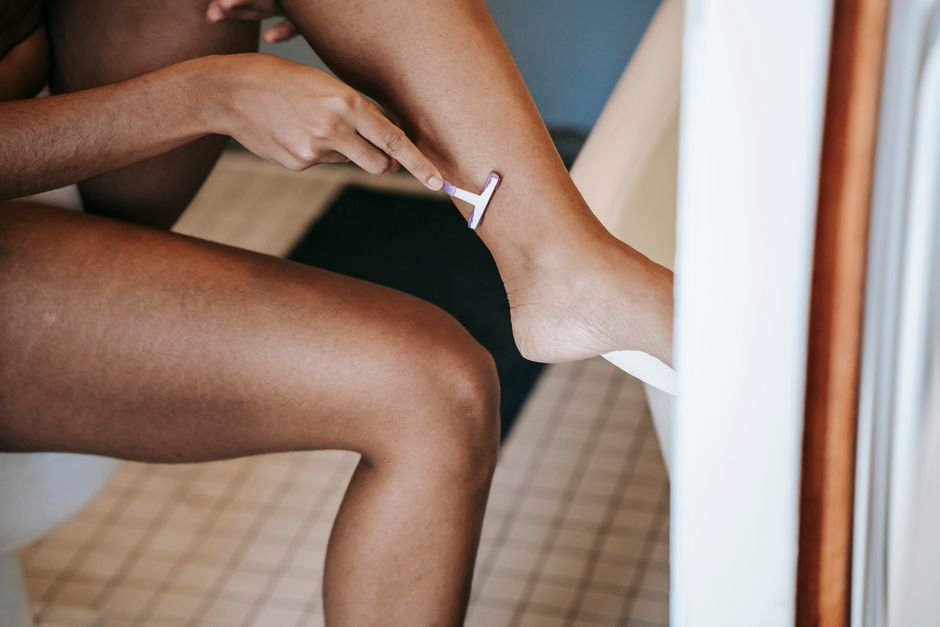
Razor bumps are small, irritated bumps that appear after shaving, usually on the face, neck, underarms, or bikini line. To remove them fast, stop shaving the area for a few days, apply a cool compress to calm swelling, and use a gentle moisturizer. Most cases settle on their own within days to a couple of weeks once the skin heals and the hair grows back.
What you are actually looking at matters. Razor bumps are not a single thing. Most are a mild form of irritation. Some are ingrown hairs, where a cut hair curls back and grows into the skin. A smaller number are a genuine infection that needs medical care. Telling them apart changes what helps and what makes things worse.
What Are Razor Bumps, Exactly?
Razor bumps are the common name for pseudofolliculitis barbae — inflammation around a hair follicle after shaving. The medical term sounds intimidating, but the process is simple.
Shaving cuts hair at an angle. The shortened hair can retract below the skin surface. As it grows back, it may curve and pierce the skin nearby instead of rising straight out. The body treats that hair as a foreign object and mounts an inflammatory response. You get a red or dark bump, sometimes with a tiny pus head.
Two things make this more likely. One is tightly curled hair, which curves more easily as it regrows. The other is cutting hair very close to the skin, which pushes the starting point below the surface. That is why a close shave against the grain often produces more bumps than a lighter pass with the grain.
Razor bumps are not acne. They can look similar, and people often treat them with acne products that dry and irritate the skin further. If the bumps follow a shave and sit right where hair grows, irritation or ingrown hair is the more likely cause.
How To Remove Razor Bumps Fast
The fastest route is to stop the irritation at its source and let the skin calm down. No product removes a bump in hours. What you can do is shorten the healing time and avoid making it worse.
Start by putting the razor down. Give the area a break from shaving for several days. This is the single most effective step, because every shave re-injures healing skin and can drive the hair back under the surface.
Apply a cool, damp compress for short periods to reduce swelling and redness. Then keep the skin moisturized with a plain, fragrance-free lotion or cream. Moisturized skin is more flexible, which helps hairs break through the surface instead of getting trapped.
Warm compresses can help a bump that clearly contains a trapped hair, because warmth and moisture soften the skin over it. Do not squeeze or pick. Picking pushes bacteria in and turns a minor bump into a possible infection or scar.
Over-the-counter hydrocortisone cream is sometimes used for a few days to calm inflammation. This is common practice rather than a strongly proven fix for razor bumps specifically. Use it short-term and only on small areas, and check with a pharmacist if you are unsure.
If a hair is visibly curled under the skin and near the surface, gently lifting it out with a clean tweezers can help. Do not dig for it. Never pluck a deeply embedded hair, which can cause more inflammation and scarring.
What Makes Razor Bumps Worse?
Most razor bumps get worse because of how the skin is treated after the shave, not the shave itself. A few common habits work against healing.
- Shaving again too soon. Reopening healing skin is the most common reason bumps linger.
- Shaving against the grain. It cuts hair closer, which raises the risk of ingrown hairs.
- Dull or dirty blades. A dull blade tugs and cuts unevenly. A dirty one adds bacteria.
- Dry shaving. No lubrication means more friction and more irritation.
- Alcohol-based aftershaves. These sting and dry the skin, which slows healing.
- Picking and squeezing. This is the main cause of scarring and infection.
One detail people miss: pressing hard with the razor does not give a better shave. It removes more skin surface along with the hair, which is exactly what triggers irritation. Light pressure with a sharp blade does the job.
How to Shave Without Getting Bumps
Prevention is where the real gains are. People who get frequent razor bumps usually find that changing technique reduces them more than any cream.
Soften the hair first with warm water and a gentle cleanser. Use a shaving cream or gel that gives a real layer between blade and skin. Shave in the direction the hair grows, with light strokes. Rinse the blade often.
Replace blades regularly. A dull blade is a common and underrated cause of irritation. After shaving, rinse with cool water and apply a plain moisturizer. Skip products with heavy fragrance or alcohol.
For people who get bumps repeatedly, an electric trimmer that leaves a little stubble can help a lot. It does not cut as close, so the hair is less likely to retract below the skin. Some people also find that leaving the area unshaved for a period breaks the cycle.
Chemical depilatories and waxing are alternatives, but both can irritate sensitive skin, and neither is guaranteed to prevent ingrown hairs. Test any new method on a small area first.
When Razor Bumps Need a Doctor
Most razor bumps are harmless and fade. Some need medical attention, and it is worth knowing the difference.
See a doctor if a bump becomes large, hot, very painful, or spreads. These can be signs of a bacterial infection, which may need antibiotics. Do not try to drain it yourself.
Also seek care if bumps keep coming back despite better shaving habits, or if they leave dark marks or firm scars. Persistent cases sometimes need prescription treatments, and a clinician can confirm what you are dealing with.
Dark spots left after bumps heal are called post-inflammatory hyperpigmentation. They are more common in people with darker skin tones. These marks fade slowly over weeks to months and are not a sign of infection. Sun protection helps prevent them from darkening further.
One more point worth stating plainly: razor bumps are not contagious and are not a sexually transmitted infection. They are a mechanical skin reaction. But a bump that looks unusual, keeps growing, or does not heal should still be checked, because other skin conditions can look similar.
Do Razor Bump Products Actually Work?
Many products marketed for razor bumps have limited evidence behind them. That does not mean they are useless, but the claims often run ahead of the science.
What has reasonable support is basic skin care: gentle cleansing, moisturizing, and avoiding further irritation. Products containing salicylic acid or glycolic acid are sometimes used to help skin shed dead cells and reduce trapped hairs. Evidence for these specifically in razor bumps is limited, and they can sting on inflamed skin. Start cautiously.
Be skeptical of anything promising to remove bumps overnight or to prevent them permanently. No product does that. Healing takes time, and the most reliable strategy is to stop irritating the skin and let it recover.
If you are unsure whether a product is right for you, a pharmacist is a good, low-cost first stop. They can flag ingredients that may irritate your skin and tell you when to see a doctor.
Frequently Asked Questions
How long do razor bumps take to go away?
Most mild razor bumps fade within a few days to a couple of weeks once you stop shaving the area. Bumps that become infected or leave dark marks can take longer.
Can I pop razor bumps?
No. Popping or squeezing a razor bump can push bacteria into the skin and raise the risk of infection and scarring.
What is the fastest way to get rid of razor bumps?
Stop shaving the area, apply a cool compress, and keep the skin moisturized. This reduces irritation and gives the skin time to heal.
Are razor bumps the same as ingrown hairs?
They overlap but are not identical. Razor bumps are inflammation after shaving, and many are caused by hairs growing back into the skin, which is an ingrown hair.
