
You cannot remove hardened plaque from behind your teeth at home. Once plaque hardens into tartar, it bonds to the tooth surface and only a dental professional can take it off. What you can do at home is stop soft plaque from turning into tartar in the first place — and that is where daily brushing and flossing genuinely work. Understanding the difference between the two is the single most useful fact for anyone worried about the film building up behind their lower front teeth.
The lower front teeth are a common spot for buildup because saliva glands sit right under the tongue and release mineral-rich fluid that bathes those teeth. That mineral content helps protect enamel, but it also feeds the hardening process. So the area you can feel with your tongue is often the first place plaque turns to tartar.
What Is the Difference Between Plaque and Tartar?
Plaque is a soft, sticky film of bacteria that forms on teeth within hours of brushing. It is colorless at first and you can scrape it off with a fingernail or a brush. Tartar — also called calculus — is plaque that has absorbed minerals from saliva and hardened into a rough, porous crust. That change typically takes somewhere between a day and a couple of weeks, depending on the person and the location in the mouth.
This distinction matters because the two substances behave completely differently. Soft plaque responds to brushing and flossing. Hardened tartar does not. No toothpaste, rinse, or home scraping tool removes tartar safely, and trying can damage the enamel underneath or push the crust below the gumline where it does more harm.
The rough surface of tartar also makes new plaque stick more easily. That is why tartar buildup tends to snowball once it starts, and why regular professional cleaning interrupts the cycle.
How To Remove Plaque From Behind Teeth At Home
You remove soft plaque with mechanical action — physically wiping it off the tooth surface. No rinse or supplement does this for you. The steps below are the ones with the most consistent support in dental literature.
- Brush twice a day with a fluoride toothpaste, for about two minutes each time. A soft-bristled brush with a small head reaches the back of the lower front teeth more easily.
- Angle the brush so the bristles meet the gumline at roughly 45 degrees and sweep away from the gums. This targets the area where plaque hides behind the lower incisors.
- Floss once daily. Floss reaches the sides of teeth where a brush cannot. If flossing is hard for you, interdental brushes or a water flosser are reasonable alternatives — though the evidence for water flossers is less strong than for string floss.
- Use the brush tip to scrub the inside surface of your lower front teeth. Many people brush the front and chewing surfaces and skip the tongue-side entirely.
- Consider an electric toothbrush. Some studies suggest oscillating-rotating brushes remove plaque somewhat better than manual brushing, though technique matters more than the tool.
Brushing your tongue helps reduce the overall bacterial load in the mouth, though it does not remove plaque from teeth. A fluoride mouthwash can add protection but is not a substitute for brushing and flossing.
Can You Scrape Tartar Off Your Own Teeth?
You should not try to remove tartar yourself with a dental pick, a scaler, or any sharp tool. This is one of the clearest positions in dentistry, and it is not just about sales for dental offices.
Tartar sits directly on enamel and often extends below the gumline. A sharp instrument in an untrained hand can scratch enamel, cut gum tissue, or push bacteria deeper into the pocket between tooth and gum. The tools dental hygienists use require training and a clear view of what is underneath. Home tartar-removal kits sold online carry the same risks.
Some people do use a soft wooden or plastic tool to gently scrape soft plaque from the front teeth — this is not the same as tartar removal and is not harmful if done gently, but it is not necessary if you brush and floss well. If you can feel a hard, crusty ridge behind your lower front teeth that does not come off with brushing, that is tartar and it needs professional removal.
How Often Should You Get Professional Cleanings?
Most dental organizations recommend a professional cleaning at intervals based on individual risk, and for many adults that means every six months. People with gum disease, a history of heavy tartar buildup, dry mouth, or certain medical conditions may need more frequent visits. Smokers and people with diabetes tend to accumulate tartar faster.
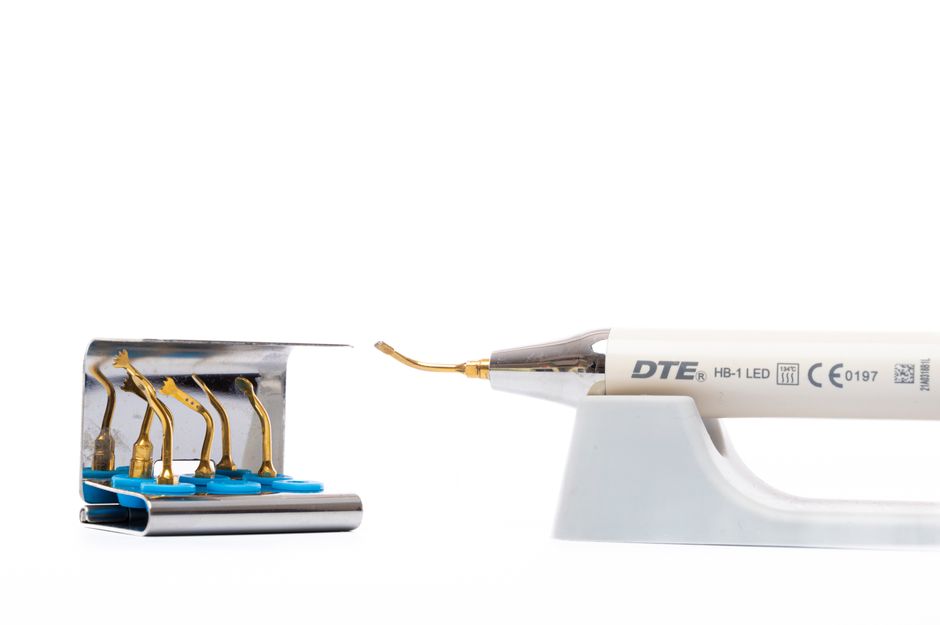
Professional cleaning — called scaling and polishing — uses ultrasonic instruments and hand scalers to break up tartar above and below the gumline. It is the only reliable way to remove hardened deposits. The procedure is generally painless, though sensitive gums may feel tender afterward.
One thing worth knowing: even a perfect home routine will not prevent all tartar. Some people simply produce more mineral-rich saliva or have crowded teeth that trap plaque. Regular cleanings are not a sign of failure — they are part of the maintenance plan.
What Home Remedies Actually Work for Plaque?
Most viral home remedies for plaque removal do not have strong evidence behind them. A few have some support for slowing plaque formation, but none remove existing tartar. Here is an honest breakdown.
| Remedy | What the evidence shows |
|---|---|
| Baking soda | Some studies suggest baking soda toothpaste removes plaque slightly better than non-baking-soda toothpaste. It does not remove tartar. |
| Oil pulling (coconut or sesame oil) | Small studies show mixed results. It is not a substitute for brushing and flossing, and no strong evidence shows it removes tartar. |
| Apple cider vinegar | No clinical evidence supports it for plaque removal, and its acidity can erode enamel with repeated use. |
| Aloe vera gel | Some early research suggests it may reduce plaque when used as a rinse, but the evidence is limited and not strong enough to recommend it. |
| Chewing hard foods (apples, carrots) | Chewing crunchy foods stimulates saliva, which helps neutralize acid, but it does not scrub plaque off teeth. |
Be cautious with acidic remedies. Enamel does not grow back, and repeated exposure to vinegar or lemon juice can soften it over time. Fluoride toothpaste remains the most reliable home tool for protecting enamel while you remove plaque.
When Should You See a Dentist?
See a dentist if you notice a hard ridge behind your teeth that will not brush away, bleeding gums when you brush or floss, persistent bad breath, or gums that look red, swollen, or pulled away from the teeth. These can be signs of gingivitis or periodontitis, and both are treatable — but only with professional care.
Gum disease is common and often painless in its early stages, which is why regular checkups matter. Bleeding gums are not normal, even if they happen every time you floss. They usually signal inflammation from plaque at the gumline, and they typically improve within a week or two of consistent brushing and flossing — if they do not, that is a reason to get checked.
If you have not seen a dentist in a long time, a single cleaning can remove years of tartar buildup. There is no home shortcut for that.
Frequently Asked Questions
Can I remove tartar from my teeth at home?
No. Hardened tartar bonds to the tooth and can only be removed safely by a dental professional using proper instruments. Home scraping risks damaging enamel and gums.
Does baking soda remove plaque?
Some studies suggest baking soda toothpaste removes soft plaque slightly better than regular toothpaste. It does not remove tartar, and it is not a substitute for brushing and flossing.
Why does plaque build up behind my lower front teeth?
Saliva glands under the tongue release mineral-rich fluid that bathes those teeth, which speeds up the hardening of plaque into tartar. The area is also easy to miss when brushing.
How often should I get my teeth cleaned?
Many adults get a professional cleaning every six months, but the right interval depends on your individual risk for gum disease and tartar buildup. Your dentist can advise based on your history.
