
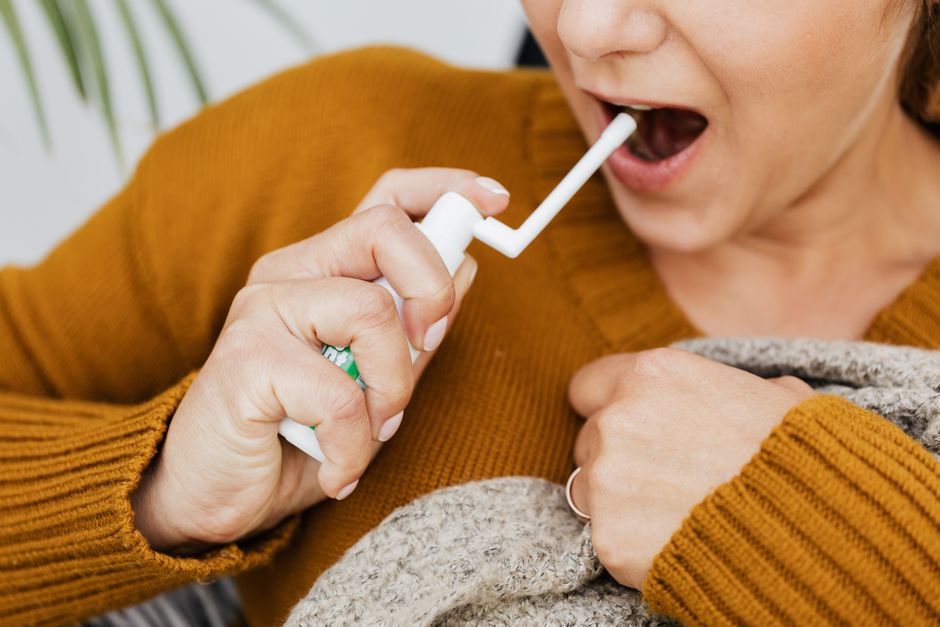
Phlegm in the throat is annoying, but it is usually not dangerous. It is your body’s way of protecting your airways from irritants and infections. The most effective way to remove it is to thin the mucus so it can be cleared easily. Staying hydrated and using steam are the first steps that work for most people. For stubborn phlegm, a saline nasal rinse or a medication called guaifenesin can help.
Why Does Phlegm Build Up in the First Place?
Phlegm is a type of mucus produced by your respiratory system. It lines your lungs, throat, and sinuses. Its job is to trap dust, bacteria, and viruses before they reach your lungs.
When you get sick or encounter an irritant, your body produces more mucus. This extra mucus catches the invaders but also becomes thick and sticky. That is when you feel it stuck in your throat.
Common causes include the common cold, allergies, acid reflux, and smoking. Dry air can also make existing mucus thicker and harder to clear. In most cases, the underlying trigger resolves on its own, and the phlegm goes with it.
What Actually Loosens Thick Phlegm Fastest?
Thinning the mucus is the fastest way to clear it. Thin mucus moves more easily and is less likely to cling to your throat. Water is the simplest and most effective tool for this.
Drinking warm fluids like tea or broth adds moisture and heat. The warmth can also soothe an irritated throat. Aim to sip fluids regularly throughout the day rather than drinking a large amount all at once.
Steam is another direct method. Inhaling steam from a hot shower or a bowl of hot water adds moisture directly to your airways. This can quickly reduce the thickness of the mucus, making it easier to cough up or swallow.
How To Remove Phlegm From Throat With Simple Techniques
When phlegm is loose but still stuck, physical techniques can help move it. A controlled cough is more effective than a hacking cough. It clears the airway without causing throat strain.
One common method is the “huff” cough. Take a slow, deep breath. Hold it for two to three seconds. Then exhale forcefully with your mouth open, making a “huff” sound. Repeat this a few times. This technique moves mucus from smaller airways to larger ones where it can be coughed out.
Gargling with warm salt water can also help. The salt draws fluid out of the throat tissues, which can thin mucus. It also soothes a sore throat. Dissolve a half teaspoon of salt in a glass of warm water and gargle for a few seconds before spitting it out.





When Medications Are Worth Considering
Over-the-counter expectorants can help when home remedies are not enough. Guaifenesin is the most common active ingredient in these products. It works by thinning mucus in the airways, making coughs more productive.
It is important to understand what guaifenesin does not do. It does not stop a cough. It does not treat the underlying illness. It only changes the consistency of the mucus. If you have a dry cough with no phlegm, an expectorant will not help you.
Decongestants are sometimes used alongside expectorants. They reduce swelling in the nasal passages, which can reduce post-nasal drip. Post-nasal drip is a major cause of throat phlegm. However, decongestants do not thin mucus, and they can cause dry mouth and elevated heart rate.
Follow the dosing instructions on any medication label exactly. Do not combine multiple cold medications without checking for overlapping ingredients.
Does Diet or Food Play a Role?
Some foods and drinks can make phlegm worse, while others may help. The evidence here is mixed, but some patterns are consistent.
Dairy products like milk and cheese are often blamed for thickening phlegm. Research does not confirm that dairy increases mucus production. However, some people report thicker saliva after consuming dairy. If you notice this, reducing dairy may help you feel more comfortable, but it will not cure the underlying issue.
Spicy foods may help temporarily. Capsaicin, the compound that makes chili peppers hot, can thin mucus and promote drainage. This effect is short-lived and not a long-term solution.
Honey is a different case. Research has found that honey can soothe a sore throat and reduce nighttime coughing. It does not specifically remove phlegm, but it can make the throat feel less irritated. Do not give honey to children under one year old due to the risk of infant botulism.
Home Remedies That Actually Work
A saline nasal rinse can be highly effective when phlegm comes from post-nasal drip. A neti pot or squeeze bottle with sterile saline solution flushes mucus and irritants out of the nasal passages. Use distilled, sterile, or previously boiled water. Tap water must never be used directly in a nasal rinse because it can introduce harmful organisms.
Humidifiers add moisture to the air in your home. This is especially helpful in winter when indoor heating dries out the air. Keeping the humidity level between 30 and 50 percent can prevent mucus from becoming thick in the first place.
Elevating your head while sleeping can reduce phlegm accumulation. Gravity helps keep mucus from pooling in the back of your throat. Use an extra pillow or raise the head of your bed slightly.
When Phlegm Lasts Too Long or Gets Worse
Most phlegm clears within a week or two. If it lasts longer than that, or if it is accompanied by certain symptoms, you should see a doctor.
Seek medical attention if you have blood in your phlegm, shortness of breath, chest pain, or a fever above 103°F. These can indicate a more serious condition like pneumonia or bronchitis.
Chronic phlegm that never goes away can also be a sign of acid reflux. Stomach acid can irritate the throat and trigger mucus production. If you notice phlegm more in the morning or after meals, reflux may be the cause. Treating the reflux often resolves the phlegm.
Smoking is a common cause of persistent phlegm. The smoke irritates the airways and increases mucus production. Quitting smoking is the most effective long-term solution for this specific cause.
What Not To Do When Clearing Your Throat
Forcefully clearing your throat repeatedly is counterproductive. It irritates the vocal cords and throat tissues. This irritation triggers more mucus production, creating a cycle of more phlegm and more clearing.
Instead of hacking, try swallowing or taking a sip of water. If you must cough, use the huff technique described earlier. It is gentler and more effective.
Avoid extremely dry environments when possible. Dry air removes moisture from your airways and makes mucus stickier. If you cannot control the environment, use a humidifier or take frequent steam showers.
Frequently Asked Questions
Does drinking more water actually help remove phlegm?
Yes. Staying hydrated keeps mucus thin and easier to clear. Dehydration makes phlegm thicker and harder to remove.
Is it better to spit out phlegm or swallow it?
Either is fine. Swallowing phlegm is harmless; your stomach acid will break it down. Spitting it out is also safe and may make you feel more comfortable.
Can allergies cause phlegm in the throat?
Yes. Allergies trigger inflammation and increased mucus production, which often drains into the throat. Treating the allergy with antihistamines or avoiding triggers can reduce phlegm.
When should I see a doctor about phlegm?
See a doctor if phlegm lasts more than two weeks, contains blood, or comes with fever, chest pain, or shortness of breath. These symptoms require professional evaluation.
