
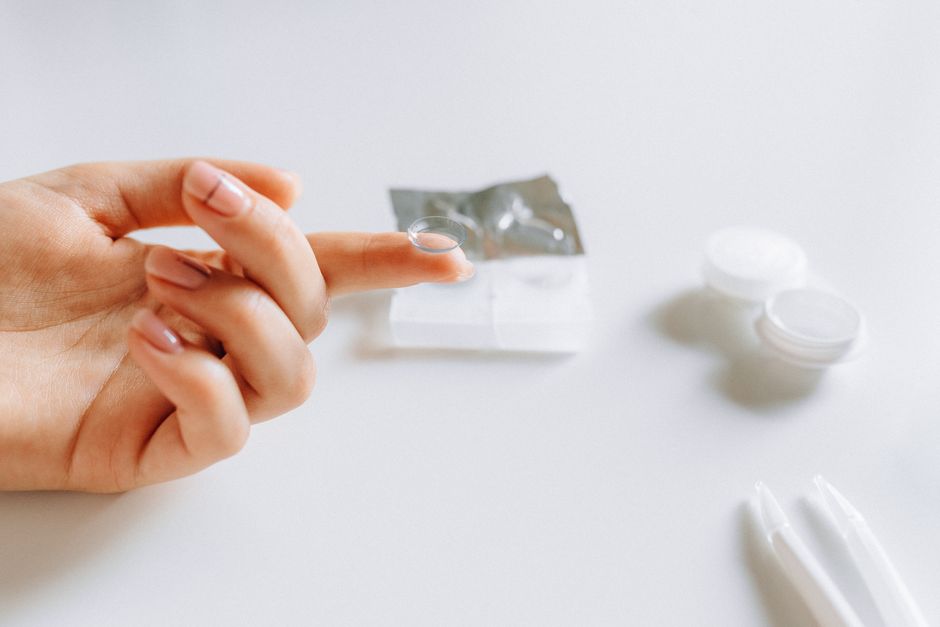
Removing a NuvaRing is simple: hook a clean finger under the rim and pull it out. There is no special tool, no clinic visit, and no need to reach deep into the vagina. The ring sits in the upper part of the vagina, near the cervix, and you can remove it yourself in seconds. The timing matters more than the technique. Depending on whether the ring is for birth control, a hormone-free week, or a continuous-use schedule, when you take it out changes how well it works.
How To Remove Nuvaring Steps Timing And Tips
Wash your hands with soap and water first. Then find a comfortable position — standing with one foot on a chair, squatting, or lying on your back all give you easier access.
Reach one finger into the vagina and feel for the ring. It feels like a firm plastic loop about the size of a small bracelet. Once you find the rim, hook your finger through the center or under the edge and pull gently. The ring flexes and slides out easily. It should not hurt.
- Do not pull hard or yank. If it feels stuck, change position and try again.
- Do not use fingernails to dig at it. That can scratch the vaginal wall.
- If you cannot reach it, squatting usually shortens the vaginal canal and brings the ring within reach.
- If it still will not come out, contact a clinician. A ring that has been pushed unusually high can be removed in a clinic.
After removal, wrap the used ring in its foil pouch or a tissue and throw it in the trash. Do not flush it. Do not put a used ring back in later — it releases hormones at a set rate and reusing it does not give reliable protection.
How Long Should You Leave The Ring In?
The standard schedule is three weeks in, one week out. You insert the ring, leave it in place for 21 days, then remove it. During the fourth week you have no ring in, and you typically get a withdrawal bleed. After seven ring-free days, you insert a new ring.
That is the labeled schedule for the combined hormonal ring. It is designed to mimic a monthly cycle and produce a predictable bleed.
There is also a continuous or extended schedule. In this approach, you leave a ring in for four weeks and replace it immediately with a new one, skipping the ring-free week. Some clinicians recommend this for people who get bothersome withdrawal symptoms or who prefer fewer periods. The evidence supports that this use prevents pregnancy, though it is not the schedule printed on the original label. If you want to try it, talk to your clinician first.
One detail people miss: the ring does not have to sit in one exact spot. As long as it is inside the vagina and comfortable, it works. It does not need to touch the cervix. If it slips lower and you can feel it near the opening, you can push it back up, but a low-lying ring is still releasing hormone and still effective.
What Happens If You Remove It Late Or Early?
Late removal is usually not a problem as long as the ring was in place for at least 21 days. If you leave it in for 22, 23, or even 28 days before removing it, you are still protected. You can then take your ring-free week and start the next ring on schedule.
Early removal is where protection can slip. If you take the ring out before 21 days are up, you may not have had enough hormone exposure to suppress ovulation. The general rule for combined hormonal contraception is that if the ring is out for more than a certain number of hours during the “in” weeks, backup contraception may be needed. That window is short — hours, not days. If you are unsure whether your ring was out too long, use a backup method such as condoms until you have had seven consecutive days of ring use.
If you remove the ring for your scheduled ring-free week and forget to insert the new one on time, the same concern applies. Extending the ring-free interval beyond seven days raises the chance of ovulation. Insert the new ring as soon as you remember and use backup protection for the first seven days.





Timing Around Your Period
The ring-free week is when most people bleed. That bleed is a withdrawal bleed, not a true menstrual period. It happens because the hormone levels drop when the ring comes out, which triggers the uterine lining to shed.
Some people bleed a little at the start of the ring-free week. Others bleed a day or two after removal. Both are normal. Some people get no bleed at all, which can also be normal, especially on continuous schedules.
If you were using the ring to skip periods, you would leave it in for the full four weeks and swap it right away. You may get some breakthrough spotting, particularly in the first few months. That usually settles with time, though not always.
Can You Remove The Ring During Sex?
You can, but you do not have to. The ring can stay in during intercourse. Many people and their partners do not notice it, and it does not need to come out for sex to be comfortable or safe.
If you or your partner can feel it and it bothers you, you can take it out for sex. The key is to put it back in within a few hours. The ring needs to be in place for at least 21 days, and short removals during the “in” weeks generally do not reduce protection as long as the total time out stays short.
If you remove it for sex during the ring-free week, that is different. During the ring-free week, the ring is supposed to be out anyway, so there is nothing to put back until the week is over.
Common Mistakes And How To Avoid Them
The most common mistake is losing track of the days. The ring schedule is easy to forget because there is nothing daily to remember. Setting a phone reminder for both the removal day and the insertion day solves most of this.
Another mistake is reinserting a ring that fell out and was left somewhere dirty. If a ring falls out and you cannot clean it properly, use a new one. Rinsing with cool water is fine. Do not use hot water, soap, or alcohol on the ring — those can damage the material.
Some people remove the ring and store it in the refrigerator or freezer. Do not do this. Store unused rings at room temperature, away from direct sunlight, in their foil pouches until you are ready to use them.
A less obvious point: the ring can sometimes come out during a bowel movement, especially if you strain. If you notice it missing, check before you flush. A ring that goes into the toilet should be thrown away, not retrieved and reused.
When To Call A Clinician
Contact a clinician if you cannot remove the ring after several tries, if removal causes sharp pain or bleeding, or if you notice a foul-smelling discharge along with discomfort. Those can signal an infection or a ring that has been displaced in a way you cannot correct on your own.
Also call if you think you might be pregnant, if you have missed a ring insertion and are unsure what to do, or if you have new symptoms like leg pain, chest pain, or severe headache. Those can be signs of a blood clot, which is a rare but serious risk with combined hormonal contraception. Seek urgent care for those symptoms rather than waiting.
Frequently Asked Questions
How do you remove a NuvaRing?
Wash your hands, find the ring with one finger, hook the rim, and pull gently. It should slide out without pain or force.
How long should you leave a NuvaRing in?
The standard schedule is 21 days in, then 7 days out, followed by a new ring. Some clinicians recommend a continuous schedule where you leave it in for 4 weeks and replace it right away.
What happens if you leave the ring in too long?
Leaving it in longer than 21 days is generally not harmful and does not reduce protection. You can still take your ring-free week and start the next ring on schedule.
Can you take the ring out during sex?
You can, but you do not have to — the ring can stay in during intercourse. If you remove it, put it back within a few hours to keep protection reliable.
