
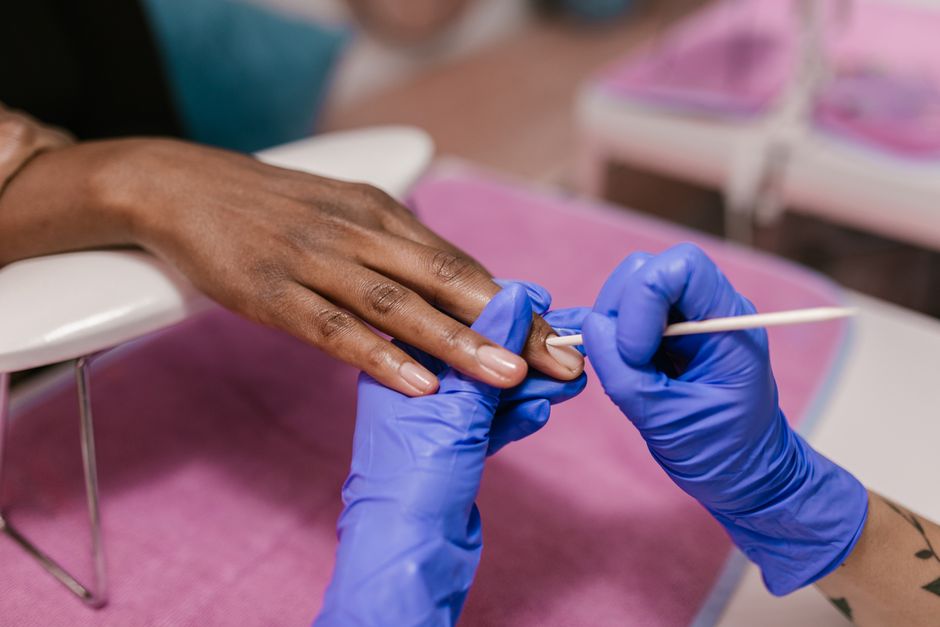
Nail glue bonds fast and holds tight, which is great for your nails and terrible for the plastic surface it just landed on. The safest way to remove nail glue from plastic is to start gentle and slow: peel or pick at the dried edge with a fingernail or plastic scraper, then work up through warm soapy water, isopropyl alcohol, and acetone only if the plastic can handle it. The single biggest risk is not the glue itself — it is the solvent you choose. Acetone melts some plastics on contact, so the material of your item matters more than the strength of your remover.
Why Nail Glue Sticks to Plastic So Well
Most nail glue is cyanoacrylate. It is the same family of adhesive sold as super glue. Cyanoacrylate cures when it meets trace moisture in the air or on a surface. The molecules link into long chains and lock onto whatever they touch.
Plastic is often slightly porous at a microscopic level, and many plastics hold a thin film of moisture. That combination gives cyanoacrylate plenty to grip. The bond forms in seconds, which is why a drip you did not notice becomes a hard spot before you can wipe it away.
This is also why the fix is rarely one product. You are trying to weaken a cured plastic bond without damaging a plastic surface. Those two goals pull against each other.
How To Remove Nail Glue From Plastic Safely: The Gentle-First Method
Work from the least aggressive option upward. Most small drips come off before you ever need a solvent.
Step 1: Let it dry completely. Wet glue smears and spreads into texture. Cured glue lifts as a solid piece.
Step 2: Peel the edge. Use your fingernail, a wooden toothpick, or a plastic scraper. Never use a metal blade on plastic. Metal scratches the surface and those scratches trap future dirt.
Step 3: Try warm soapy water. Soak the item for several minutes in warm water with dish soap. Warm water softens some adhesives and lubricates the edge so it releases more cleanly. This works better on flexible plastics than on rigid ones.
Step 4: Try isopropyl alcohol. Apply with a cotton swab and let it sit for a minute. Alcohol is far gentler on plastic than acetone and will loosen some cyanoacrylate bonds, especially thin ones.
Step 5: Use acetone only if the plastic can take it. Test a hidden spot first. If the surface turns cloudy, sticky, or soft, stop immediately.
Which Plastics Can Survive Acetone?
Acetone is the most effective common solvent for cyanoacrylate, and it is also the most likely to ruin your item. The American Chemical Society and plastics industry references classify plastics by their resin codes, and acetone resistance varies sharply across them.
Roughly speaking:
- Polyethylene (recycle codes 2 and 4) — generally resistant to acetone. Milk jugs, detergent bottles, and many storage bins fall here.
- Polypropylene (code 5) — generally resistant. Common in food containers and some cosmetic packaging.
- PET (code 1) — usually holds up to brief acetone contact, but prolonged exposure can dull the surface.
- Polystyrene (code 6) — dissolves quickly. Clear disposable cups and many plastic cases fall here. Keep acetone away.
- Polycarbonate — clouds, cracks, or melts. Often found in eyewear lenses, some phone cases, and clear protective panels.
- Acrylic — dissolves. Acetone is sold as acrylic nail polish remover precisely because it breaks down acrylic.
- ABS plastic — frequently softens or warps. Common in electronics housings and some toys.
If you cannot identify the plastic, do not gamble. Assume it is sensitive and stay with alcohol or mechanical removal.



What About Nail Polish Remover Instead of Pure Acetone?
Standard nail polish remover is usually acetone diluted with water, fragrance, and oils. It is weaker than pure acetone, which makes it a reasonable middle step.
But “weaker” does not mean “safe.” If the product contains acetone at all, it can still damage the same plastics. The added oils can also leave a residue that is harder to clean off than the glue was.
Non-acetone polish removers are typically ethyl acetate or similar solvents. These are gentler on many plastics but noticeably less effective on cured cyanoacrylate. You may need more time and more patience.
How To Apply Acetone Without Damaging the Plastic
If you have confirmed the plastic tolerates acetone, control matters as much as the chemical.
- Work in a ventilated space. Acetone fumes are strong and can cause dizziness in a closed room.
- Keep it away from flames and sparks. Acetone is highly flammable.
- Apply with a cotton swab rather than pouring. You want the glue wet, not the whole item.
- Let it sit for 30 to 60 seconds, then try to lift the glue. Repeat rather than soaking longer.
- Wipe with a clean cloth and wash the area with soap and water afterward.
- Never mix acetone with other solvents or cleaning products.
Repeat short applications beat one long soak. A long soak is where most plastic damage happens.
What Not To Do
Some common advice causes more harm than the original spill.
Do not use a knife or razor blade. You will scratch the plastic, and those scratches cannot be undone.
Do not use sandpaper or a nail file. Same problem, more mess.
Do not use heat. A hair dryer or hot water above what your hands can comfortably tolerate can warp thin plastics. Cyanoacrylate also releases irritating fumes when heated.
Do not use paint thinner, nail glue remover, or industrial solvents on plastic unless the label specifically says it is safe for that material. Many of these dissolve plastic faster than they dissolve glue.
Do not scrub hard. Pressure creates scratches and can push glue deeper into textured surfaces.
Special Cases: Phone Cases, Eyeglasses, and Clear Plastics
These items come up often because they are near where people do their nails.
Phone cases are frequently made of TPU, silicone, or polycarbonate. Silicone and TPU are usually tolerant of gentle methods. Polycarbonate is not acetone-safe. If you are unsure which you have, use alcohol and mechanical removal only.
Eyeglass lenses are often polycarbonate or high-index plastic. Acetone can ruin the anti-reflective coating and cloud the lens. Take these to an optician rather than treating them at home.
Clear acrylic or polystyrene — display stands, storage boxes, some cosmetic organizers — will fog or craze on contact with acetone. There is no safe home fix for glue on these. Mechanical removal is your only option.
When To Stop and Get Help
If the item is valuable, sentimental, or expensive to replace, stop before you experiment. A professional restorer or the manufacturer’s customer service can often tell you what the material is and what it tolerates.
If the glue is on a surface you cannot identify and the item matters, the honest answer is that home removal carries real risk of permanent damage. Sometimes living with a small spot is the better outcome.
Preventing the Problem Next Time
Protection is easier than removal. Lay down a silicone mat or a sheet of parchment paper before you start. Silicone and parchment release cured cyanoacrylate far more easily than most plastics.
Keep acetone and alcohol off your work surface unless you know the surface can handle them. Many tabletops are laminate or coated, and both can be damaged by solvents.
Cap your glue promptly. Cyanoacrylate cures from airborne moisture, and an open bottle thickens fast.
Skin Safety While You Work
Acetone and alcohol both strip oils from skin. Brief contact is generally not a concern for most people, but repeated or prolonged exposure can cause dryness, cracking, and irritation.
Wear nitrile gloves if you are working with acetone for more than a moment. Latex gloves do not hold up well against acetone. Wash your hands with soap and water when you finish, then use a plain moisturizer.
If you have a cut or broken skin near the area, cover it before you start. Solvents on an open wound sting and slow healing.
Frequently Asked Questions
Does acetone really melt plastic?
Yes, acetone dissolves or softens many common plastics, including polystyrene, polycarbonate, acrylic, and ABS. It is generally tolerated by polyethylene and polypropylene, which is why the plastic type matters more than the solvent strength.
Can I use vinegar to remove nail glue from plastic?
Vinegar is not an effective solvent for cured cyanoacrylate, so it will not dissolve the glue. It is safe on most plastics, so it does no harm, but do not expect it to do the job on its own.
How long should I soak plastic in acetone?
Do not soak. Apply acetone with a cotton swab, let it sit for 30 to 60 seconds, then try to lift the glue, and repeat as needed. Long soaks are where most plastic damage happens.
Is it safe to use nail polish remover on a phone case?
Only if you have confirmed the case material tolerates acetone. Many phone cases are polycarbonate or a polycarbonate blend, which acetone can cloud or crack, so test a hidden spot first or stick to isopropyl alcohol.
