
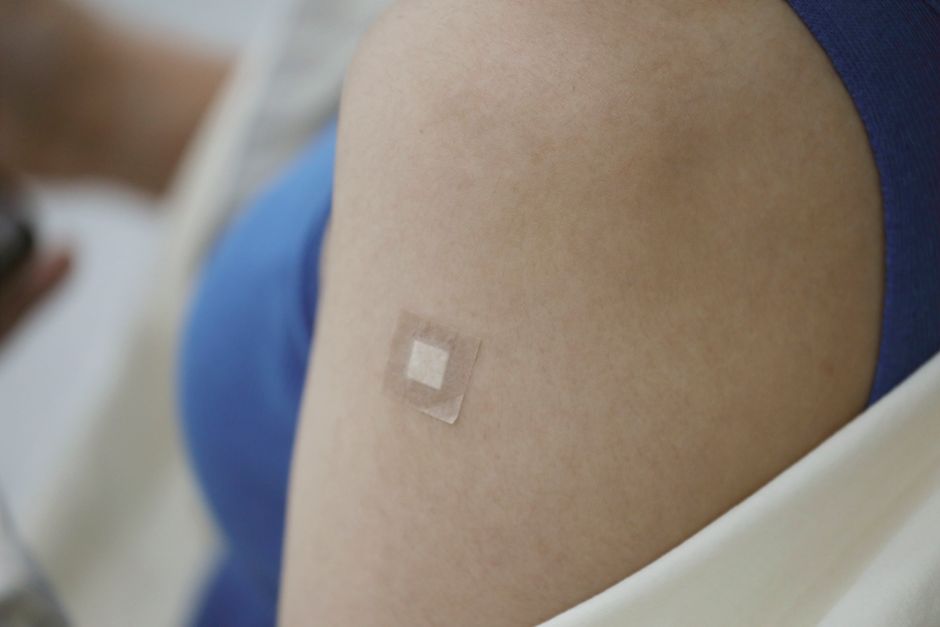
Medical adhesive is everywhere in healthcare. It holds IV lines, surgical dressings, heart monitors, and glucose sensors in place. When it is time for it to come off, the process can hurt. Skin can tear, hair can pull, and the area can stay red and sore for days. The good news is that you can remove most medical adhesives with little to no pain by using the right technique and the right products. The key is to loosen the adhesive bond slowly and support the skin as you pull. You do not need to accept a painful removal as normal.
Why Does Medical Adhesive Hurt So Much When Removed?
The pain comes from the bond between the adhesive and your skin. That bond is designed to last for days, sometimes longer. The glue grips the top layer of your skin, which is called the epidermis. It also wraps around fine hairs.
When you pull a dressing off fast, the adhesive does not let go of the skin. Instead, the skin stretches and tears away from the layers beneath it. This is called skin stripping. It leaves a raw, red patch that can weep and scab. The pain is real because you are literally removing a thin layer of skin cells.
Hair makes it worse. The adhesive grips each hair shaft. A quick pull yanks the hair out from the root, which stings sharply. Slowing down and breaking the bond before pulling prevents most of this damage.
What Is The Best Way To Remove Medical Adhesive Without Pain?
The most reliable method is to use an adhesive remover wipe. These wipes contain a silicone-based solvent that dissolves the glue bond without dissolving your skin. They are widely used in hospitals and are available at most pharmacies.
Here is the technique that works best:
- Wash your hands before you start.
- Peel up one corner of the dressing or tape so you can reach the adhesive edge.
- Press the adhesive remover wipe against the edge of the tape where it meets your skin.
- Hold it there for 15 to 30 seconds. Let the solvent soak into the adhesive.
- While pressing the skin down with one finger, slowly peel the tape back over itself in the opposite direction.
- Apply more remover as you go if the tape starts to pull.
Peeling back over itself means you are pulling the tape toward the already removed part, not straight up away from the skin. This keeps the force low and parallel to the skin surface. Pressing the skin down with your other hand gives the skin something to resist against, which reduces stretching.
If you do not have adhesive remover wipes, warm soapy water is the next best option. Soak a washcloth in warm water with a little mild soap. Hold it over the tape for a few minutes. The water weakens the adhesive. Then peel slowly using the same technique. This works, but it takes longer than a solvent wipe.
Baby oil, mineral oil, or cooking oil can also work in a pinch. The oil gets between the adhesive and the skin and weakens the grip. Apply it generously and let it sit for several minutes before peeling.
What Should You Do If The Adhesive Is On A Sensitive Area?
Sensitive areas include the face, the chest, the groin, and skin that is already fragile. Thin skin, like the skin on the back of your hands or your shins, tears more easily. Older adults often have thinner skin that is more prone to damage.
For these areas, do not pull at all. Soak the adhesive thoroughly first. Use an adhesive remover wipe and hold it in place for a full minute. Reapply if needed. The goal is to let the solvent do the work, not your fingers.
If the dressing is over a wound or a surgical site, follow your clinician’s instructions. Some wounds need the dressing changed in a specific way to protect the healing tissue. If your clinician gave you specific removal instructions, follow those instead of general advice.
For skin that is already red, raw, or blistered from a previous removal, stop using that product. Talk to your doctor about alternatives. There are dressings and tapes made for sensitive skin that use gentler adhesives. Some come with a silicone adhesive that is designed to be removed with less force.





How To Remove Medical Adhesive From Hair
Adhesive in hair is a different problem. This happens with head dressings, some monitoring devices, and glue used for certain procedures. The adhesive bonds to the hair shaft itself, and pulling it out is painful.
Do not rip it out. Use an adhesive remover wipe or a cotton ball soaked in baby oil. Work the product into the hair and the adhesive. Let it sit for several minutes. The adhesive will soften and slide off the hair strand. Then gently comb or wipe it away.
If the adhesive is matted into a large clump of hair, you may need to cut the clump out with scissors. This is safer than pulling and will not damage the hair follicles. Only do this if you can see clearly and use blunt-tipped scissors.
How To Remove The Sticky Residue Left Behind
Sometimes the tape comes off fine, but a sticky film stays on your skin. This residue is the remaining adhesive. It is not harmful, but it collects dirt and can feel unpleasant.
Adhesive remover wipes will take it off. Rub the wipe over the residue and it will dissolve. If you do not have wipes, oil works well. Apply baby oil or mineral oil to a cotton ball and rub the residue in a circular motion. The oil breaks down the adhesive. Then wash the area with soap and water to remove the oil.
Rubbing alcohol will also remove residue. Use it sparingly because it dries the skin. If your skin is already irritated from the removal, skip the alcohol and use oil instead. Alcohol on raw skin stings.
A paste of baking soda and water can work for stubborn residue. Make a thick paste, apply it to the sticky area, let it sit for a few minutes, then rub gently. Wash it off afterward.
How To Treat Skin After Adhesive Removal
After the adhesive is gone, check the skin. Some redness is normal and will fade within a few hours. If you see a raw patch, a blister, or a tear, that is skin stripping. It needs care to heal and to prevent infection.
Wash the area gently with mild soap and water. Pat it dry. Do not rub. Apply a thin layer of plain petroleum jelly to keep the area moist. Moist wounds heal faster than dry ones. Cover it with a loose, non-stick bandage if it is in a spot that rubs against clothing.
If the skin is intact but red, a gentle moisturizer is enough. Aloe vera gel can soothe the area. Avoid products with fragrance or alcohol, which can irritate damaged skin.
Watch for signs of infection. If the area becomes more painful, swollen, warm, or starts oozing yellow or green fluid, see a doctor. Infection after skin stripping is uncommon but possible, especially in people with diabetes or weakened immune systems.
Why Do Some People Get Blisters From Medical Tape?
Blisters from medical tape are usually not from the adhesive itself. They are from the tape pulling on the skin during removal or from the tape being applied under tension. When tape is stretched tight over skin, it creates shear forces. Over time, these forces separate the top layer of skin from the layer below, and fluid fills the gap. That is a blister.
Some people also have true contact dermatitis from the adhesive. This is an allergic reaction. It causes intense itching, redness, and sometimes tiny blisters that weep. This reaction usually appears hours after application, not just after removal.
If you get blisters every time you wear a particular tape or dressing, tell your doctor. They can test for adhesive allergy or switch you to a different product. Silicone-based adhesives are less likely to cause both skin stripping and allergic reactions.
Frequently Asked Questions
Can I use nail polish remover to remove medical adhesive?
No. Nail polish remover contains acetone, which is too harsh for skin and can cause chemical burns. Use a medical adhesive remover wipe, baby oil, or warm soapy water instead.
How long should I hold an adhesive remover wipe on the tape?
Hold it for 15 to 30 seconds to let the solvent soak in. If the tape still resists, apply more and wait another 30 seconds before peeling.
Is it normal for skin to be red after removing medical tape?
Mild redness that fades within a few hours is normal. If the skin is raw, blistered, or the redness lasts more than a day, treat it gently and contact your doctor if it worsens.
What is the best product for sensitive skin after tape removal?
Plain petroleum jelly is the safest choice for raw or irritated skin. For intact but red skin, a fragrance-free moisturizer or aloe vera gel works well.
