
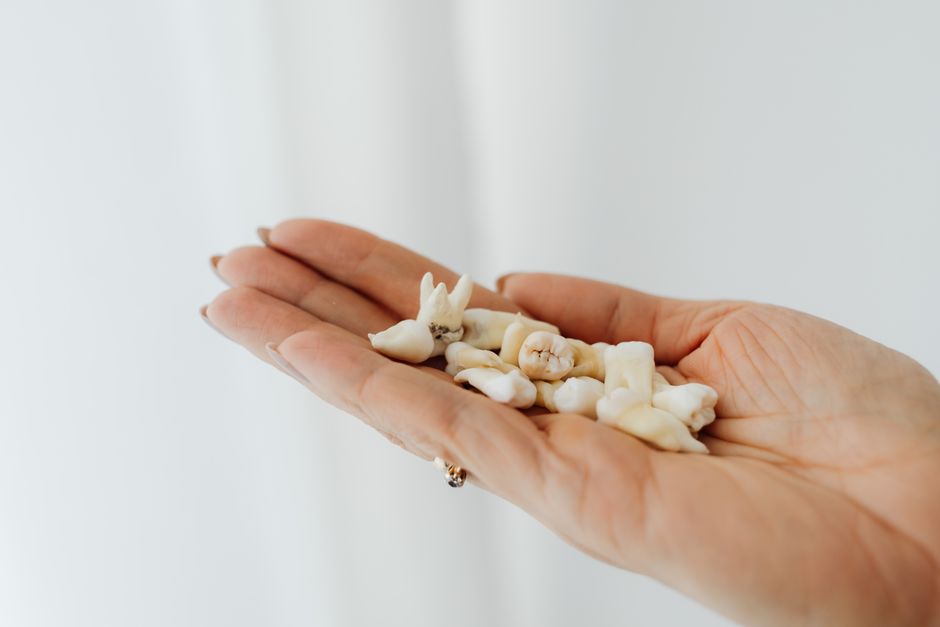
A loose tooth in an adult is not the same situation as a loose baby tooth. If a permanent tooth is moving, the goal is almost never to pull it out — it is to get to a dentist quickly and find out why it is loose. For a child’s baby tooth that is ready to come out, gentle pressure, good hygiene, and patience are usually all that is needed.
This article covers both situations. It explains when a tooth is truly ready to come out, what you should and should not do, and the warning signs that mean you need professional care right away.
Why Is My Tooth Loose?
Teeth are held in place by the periodontal ligament, a thin layer of tissue that connects the root of the tooth to the surrounding jawbone. When that attachment weakens — from injury, infection, or bone loss — the tooth starts to move.
The cause matters more than the looseness itself.
In children, a loose tooth is usually just normal development. The root of a baby tooth dissolves over time to make way for the permanent tooth underneath. This is a healthy, expected process.
In adults, a loose permanent tooth is a warning sign. The most common causes include:
- Periodontal disease — gum infection that damages the bone supporting the teeth. This is the leading cause of tooth loss in adults.
- Dental injury — a fall, a blow to the face, or biting something hard. This can damage the ligament or fracture the root.
- Bruxism — chronic teeth grinding that puts ongoing pressure on the supporting structures.
- Advanced decay — when infection destroys enough of the tooth or surrounding tissue.
Pregnancy can also cause temporary tooth mobility because hormonal changes affect the ligaments and gums. This usually reverses after delivery, but it still deserves a dental check.
How To Remove Loose Tooth: When It Is Actually Ready
A tooth is ready to come out when it is held by only a small amount of tissue and moves easily with almost no discomfort. If pulling causes real pain, it is not ready.
Here is how to tell the difference:
- Ready: The tooth wiggles freely, tilts in any direction, and feels like it is hanging by a thread. There may be a tiny bit of blood.
- Not ready: The tooth moves only slightly, feels firmly anchored, or hurts when you push it.
If it is ready, you can help it along safely:
- Wash your hands thoroughly.
- Use a clean tissue or piece of gauze to grip the tooth.
- Apply gentle, steady pressure — a slight twist or pull.
- Stop if there is pain or significant bleeding.
Never force a tooth that resists. Forcing a tooth that is not ready can tear gum tissue, cause infection, and create unnecessary pain. It can also damage the permanent tooth forming underneath in a child.
After the tooth comes out, bite down on clean gauze for a few minutes to control bleeding. A small amount of bleeding is normal and usually stops quickly.
What Should You Not Do With a Loose Tooth?
Most damage from loose teeth comes from well-meaning attempts to speed things up. Avoid these:
- Do not tie a string to a doorknob. This old trick can cause injury to the gums, the jaw, or the incoming tooth.
- Do not use pliers or tools. You cannot control the force, and you risk breaking the tooth or pushing bacteria deeper into the gum.
- Do not wiggle it constantly. Constant movement irritates the gum and can introduce bacteria.
- Do not ignore a loose adult tooth. Waiting can allow an underlying infection or bone loss to get worse.
One clarification worth making: a tooth that is loose because of gum disease is not a tooth you should try to remove at home. Pulling it does not treat the infection around it, and the same process may already be affecting other teeth.




When Should You See a Dentist?
See a dentist the same day if any of these apply:
- The loose tooth is a permanent (adult) tooth.
- The tooth became loose after an injury or fall.
- There is swelling, pus, or a bad taste in your mouth.
- You have pain that does not go away.
- The tooth has changed color or feels higher than the others when you bite.
- More than one tooth feels loose.
A dentist can check whether the tooth can be saved. Sometimes a loose tooth can be stabilized with a splint, treated with a deep cleaning, or managed with other procedures. In many cases, acting early is what keeps the tooth in your mouth.
If a tooth is knocked out completely — not just loosened — that is a dental emergency. Handle it by the crown, not the root, keep it moist in milk or saliva, and get to a dentist as fast as possible. Time matters a great deal in these cases.
How Do You Care for the Area After a Tooth Comes Out?
Once a tooth is out, the socket needs to heal. A blood clot forms in the socket and protects the tissue underneath while new tissue grows in.
To protect that clot:
- Bite gently on clean gauze for a few minutes if there is bleeding.
- Avoid vigorous rinsing, spitting, or sucking through a straw for the first day.
- Do not smoke — smoking interferes with healing and raises the risk of a painful condition called dry socket.
- Eat soft, cool foods for the first day or two.
- Keep the area clean, but be gentle.
Some soreness and minor bleeding are expected. Call your dentist if bleeding will not stop, if pain gets worse after a few days, or if you develop a fever. Worsening pain a few days after an extraction can be a sign of dry socket or infection, and it should be checked.
Can a Loose Tooth Be Saved?
Often, yes — especially if you act early. The outcome depends heavily on the cause.
If gum disease is the reason, treatment usually involves deep cleaning to remove bacteria from below the gumline, sometimes along with other procedures. Research consistently shows that treating periodontal disease can reduce tooth mobility, though the amount of improvement varies from person to person and depends on how much bone has already been lost.
If an injury caused the looseness, a dentist may reposition the tooth and splint it to its neighbors while the ligament heals. The success of this depends on how quickly you seek care and how much damage occurred.
If bone loss is severe, the tooth may not be savable. In that case, your dentist will discuss options for replacing it. This is not a decision to make on your own.
What is clear is this: a loose permanent tooth is a reason to call a dentist, not a reason to start pulling. The tooth you save today is one you do not have to replace later.
Frequently Asked Questions
How do you remove a loose tooth without pain?
A tooth that is truly ready comes out with gentle, steady pressure and little or no discomfort. If pulling causes real pain, the tooth is not ready and should be left alone.
Should I pull a loose adult tooth myself?
No. A loose permanent tooth usually signals an underlying problem like gum disease or injury, and pulling it at home does not treat that problem. See a dentist instead.
How long does it take for a loose baby tooth to fall out?
It varies. A baby tooth can stay slightly loose for days or even a few weeks before it comes out on its own, and that is normal.
What happens if I leave a loose adult tooth untreated?
The condition causing the looseness, such as gum disease or infection, can get worse and may lead to tooth loss. Early dental care gives the best chance of saving the tooth.
