
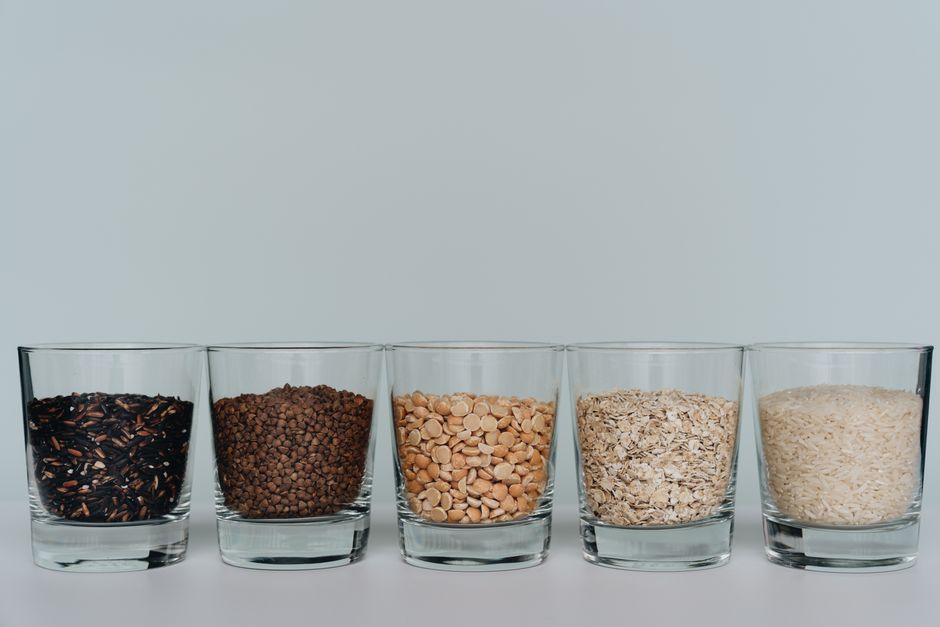
Rice contains only small amounts of lectins, and ordinary cooking reduces them to levels that are not a health concern for most people. The most effective methods are soaking rice before cooking, cooking it with plenty of water, and using moist heat such as boiling or steaming. Raw rice should never be eaten. If you have a diagnosed digestive condition and are worried about lectins, these cooking steps are the practical ones that matter.
What Are Lectins and Why Are They in Rice?
Lectins are proteins that bind to specific sugars. They are found in almost every plant food, and rice is no exception.
Plants use lectins as a natural defense. They can make a plant less appealing to insects and other animals that might eat it. In the human gut, some lectins can bind to the cells lining the digestive tract if they are eaten in large amounts and in raw form.
Here is the part most people miss. The lectin content of rice is low compared with foods like raw kidney beans, which are genuinely dangerous when undercooked. Rice is not in that category. The concern about rice lectins is largely a story built on the much more serious problem of raw or undercooked legumes.
Rice lectins are also heat-sensitive. Cooking breaks them down. This is why the question is really about cooking method, not about avoiding rice.
How To Remove Lectins From Rice Cooking Methods That Work
Heat and water are the two things that reduce lectins in rice. The methods below rely on one or both.
Soaking before cooking
Soaking rice in water before cooking is a traditional step in many cuisines, and it does more than soften the grain. Some of the water-soluble components, including a portion of the surface proteins, leach into the soaking water. Discarding that water removes them.
Soaking for a period of time before cooking is common practice. The exact duration that removes the most lectins has not been pinned down in large human studies, so treat soaking as a helpful step rather than a measured dose. Rinse the rice well after soaking and cook it in fresh water.
Cooking with excess water and draining
Boiling rice in a large volume of water and then draining off the extra liquid is one of the more effective approaches. Like soaking, it works on the principle that water-soluble proteins move into the cooking water. When you pour that water off, you pour some of those proteins away with it.
This is the same logic behind cooking pasta in plenty of water. The trade-off is that some starch and nutrients go down the drain too. That is a reasonable exchange if reducing lectins is your goal.
Boiling and steaming
Moist heat is more effective than dry heat for breaking down lectins. Boiling rice fully cooks the grain and denatures the proteins, including lectins. Steaming works through the same moist-heat mechanism.
Dry methods like toasting or dry-roasting rice do not rely on water and are less reliable for reducing lectins. They are fine for flavor, but they are not the tool for this job.
Pressure cooking
Pressure cooking combines high heat with moisture and reaches temperatures above what a normal pot achieves. That combination is very effective at denaturing proteins. For legumes, pressure cooking is well documented as one of the most reliable ways to destroy lectins. For rice, the same principle applies, though rice lectin levels are already low enough that the difference is modest.
Does Rinsing Rice Remove Lectins?
Rinsing removes some surface material, including loose starch and a portion of water-soluble proteins. It is a useful first step, but rinsing alone is not enough to meaningfully reduce lectins.
The reason is simple. Rinsing is brief contact with water. Soaking and boiling give water much more time and heat to pull proteins out of the grain. Rinse your rice to clean it and improve texture, then cook it properly. Do not rely on rinsing as your only method.
Does White Rice Have Fewer Lectins Than Brown Rice?
White rice generally has lower lectin content than brown rice. The difference comes from processing.
Brown rice keeps its bran and germ. White rice has those layers removed during milling. Since much of the protein, including lectins, sits in the outer layers, milling removes a good portion of them along with the bran.
That does not make brown rice a problem food. It just means brown rice carries slightly more of the compounds people are asking about. If you prefer brown rice for its fiber and nutrients, cooking it well addresses the lectin question.
| Rice type | Lectin content | Notes |
|---|---|---|
| White rice | Lower | Bran and germ removed during milling |
| Brown rice | Higher | Bran and germ intact; cook thoroughly |
| Raw rice (any type) | Highest | Never eat raw; always cook |
Is Cooking Rice Enough to Make It Safe?
Yes. Fully cooked rice is safe to eat, and lectins are not the reason to worry about it. The real safety issue with rice is different, and it is worth knowing.
Uncooked rice can carry spores of a bacterium called Bacillus cereus. These spores survive cooking. If cooked rice is left at room temperature for long periods, the spores can grow into bacteria that produce toxins, and eating that rice can cause food poisoning.
The fix is straightforward. Cook rice thoroughly, and if you are not eating it right away, refrigerate it promptly and reheat it until it is steaming hot. This is the food safety step that actually matters with rice. Lectins are a distant second concern.
Do You Need to Remove Lectins From Rice at All?
For most people, no. Rice is a staple food for billions of people, and it has been eaten safely for thousands of years. The lectin content of cooked rice is low.
Some people report digestive discomfort after eating certain foods and wonder if lectins are the cause. The evidence here is limited. There is no large body of human trials showing that removing lectins from rice improves digestion or health in generally healthy people. Claims that a low-lectin diet treats or prevents disease are not supported by strong clinical evidence.
If you have a diagnosed digestive condition, such as inflammatory bowel disease or a specific food intolerance, talk to your clinician about your diet. Do not self-diagnose a lectin sensitivity and cut out whole food groups based on internet claims.
There is one honest caveat. A small number of people may have genuine reactions to specific food proteins. If you consistently feel unwell after eating rice or other foods, that is worth investigating with a doctor rather than guessing at the cause.
Practical Steps That Actually Help
If you want to reduce lectins in rice, focus on these steps.
- Rinse the rice under running water before cooking.
- Soak it for a while, then discard the soaking water.
- Cook it in plenty of water and drain the excess, or boil and steam it fully.
- Use a pressure cooker if you have one.
- Never eat raw or undercooked rice.
- Refrigerate leftover rice promptly and reheat it thoroughly.
None of these steps require special products or supplements. The methods that work are the ordinary ones people have used for generations.
Frequently Asked Questions
Does soaking rice remove lectins?
Soaking helps because some water-soluble proteins leach into the water, which you then discard. It is a useful step, but the exact amount removed has not been precisely measured in large studies.
Is it safe to eat rice every day?
Yes, for most people. Rice is a staple food worldwide, and cooked rice has low lectin levels. The bigger safety concern is storing and reheating cooked rice properly to avoid food poisoning.
Does white rice have lectins?
Yes, but generally less than brown rice. Milling removes the bran and germ, which is where much of the protein sits, so white rice ends up with lower lectin content.
Can cooking rice wrong make you sick?
Yes, but usually not because of lectins. Rice left at room temperature can grow bacteria that cause food poisoning. Cook it fully, refrigerate leftovers promptly, and reheat until steaming hot.
