
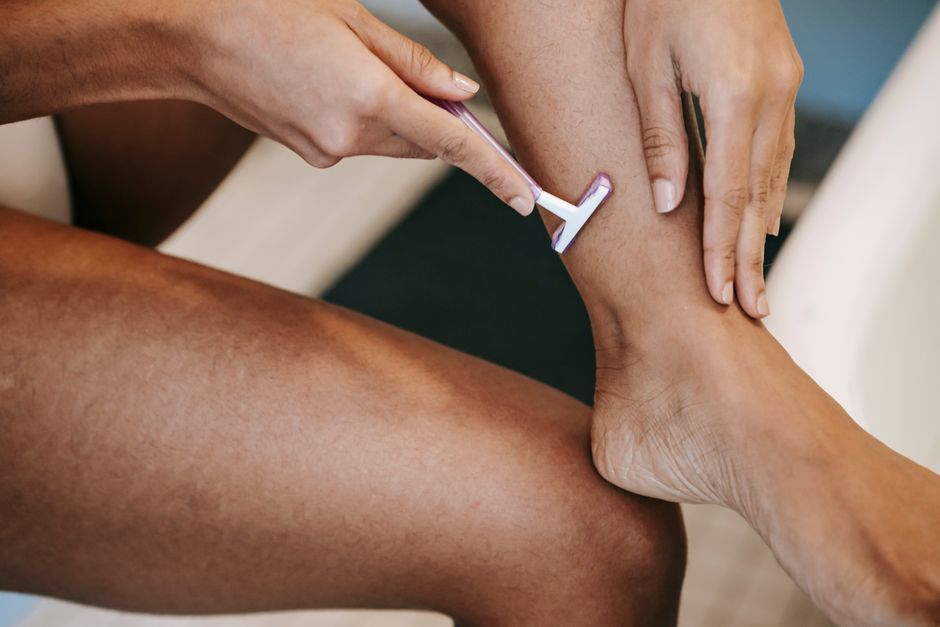
An ingrown hair on the chin happens when a hair curls back into the skin or grows sideways under the surface instead of pushing out. To remove one, stop plucking and picking, apply a warm compress for a few minutes several times a day to help the hair surface, and let a visible hair lift out on its own or gently guide it out with clean tweezers. If the area is red, swollen, or painful, treat it like a minor skin infection and see a doctor if it does not improve.
Chin hair is common in women. So is the irritation that comes with removing it. The chin is a tough spot because the skin is relatively thin, the area gets friction from hands and clothing, and hair removal there is often done in a hurry. That combination makes ingrown hairs more likely.
What follows is what actually works, what makes things worse, and when a bump on the chin is something else entirely.
What Causes Ingrown Hair on the Chin in Women?
An ingrown hair forms when a growing hair is blocked or redirected. The hair shaft curves back into the skin, or it grows parallel to the surface and never breaks through. The body responds to the trapped hair the way it responds to any foreign object — with redness, swelling, and sometimes pus.
Several things make this more likely on the chin specifically:
- Shaving too close. Pulling skin tight and pressing hard can cut hair below the surface. When it grows back, it may not reach the surface before curving.
- Plucking and waxing. Pulling hair out by the root can leave a sharp, angled end that catches on skin as it regrows.
- Dead skin buildup. A layer of dead cells on the surface can physically block a hair from emerging.
- Friction. Resting your chin on your hands, tight chin straps, and scarves all create repeated rubbing.
- Hair texture and curl. Curly and coarse hair is more likely to curve back into the skin. This is why ingrown hairs are more common in people with curly hair.
Hormones matter here too. Chin hair in women often increases with age, and conditions that raise androgen levels — such as polycystic ovary syndrome — can cause more chin hair growth. More hair removal means more chances for ingrown hairs. If chin hair has increased suddenly or comes with other symptoms like irregular periods or acne, that is worth discussing with a doctor.
How To Remove Ingrown Hair On Chin For Women
The first rule is to stop digging. Most ingrown hairs resolve on their own within days to a couple of weeks if you leave them alone. Picking and squeezing push bacteria deeper and turn a minor bump into a scar or a real infection.
Here is a step-by-step approach that reflects standard dermatologic advice:
- Apply a warm compress. A clean washcloth soaked in warm — not hot — water for a few minutes, a few times a day, softens the skin and encourages the hair to surface. This is the single most useful thing you can do at home.
- Exfoliate gently. A soft washcloth or a mild chemical exfoliant containing salicylic acid or glycolic acid can help clear dead skin. Skip harsh scrubs, which irritate the area further.
- Let the hair come up. If a loop of hair becomes visible at the surface, you can free it. Wash your hands, clean the tweezers with rubbing alcohol, and gently pull the hair out from where it is trapped. Do not dig under the skin to reach a hair you cannot see.
- Do not pluck the whole hair if it is deeply embedded. Pulling at a hair that is still under the skin causes more trauma than it fixes. Leave it and keep using warm compresses.
- Keep the area clean and dry. Wash with a gentle cleanser and avoid heavy creams or makeup on the spot until it settles.
One clarification worth knowing: a hair that has surfaced but is still growing under a thin layer of skin can sometimes be freed with a sterile needle, a technique some dermatologists use in clinic. Doing this at home carries a real risk of infection and scarring, especially on the face. It is better done by a professional if it needs doing at all.
Should You Pop or Squeeze an Ingrown Hair?
No. Squeezing an ingrown hair on the chin is the most common way people make it worse.
An ingrown hair bump is not a pimple with a single blocked pore. It is skin reacting to a hair shaft trapped underneath. Squeezing forces the hair and bacteria deeper, increases inflammation, and raises the risk of a scar. On the chin, scars are hard to hide and slow to fade.
There is one exception worth naming. If a bump has formed a clear white head and the hair is visibly sitting right at the surface, gentle pressure with a warm compress may release it. Even then, hands off is safer. If you are unsure whether a bump is an ingrown hair or a pimple, treat it as an ingrown hair and leave it alone.





When Is a Chin Bump Something More Serious?
Most chin bumps are ingrown hairs. Some are not, and a few need medical attention.
See a doctor or dermatologist if:
- The bump gets larger, hotter, or more painful over a few days
- Redness spreads outward from the bump
- You develop fever or feel unwell
- The bump keeps coming back in the same spot
- You have many bumps clustered together that are not healing
- A bump changes color, bleeds, or does not heal over several weeks
Two conditions can look like ingrown hairs but are not. Folliculitis is inflammation or infection of the hair follicle itself, often caused by bacteria; it can spread and sometimes needs antibiotics. Hidradenitis suppurativa is a chronic skin condition that causes painful lumps, usually in skin folds, and requires medical care. A single chin bump is unlikely to be either, but recurring painful lumps deserve a proper look.
A persistent, changing, or non-healing spot on the chin should always be checked. Skin cancer on the face can occasionally look like a small blemish that will not go away. This is uncommon, but it is the reason “it never healed” is a reason to get seen.
How To Prevent Ingrown Hairs on the Chin
Prevention comes down to how you remove hair and how you care for the skin between removals.
If you shave:
- Shave in the direction the hair grows, not against it
- Use a sharp blade and replace it regularly — a dull blade drags and cuts unevenly
- Use shaving cream or gel, and let it sit on the skin for a minute before shaving
- Do not pull the skin tight or press hard
- Rinse the blade between strokes
If you pluck or wax, clean the skin before and after, and avoid removing hair from irritated or inflamed skin. For women with persistent chin hair, some clinicians recommend laser hair removal as a longer-term option, because it reduces hair growth rather than repeatedly traumatizing the follicle. Results vary by hair color, skin tone, and hormone status, and it is not a guaranteed fix.
Between removals, gentle exfoliation once or twice a week helps keep dead skin from blocking hair. Moisturizing keeps the skin barrier intact. And keep your hands off your chin — the friction and bacteria from resting your face on your hands contribute more than most people realize.
What About Creams and Ingrown Hair Products?
Many over-the-counter products claim to treat ingrown hairs. The evidence for most of them is limited.
Products containing salicylic acid or glycolic acid have a reasonable basis for gently exfoliating the skin surface, which can help prevent blockage. Some clinicians recommend them for people prone to ingrown hairs. But no large trials confirm that these products reliably resolve an existing ingrown hair, and they can irritate sensitive skin.
Be cautious with anything marketed as a “cure.” No topical product removes a hair that is trapped under the skin. What these products can do is soften the surface layer so the hair is more likely to emerge, and reduce the chance of new ones forming. That is a modest benefit, not a dramatic one.
If an ingrown hair has become infected, a doctor may prescribe a topical or oral antibiotic. Do not apply leftover prescription creams without medical advice.
Frequently Asked Questions
How long does an ingrown hair on the chin take to go away?
Most ingrown hairs clear on their own within a few days to a couple of weeks with warm compresses and no picking. If a bump is still there after two weeks or is getting worse, see a doctor.
Can I pluck an ingrown chin hair?
You can gently free a hair that has already surfaced, using clean tweezers. Do not dig under the skin or pluck a hair that is still deeply embedded, because that causes more trauma and raises infection risk.
Why do I keep getting ingrown hairs on my chin?
Repeated close shaving, plucking, friction, and curly or coarse hair all increase the risk. If chin hair has increased suddenly, a hormonal cause such as polycystic ovary syndrome may be worth discussing with a doctor.
Is an ingrown hair on the chin dangerous?
Most are harmless and heal without treatment. Seek medical care if the area becomes hot, swollen, spreading, or painful, or if a bump does not heal over several weeks.
