
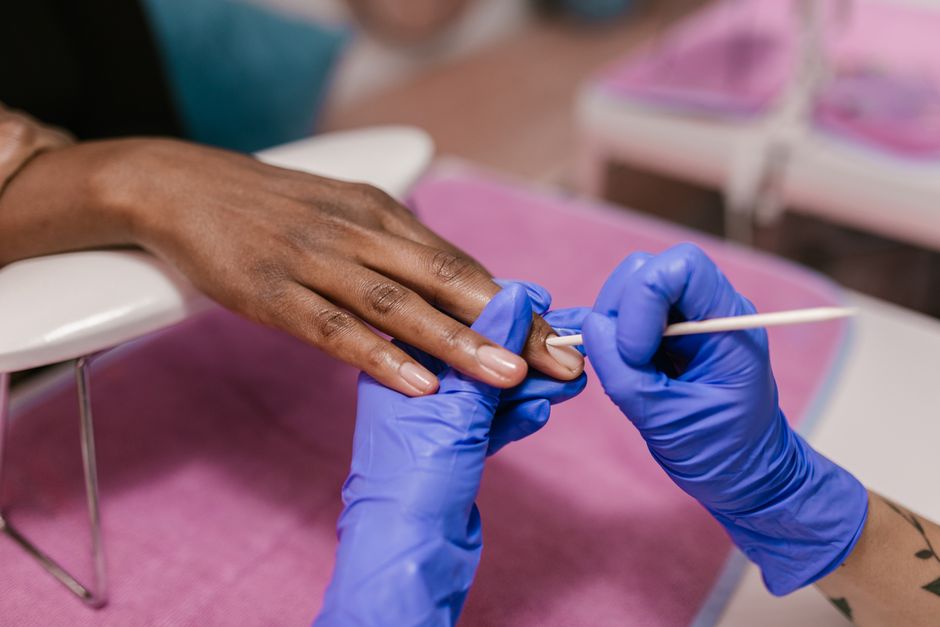
Henna stains the keratin in your nails the same way it dyes hair, which is why a fresh design can linger for weeks. There is no single remover that erases it instantly. The five methods below — filing, acetone soaking, whitening toothpaste, a baking soda paste, and a hydrogen peroxide soak — work by either wearing the stain down or gently oxidizing it away.
How long it takes depends on how deep the stain set and how long it has been there. A light design on the surface may lift in minutes. A dark, repeated application can take several sessions spread over days.
Why Henna Stains Nails So Stubbornly
Henna’s dye molecule binds to protein. Your nail plate is made mostly of keratin, a protein, so the lawsone in henna — the compound responsible for the reddish-brown color — attaches to it directly rather than sitting on top like polish.
That bond is the whole problem. Nail polish remover works because polish is a film resting on the surface. Henna is not a film. It has moved into the upper layers of the nail itself.
Natural henna is generally considered low-risk for most people, though allergic reactions to it do occur. So-called “black henna,” which often contains added chemicals, is a separate and more concerning product. If you have ever had a reaction to a henna product, do not attempt removal at home — talk to a doctor or dermatologist first.
Method 1: Gentle Filing and Buffing
Filing removes the topmost layer of the nail, and with it, some of the stained keratin. This is the least aggressive method and the best starting point for a light stain.
Use a fine-grit nail file or a soft buffer. Work in light passes over the stained area rather than pressing hard in one spot. Check your progress as you go.
Stop when the color fades or when the nail starts to feel thin. Over-filing thins the nail plate and can leave it sore and more prone to breaking. If your nails are already thin, brittle, or damaged, skip this method.
Filing is unlikely to remove a deep or long-standing stain completely. It is best used as a first step before one of the soaking methods below.
Method 2: Acetone Soaking
Pure acetone can loosen some henna stain, though it works far better on polish than on henna. It is worth trying on a moderate stain.
Soak a cotton ball in acetone and hold it against the nail for a few minutes, or soak your fingertips in a small bowl. Then wipe firmly with a cloth.
Acetone is a strong solvent. It strips oils from your skin and nails and can leave both dry and irritated. Keep the soak short, work in a ventilated space, and moisturize your hands afterward.
People with sensitive skin, cracked skin, or any open cut near the nail should avoid prolonged acetone contact. If your skin stings or turns red, stop.





Method 3: Whitening Toothpaste
Whitening toothpaste contains mild abrasives. Rubbing it into the stain with an old toothbrush or a soft cloth physically scrubs away a thin layer of stained nail surface.
Apply a small amount, scrub gently for a minute or two, then rinse. Repeat once or twice if needed.
This method is mild and low-risk for most people, which makes it a reasonable option for a faint stain or as a follow-up to filing. It will not touch a deep stain. Scrubbing hard does not speed it up — it just irritates the skin around the nail.
Method 4: Baking Soda Paste
Baking soda is another mild abrasive, and mixing it with a little water or lemon juice makes a paste that is easy to work into the nail.
Combine a small amount of baking soda with just enough liquid to form a paste. Rub it onto the stained nails with your fingers or a soft brush for a few minutes, then rinse.
Like toothpaste, this works by gentle abrasion rather than chemistry, so expect it to lighten a stain rather than erase it. Lemon juice adds acidity, which can be drying. If your skin is sensitive, use plain water instead.
Do not scrub so hard that the skin around the nail becomes raw. A few gentle rounds over several days is safer than one aggressive session.
Method 5: Hydrogen Peroxide Soak
Hydrogen peroxide is a mild oxidizing agent, and it can lighten henna stain by breaking down some of the dye. This is often the most effective of the at-home options for a stubborn stain.
Dilute hydrogen peroxide with an equal amount of water, then soak your fingertips for a few minutes at a time. Rinse well afterward and moisturize.
Handle it with care. Use the diluted solution, keep soaks brief, and avoid it if you have sensitive skin or any break in the skin near the nail. Never mix hydrogen peroxide with other household cleaners.
If you are unsure whether a product is safe for your skin, check the label or ask a pharmacist. Do not leave a strong solution on your skin for long periods.
Which Method Should You Try First?
Start with the gentlest option that matches how dark your stain is, then move up only if it does not work.
- Light stain: Start with whitening toothpaste or baking soda paste.
- Moderate stain: Try filing first, then a brief acetone soak.
- Deep or long-standing stain: A diluted hydrogen peroxide soak is often the most effective at-home option.
Whichever you choose, give your nails a break between attempts. Repeated soaking and scrubbing in one sitting damages the nail and the skin around it. Spacing sessions over several days is gentler and usually works better.
What Actually Removes Henna Fastest?
Nothing removes henna from nails instantly. The methods above lighten a stain over time rather than erasing it in one step. Filing and abrasives wear the surface down; acetone, peroxide, and time do the rest.
The single biggest factor is how deep the stain set. A fresh, light design on the surface responds quickly. A dark stain from repeated applications can take days of gentle sessions to fade noticeably.
There is no clinical evidence that any home remedy removes henna completely in a single application, despite what some viral posts suggest. Patience and consistency matter more than any one trick.
When to Stop and See a Professional
If your nails are painful, discolored in a way that does not match the henna, or show signs of infection such as swelling, pus, or a change in nail shape, see a doctor or dermatologist. These are not normal results of a henna stain.
A dermatologist can also advise on stubborn staining, especially if you have an underlying nail or skin condition. Do not keep scrubbing a nail that hurts.
How to Prevent Deep Henna Stains Next Time
The easiest way to avoid a long removal process is to limit how deeply the henna sets in the first place. You cannot prevent all staining, but you can reduce it.
Keep henna designs off the nail plate when possible, or apply a clear base coat before the design if you plan to remove it later. Wash the henna off sooner rather than leaving it on for extended periods.
If you use henna often, know that repeated applications build up color that is harder to remove each time. Let your nails recover between designs.
Frequently Asked Questions
Does nail polish remover take off henna?
Standard nail polish remover, which contains acetone, can loosen some henna stain but rarely removes it completely. It works far better on polish than on henna because henna binds to the nail protein itself.
How long does henna stay on nails?
A henna stain on nails can last from about one to several weeks, depending on how deep the stain set and how fast your nails grow. Nail growth gradually pushes the stained layer out.
Is it safe to soak nails in hydrogen peroxide?
Diluted hydrogen peroxide is generally used briefly for lightening stains, but it can irritate skin with prolonged or repeated contact. Keep soaks short, dilute it, and avoid it if you have sensitive skin or any break in the skin.
Can I remove henna from nails in one day?
No single method removes henna from nails in one day, especially a deep stain. Gentle methods used over several days are more effective and safer than aggressive scrubbing in one session.
