
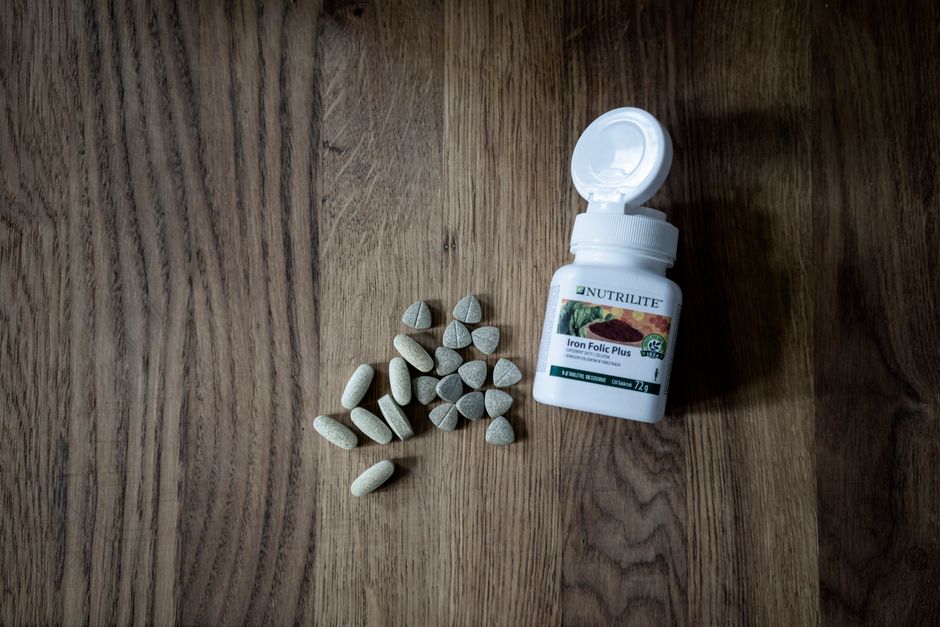
Folic acid is a synthetic form of folate, a B vitamin your body needs to make DNA and red blood cells. It is added to enriched grains, cereals, and many supplements. Removing it from your diet mostly means swapping fortified grain products for whole, unfortified alternatives and reading labels carefully. Most people do not need to avoid it, but some do so for medical reasons or personal preference.
Why Would Someone Want To Remove Folic Acid From Their Diet?
Folic acid is not the same as folate. Folate occurs naturally in foods like leafy greens and beans. Folic acid is the manufactured form added to fortified products. Your body processes them differently.
The main reason people limit folic acid is a medication interaction. Methotrexate, a drug used for rheumatoid arthritis, psoriasis, and some cancers, works by blocking folate. Taking folic acid supplements alongside it can reduce how well the drug works. Some clinicians still prescribe low-dose folic acid with methotrexate to reduce side effects, so this is a decision that belongs with a doctor, not a self-made diet change.
Other reasons include a diagnosed vitamin B12 deficiency. High folic acid intake can mask the anemia caused by B12 deficiency while nerve damage continues. This is a real clinical concern, though it applies mainly to people with existing B12 problems or those at risk.
A smaller group avoids folic acid because of a genetic variant called MTHFR. This enzyme helps convert folic acid into its active form. Some people with certain MTHFR variants process folic acid less efficiently. The evidence on whether this causes meaningful health problems, or whether avoiding folic acid helps, is mixed. Many researchers consider the clinical impact overstated in popular media.
If you are pregnant, trying to conceive, or could become pregnant, the calculation changes. Folic acid reduces the risk of neural tube defects, a serious birth defect affecting the brain and spine. Public health agencies recommend folic acid for this group for that reason. Do not remove it without talking to your doctor first.
How To Remove Folic Acid From Your Diet Food Swaps
The swap strategy is simple: replace fortified grain products with whole grains and fresh foods that either contain natural folate or were never fortified. The goal is to cut the synthetic form, not all folate.
Start with the biggest sources. In the US, enriched wheat flour, rice, cornmeal, and pasta are the main carriers of added folic acid. Breakfast cereals are another major source, with some products providing a full day’s worth in one bowl.
Here are practical swaps:
- White enriched bread → whole grain bread made from unfortified flour, or sourdough from a bakery that does not enrich
- Fortified breakfast cereal → plain oats, unsweetened shredded wheat without added vitamins, or eggs
- Enriched white rice → brown rice, quinoa, or wild rice
- Regular pasta → pasta made from whole wheat, chickpea, or lentil flour (check the label)
- Fortified orange juice → whole oranges
- Enriched cornmeal → stone-ground cornmeal without added vitamins
The catch is that whole grains and beans contain natural folate too. You are not eliminating folate. You are removing the synthetic form. For most people this distinction is the whole point.
How Do You Read Labels To Spot Folic Acid?
Folic acid hides in the ingredient list and the nutrition facts panel. You need to check both.
On the ingredient list, look for these terms:
- Enriched flour or enriched wheat flour
- Folic acid
- Folate
- Vitamin B9
- Pteroylglutamic acid
On the nutrition facts panel, check the folate line. If the product lists a percentage of daily value for folate and the ingredients include enriched flour, that number is mostly folic acid.
One detail worth knowing: the word “fortified” and “enriched” are not identical. Enriched means vitamins were added back after processing removed them. Fortified means vitamins were added that were not there originally. Both can mean folic acid is present. Neither term guarantees it, so the ingredient list is your real answer.
Products labeled “whole grain” can still contain enriched flour. Whole grain is a marketing-friendly term with a specific regulatory meaning, but it does not mean unfortified. Read the full ingredient list every time.





Which Foods Naturally Contain Folate Instead?
Natural folate comes from plants and legumes. It is absorbed differently than folic acid and does not carry the same masking concern for B12, though the research on that point is not fully settled.
Foods rich in natural folate include:
- Leafy greens: spinach, kale, romaine, collard greens
- Legumes: lentils, chickpeas, black beans, pinto beans
- Asparagus and Brussels sprouts
- Avocado
- Citrus fruits and papaya
- Broccoli
- Eggs, mainly in the yolk
These foods give you folate without the synthetic form. If your goal is to avoid folic acid while still getting adequate folate, this list is where your diet should lean.
One honest note: natural folate is less stable in cooking than folic acid. Boiling spinach can leach a good portion of its folate into the water. Steaming or eating greens raw preserves more. This is not a reason to avoid cooking them, just something to know.
Are There Risks To Cutting Folic Acid?
Yes, and they are worth taking seriously.
Folate deficiency causes megaloblastic anemia, a condition where red blood cells become large and cannot carry oxygen properly. Symptoms include fatigue, weakness, and shortness of breath. It can also cause mouth sores and, over time, neurological problems.
The recommended daily allowance for folate is 400 micrograms for most adults. Pregnant women need 600 micrograms, and breastfeeding women need 500 micrograms. These are established public health figures.
If you cut fortified foods without replacing them with folate-rich whole foods, you can fall short. This is especially true if you eat a limited diet, drink heavily, or take certain medications that interfere with folate absorption.
People on methotrexate, people with B12 deficiency, and anyone pregnant or planning pregnancy should not make this change without medical guidance. For everyone else, the risk of a well-planned swap diet is low, but it is not zero.
Does Removing Folic Acid Actually Help Anyone?
This is where honesty matters. The evidence is thin for most of the reasons people cite.
For methotrexate users, reducing folic acid intake is a real clinical consideration, though many doctors still recommend a small supplement to manage side effects. This is a balancing act that requires a physician.
For MTHFR variant carriers, the picture is murky. Some people report feeling better on a low-folic-acid diet. No large controlled trials have confirmed that avoiding folic acid improves health outcomes in this group. The mechanism is plausible, but plausibility is not proof.
For everyone else, there is no strong evidence that removing folic acid from a normal diet provides a benefit. Fortification exists because it reduced neural tube defects at a population level. That is a documented public health success.
If you are considering this change for a specific health reason, the most useful step is to talk to a doctor who knows your history. A diet change that feels harmless can interact with medication or mask a deficiency.
What About Supplements And Multivitamins?
Most multivitamins contain folic acid, often at 400 micrograms or more. Prenatal vitamins typically contain 600 micrograms. If you are trying to avoid folic acid, these are an obvious source.
Some supplements use methylfolate instead, which is the active form of the vitamin. Whether methylfolate is better than folic acid for most people is not established. Some studies suggest it may be better absorbed in people with certain MTHFR variants, but the clinical evidence is limited.
If you take a supplement and want to avoid folic acid, check the label for the form. “Folic acid” means synthetic. “Methylfolate” or “5-MTHF” means the active form. “Folate” is ambiguous and could be either.
Frequently Asked Questions
Is folic acid the same as folate?
No. Folate is the natural form found in foods like leafy greens and beans. Folic acid is the synthetic form added to fortified products and supplements.
Can I get enough folate without fortified foods?
Yes, if you eat a varied diet rich in leafy greens, legumes, and citrus. The recommended intake is 400 micrograms daily for most adults, which is achievable through whole foods.
Should pregnant women avoid folic acid?
No. Folic acid is recommended during pregnancy to reduce the risk of neural tube defects, and this guidance is well established. Talk to your doctor before making any change.
Does removing folic acid help with MTHFR?
The evidence is mixed. Some people with MTHFR variants report feeling better, but no large controlled trials have confirmed a benefit from avoiding folic acid.
