
Your body holds fluid in two main compartments, and how you remove excess depends on which one is overloaded. Fluid trapped in tissues — swelling in the legs, ankles, or hands — is called edema, and it usually comes from sodium and water balance, vein pressure, or a medical condition. Fluid in the bloodstream that makes you feel puffy or bloated is managed differently. Diet changes can help with mild fluid retention, but prescription diuretics are needed when the cause is heart, kidney, or liver disease. The two are not interchangeable, and taking diuretics without a medical reason can be dangerous.
How To Remove Fluid From Your Body Diet To Diuretics?
The single most effective dietary step is cutting sodium, because sodium holds water in your body. Most of the sodium Americans eat comes from packaged and restaurant food, not the salt shaker. The American Heart Association recommends no more than 2,300 mg of sodium per day, and ideally closer to 1,500 mg for people with high blood pressure.
When you reduce sodium, your kidneys can excrete more water. This is basic physiology, not a trick. Your body regulates fluid through a balance of sodium and potassium, and the kidneys adjust how much water they keep or release based on hormone signals.
Diuretics work by acting on the kidneys directly. They force the kidneys to excrete more sodium and water in urine. This is why they are effective for conditions like heart failure, where the body holds excess fluid that diet alone cannot fix. They are prescription drugs for a reason.
What diet changes actually help
Cutting sodium is the anchor. Beyond that, some eating patterns may help modestly.
- Reduce sodium: Cook more meals at home. Read labels. Watch for hidden sodium in bread, canned soup, deli meat, and cheese.
- Eat potassium-rich foods: Potassium helps your body balance sodium. Bananas, potatoes, beans, spinach, and yogurt are good sources. If you have kidney disease, ask your doctor before increasing potassium, because damaged kidneys can struggle to clear it.
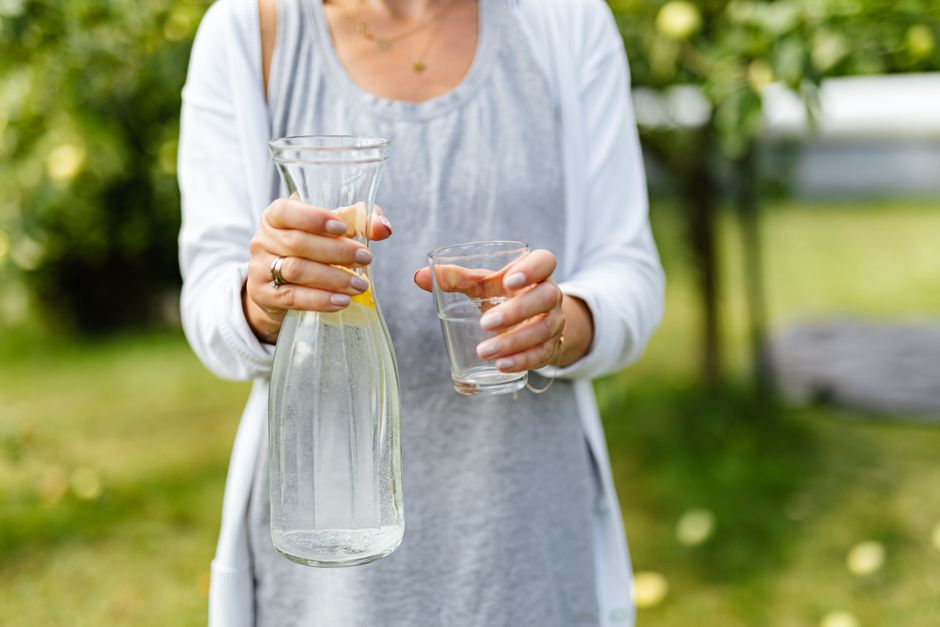
- Stay hydrated with water: Counterintuitively, drinking enough water can help your body release retained fluid rather than hold onto it. Severe fluid restriction is not a standard treatment for most edema and can be harmful.
- Limit alcohol: Alcohol can affect fluid balance and kidney function.
What diet cannot do is fix fluid retention caused by heart failure, kidney disease, liver cirrhosis, or a blood clot. In those cases, diet supports treatment but does not replace it. If swelling is new, sudden, or one-sided, get medical attention rather than adjusting your diet.
What Causes Fluid Retention in the First Place?
Fluid retention has many causes, and the right treatment depends on which one is driving it. The most common categories are:
- Lifestyle factors: High-sodium diet, sitting or standing for long periods, and hormonal changes around menstruation.
- Venous problems: Weak vein valves in the legs (chronic venous insufficiency) let fluid pool in the lower legs.
- Heart failure: The heart does not pump efficiently, so pressure builds and fluid leaks into tissues.
- Kidney disease: Damaged kidneys cannot remove sodium and water properly.
- Liver disease: Low protein production and pressure changes cause fluid buildup, often in the abdomen.
- Medications: Some blood pressure drugs, steroids, and diabetes medications can cause swelling as a side effect.
Swelling in one leg only is a different situation from swelling in both. One-sided swelling can signal a blood clot and needs urgent evaluation. Swelling in both legs that is new or worsening should also be checked, because it can be the first sign of a heart or kidney problem.
Do Natural Diuretics Actually Work?
Some foods and herbs have mild diuretic effects, but the evidence for most is limited. Coffee and tea contain caffeine, which can increase urine output modestly in people who do not drink it regularly. Dandelion, parsley, and celery seed are often mentioned, but large human trials confirming meaningful fluid removal are lacking.
No natural diuretic comes close to the effect of a prescription diuretic for treating medical fluid overload. If you have heart failure or kidney disease, herbs and foods will not replace prescribed medication, and stopping your medication to try them is dangerous.
Be cautious with herbal diuretic products. Some contain ingredients that can interact with prescription drugs or affect potassium levels. Talk to your doctor or pharmacist before adding any supplement, especially if you take medication for blood pressure, heart, or kidney conditions.





When Are Prescription Diuretics Needed?
Prescription diuretics are needed when fluid buildup is caused by a medical condition that diet cannot correct. The most common are heart failure, kidney disease, liver cirrhosis, and certain types of high blood pressure.
There are several classes. Thiazide diuretics are often used for high blood pressure. Loop diuretics are stronger and are commonly used for heart failure and significant fluid overload. Potassium-sparing diuretics keep potassium in the body while removing sodium and water. Each has different effects and risks, and the choice depends on your condition, kidney function, and other medications.
Diuretics are not a weight-loss tool. Using them to lose water weight is ineffective and can cause dehydration and electrolyte problems. They are also not appropriate for mild swelling from sitting too long or eating salty food.
If you are prescribed a diuretic, your doctor will likely monitor your kidney function and electrolyte levels with blood tests. This is standard practice, not optional. Diuretics can lower potassium or sodium too much, and monitoring catches that before it becomes a problem.
What Are the Risks of Diuretics?
Diuretics are effective but not risk-free. The main concerns are dehydration and electrolyte imbalance.
- Low potassium (hypokalemia): Common with thiazide and loop diuretics. Symptoms include muscle weakness, cramps, and irregular heartbeat.
- Low sodium (hyponatremia): Can cause confusion, headache, and in severe cases seizures.
- Dehydration: Too much fluid loss can drop blood pressure and cause dizziness or fainting.
- Kidney strain: Overuse can reduce kidney function, especially in people who are already dehydrated.
These risks are why diuretics are prescription-only and require monitoring. The benefits usually outweigh the risks when prescribed and monitored properly, but that balance depends on the individual.
Can You Remove Fluid Without Medication?
For mild fluid retention from diet or lifestyle, yes. Reducing sodium, moving more, and elevating your legs can help. Compression stockings can reduce swelling in the lower legs for people with venous insufficiency, though they should be fitted properly and used under guidance if you have circulation problems.
Regular physical activity helps because muscle movement in the legs pushes fluid back toward the heart. Walking is one of the most effective things you can do for mild leg swelling. Sitting or standing still for long periods works against you.
What you cannot do without medical help is safely remove significant fluid caused by heart, kidney, or liver disease. Those conditions require diagnosis and treatment. Trying to manage them with diet alone delays care and can be dangerous.
When Should You See a Doctor About Fluid Retention?
See a doctor if swelling is new, sudden, painful, or one-sided. Also seek care if swelling comes with shortness of breath, chest pain, or difficulty breathing when lying flat. These can be signs of heart failure or a blood clot.
Other reasons to get checked include swelling that does not improve with sodium reduction, swelling in the abdomen, or swelling along with weight gain over a short period. A physical exam and basic blood and urine tests can usually identify the cause.
Fluid retention is a symptom, not a diagnosis. Finding the cause matters more than finding a quick way to remove the fluid.
Frequently Asked Questions
How can I reduce fluid retention naturally?
Cutting sodium is the most effective dietary step, along with staying active and elevating swollen legs. Mild fluid retention from diet or sitting often improves with these changes within days to a couple of weeks.
What is the fastest way to get rid of water retention?
There is no safe fast fix for significant fluid overload, and rapid fluid loss can be dangerous. For mild retention, reducing sodium and moving more is the safest approach; prescription diuretics are used only under medical supervision for diagnosed conditions.
Do diuretics help you lose weight?
Diuretics remove water, not fat, so any weight lost is temporary and returns when you rehydrate. Using them for weight loss is not medically appropriate and can cause dehydration and electrolyte problems.
What foods act as natural diuretics?
Foods high in potassium, like bananas, beans, and leafy greens, help your body balance sodium, and caffeine can increase urine output modestly. No food matches the effect of a prescription diuretic for medical fluid overload.
