
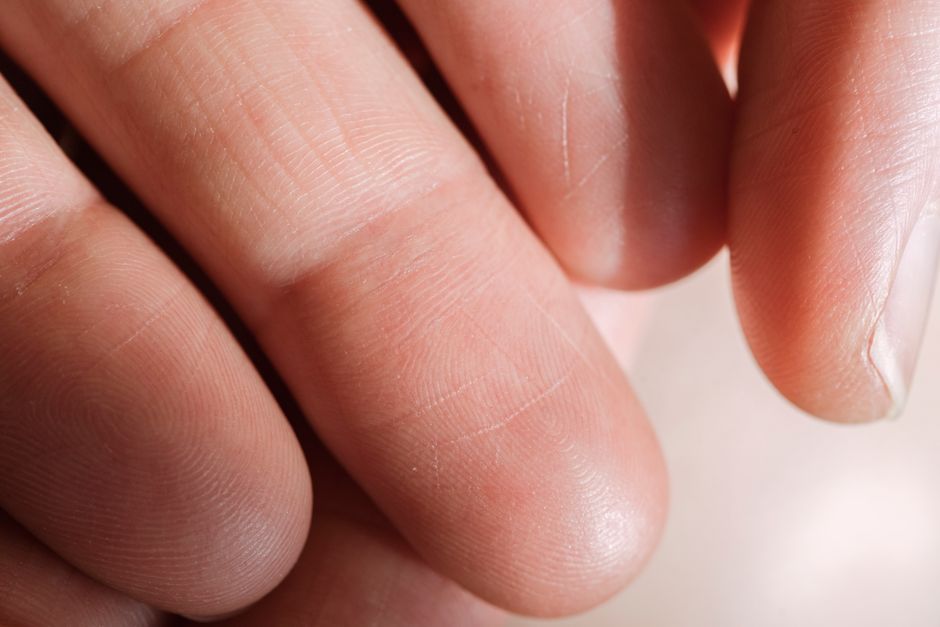
Fingerprint ink is stubborn because it is designed to be. It clings to the ridges of your skin and resists plain soap and water. The fastest way to remove it at home is to loosen the ink with an oil-based substance first — cooking oil, petroleum jelly, or a greasy hand cream — then wash it off with a soap that lifts oil. The oil breaks the pigment loose from the skin, and the soap carries it away.
Most people reach for alcohol or hand sanitizer first. That can work, but it often dries the skin and leaves a faint stain behind. The oil-first method tends to be gentler and more complete. You almost always have what you need in the kitchen or bathroom already.
How To Remove Fingerprint Ink From Fingers At Home
Fingerprint ink is not the same as the ink in a ballpoint pen. The ink used on fingerprint cards and standard ink pads is formulated to transfer cleanly onto paper and to stay put once it does. That is the whole point of it. So it sits in the fine grooves of your skin and holds on.
The reason oil works comes down to basic chemistry. Many fingerprint inks are oil-based or contain pigments suspended in a waxy, greasy base. Like dissolves like. A greasy substance on your hands can soften and lift a greasy ink. Water alone cannot, because water and oil do not mix. Soap helps because soap molecules have one end that grabs oil and another end that grabs water, letting you rinse the loosened ink away.
Here is a simple order to try:
- Apply a small amount of cooking oil, olive oil, or petroleum jelly to the stained fingers.
- Rub it in for 30 to 60 seconds. Let it sit for a minute or two if the stain is heavy.
- Add a grease-cutting dish soap and work it into a lather with the oil still on your skin.
- Rinse with warm water and repeat once if a faint mark remains.
Warm water matters more than people expect. Cool water makes oils thicker and harder to rinse. Warm — not hot — water keeps the oil fluid so it carries the ink away.
Does Hand Sanitizer or Rubbing Alcohol Work on Fingerprint Ink?
Alcohol-based products can remove some fingerprint ink, and many people find them convenient. The catch is that they work best on ink that has a solvent-friendly base and less well on heavy, waxy ink. They also strip the natural oils from your skin, which can leave hands dry, cracked, and sometimes more stained-looking because the skin is irritated.
If you want to try alcohol first, use it as a first pass, not the only step. Apply hand sanitizer or rubbing alcohol to a cotton ball, wipe the fingers, then follow with the oil-and-soap method to catch what is left. This combination tends to work better than either approach alone.
One thing worth knowing: alcohol is flammable. Keep it away from open flames, and do not use it near a gas stove or a lit candle. This is a real safety point, not a formality.
Can You Use Household Cleaners Like Bleach or Acetone?
Some household products will remove the ink, but several of them can harm your skin, and that trade-off is usually not worth it for a cosmetic problem.
Acetone, the main ingredient in nail polish remover, is an effective solvent for many inks. It also strips skin oils aggressively and can cause dryness, redness, and irritation, especially with repeated use. For most people, the oil-and-soap method is enough, and acetone is a last resort.
Bleach should not go on your skin. It is a corrosive chemical. It can cause chemical burns, and it is not designed for skin contact. Do not use it to remove ink.
Other products people try include:
- Hairspray — contains alcohol and can loosen light ink, but results vary.
- WD-40 or similar lubricants — these are petroleum-based and can lift ink, but they are not made for skin and should be washed off thoroughly with soap afterward.
- Lemon juice — mildly acidic and sometimes helps with light stains, but it is not a strong solvent.
If you use any non-skin product, wash your hands well afterward and watch for irritation. If your skin reacts, stop and rinse with plain water.
Why Does Fingerprint Ink Stain So Deeply?
Your fingertips are covered in ridges — the same ridges that make fingerprints possible. Those ridges create tiny valleys and peaks. Ink settles into the valleys and around the peaks, which is exactly why a fingerprint transfers so clearly onto paper.
The outer layer of your skin, the stratum corneum, is made of dead, flattened cells packed with a protein called keratin. Keratin and the oils on your skin both attract and hold onto many pigments. The ink is not just sitting on top. It is nestled into the texture and partly bound to the oily surface layer.
This is also why the stain fades on its own over a day or two. Your skin constantly sheds its outermost cells. As those cells flake away, the ink goes with them. You are not stuck with the stain forever — you are just speeding up a process your skin does anyway.
What If the Ink Will Not Come Off?
If a stain lingers after two or three rounds of oil and soap, it is usually because some ink has soaked into the upper layers of skin rather than sitting on the surface. In that case, time does most of the work. The stain fades as skin cells turn over, typically within a day or two.
A few gentle options can help in the meantime:
- Wash your hands normally a few times over the day. Each wash removes a little more.
- Use a soft nail brush or washcloth to gently lift surface ink. Do not scrub hard — irritation makes skin red and can make the stain look worse.
- Moisturize after washing. Dry, cracked skin holds onto stains longer and is more prone to irritation.
If your skin becomes painful, blistered, or badly red, stop whatever you are using and rinse with cool water. Persistent skin reactions are worth showing to a doctor or pharmacist. That is uncommon with the gentle methods described here, but it can happen with harsh solvents.
How Do You Prevent the Mess in the First Place?
If you know you will be fingerprinted — for a job, a license, or a background check — a little preparation saves cleanup. Ask whether gloves are available, or bring your own. Many fingerprinting locations provide wipes or lotion for afterward.
You can also apply a thin layer of lotion or petroleum jelly to your fingertips before the process. This creates a barrier so less ink binds to your skin. It does not interfere with a clean print in most cases, but check with the person taking the prints first, since some settings prefer dry fingers for accuracy.
Afterward, wipe your fingers with the provided towelette before you touch your phone, clothing, or car keys. Wet fingerprint ink transfers easily to fabric, and ink on clothing is much harder to remove than ink on skin.
Frequently Asked Questions
Does cooking oil really remove fingerprint ink?
Yes, oil is one of the most reliable home methods because many fingerprint inks have an oil or wax base, and oil helps lift them from the skin. Follow it with a grease-cutting soap and warm water to rinse the loosened ink away.
Is it safe to use acetone or nail polish remover on my fingers?
Acetone can remove ink but strips skin oils and often causes dryness and irritation, so it is best kept as a last resort. Do not use bleach on your skin under any circumstances.
How long does fingerprint ink stay on your skin?
With normal hand washing, most stains fade within a day or two as your skin sheds its outer cells. Gentle oil-and-soap cleaning usually speeds this up.
Will fingerprint ink come off with just soap and water?
Plain soap and water often leave a faint stain because water alone cannot break down oil-based ink. Adding an oil step first, then soap, removes far more of it.
