
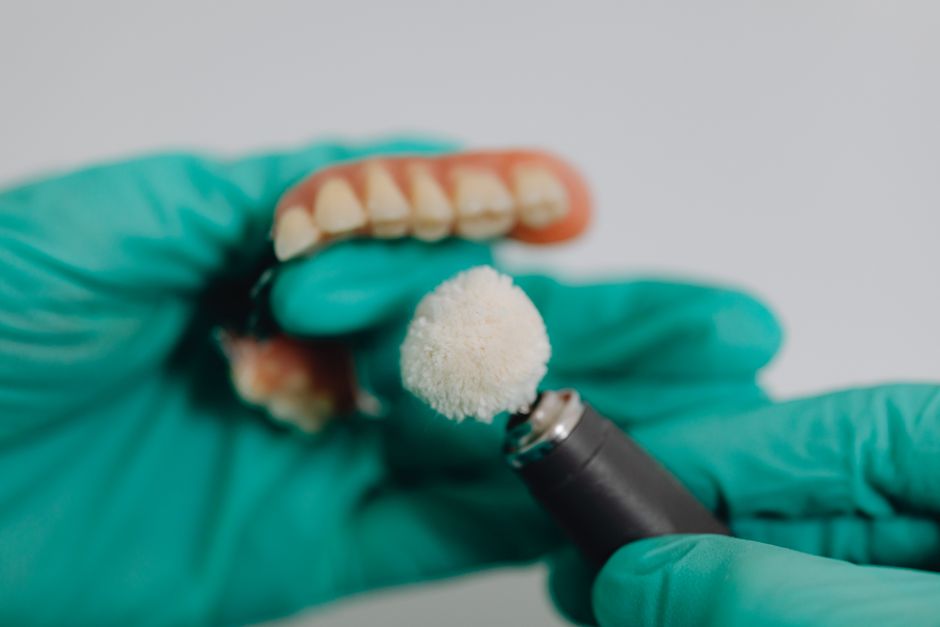
Removing dentures that are held in place with Fixodent means working against a sticky adhesive on purpose. The safe method is to swish warm water or a warm saltwater rinse around your mouth first, then gently rock the denture with your fingers or a denture removal tool until the seal breaks. Never pry with sharp objects, and never force a denture that will not move. If it stays stuck, keep rinsing and try again rather than pulling harder.
Most problems people have with Fixodent removal come from rushing. The adhesive is designed to hold for hours, so it does not release the moment you decide you are done for the day. Understanding how the product works makes the removal process much easier to manage.
How Does Fixodent Adhesive Actually Work?
Denture adhesives are not glue in the way most people picture glue. They are typically made from materials that absorb water and swell into a gel-like cushion between the denture and your gums.
Fixodent products generally use ingredients such as sodium carboxymethylcellulose, sometimes combined with petrolatum or mineral oil depending on the specific product. When these ingredients meet saliva, they take on water and become slippery and tacky at the same time. That combination is what holds the denture in place. It also explains why water is your best tool for removal — adding more water eventually pushes the material past the point where it can hold.
This is worth knowing because it changes how you approach removal. You are not trying to out-pull a glue. You are trying to rehydrate the adhesive until it lets go.
What Is the Safest Way To Remove Dentures With Fixodent?
Start with water, not force. A warm rinse is the single most effective step, and it is also the gentlest on your gums.
Here is the sequence that works for most people:
- Take a mouthful of warm water — not hot — and swish it around for 20 to 30 seconds. Warm saltwater works too and can soothe irritated gums.
- Spit the water out. Repeat once or twice if the denture still feels firmly seated.
- Place your thumb or index finger under the edge of the denture and apply slow, steady pressure. Rock it gently side to side rather than pulling straight down.
- If it lifts on one side, work that side first. Once air or water gets under the seal, the rest usually releases quickly.
- Use a denture removal tool if you have one. These have a small hook designed to catch the edge without your fingernails digging into your gums.
The key word throughout is gentle. Your gums are soft tissue, and they do not respond well to sudden force. Slow and steady beats strong every time.
What Should You Never Do When Removing a Stuck Denture?
Sharp objects are the biggest danger. People reach for toothpicks, forks, knives, or the tip of a nail file when a denture will not budge. These can cut your gums, scratch the denture acrylic, and in some cases crack the denture itself.
Other things to avoid:
- Pulling hard when one side is still sealed. This bends the denture and can distort how it fits.
- Using hot water. Hot water can warp the acrylic over time, and it can burn the soft tissues in your mouth.
- Ignoring pain. If removal hurts, stop and rinse again. Pain during removal usually means the adhesive is still holding or the denture is pressing on a sore spot.
- Leaving adhesive on overnight when your dentist has told you not to. Some clinicians advise removing and cleaning dentures at night so the gum tissue can rest. Follow the guidance you were given.
If a denture genuinely will not come out after several rounds of rinsing, that is a situation for your dentist, not for more force at home.





How Do You Get Fixodent Off Your Gums and Dentures?
Removal is only half the job. Adhesive residue left on your gums or the denture can cause irritation and affect how well the denture fits next time.
For your gums, a soft toothbrush and warm water are usually enough. Brush gently along the gum line where the adhesive sat. A warm saltwater rinse afterward helps clear anything loosened by brushing.
For the denture itself, hold it over a folded towel or fill the sink with water first — dropped dentures break, and this is one of the most common ways people damage them. Then:
- Rinse the denture under warm running water to remove loose adhesive.
- Use a soft denture brush with warm water. Avoid regular toothpaste, which can be abrasive on denture surfaces.
- For stubborn residue, a denture cleaning solution or a dedicated adhesive remover wipe can help. Follow the product instructions.
- Let the denture soak if residue is thick, then brush again.
Never use boiling water, bleach on metal parts, or abrasive scouring pads.
Why Does Fixodent Sometimes Make Removal Harder?
More adhesive is not better. This is the most common reason people struggle with removal.
Denture adhesive works best in small amounts — typically three or four pea-sized dots along the denture, not a continuous strip. When too much is applied, the excess squeezes out around the edges, spreads across the gums, and creates a much larger seal than intended. That larger seal takes longer to break down with water.
Other factors that make removal harder:
- Dry mouth. Less saliva means less natural breakdown of the adhesive throughout the day. If your mouth is dry, removal can be noticeably more difficult.
- Using a strong-hold formula when a lighter one would do.
- Leaving the adhesive on for much longer than the product directions suggest.
- A denture that no longer fits well, which encourages people to use more adhesive to compensate.
That last point matters. If you find yourself needing more and more adhesive to keep a denture in place, the issue is usually the fit of the denture, not the amount of adhesive. A dentist can assess whether the denture needs adjusting or replacing.
When Should You See a Dentist?
Occasional difficulty with removal is normal. Certain patterns are not.
Contact your dentist if you notice:
- Persistent pain, bleeding, or sores on your gums
- A denture that will not come out despite repeated rinsing
- A denture that has become loose or that you need increasing amounts of adhesive to hold
- Redness, swelling, or a burning feeling under the denture
- Damage or cracks in the denture
Long-term denture wearers can develop irritation and changes in the gum tissue beneath a denture that does not fit well. Regular dental checkups catch these early. Some clinicians recommend removing dentures overnight to give the tissue a rest, but the right schedule depends on your individual situation — ask your dentist what applies to you.
Does the Type of Fixodent Change How You Remove It?
Fixodent comes in several forms, and they do behave differently at removal time.
Powder adhesives tend to break down more quickly with water and often leave less residue. Creams and pastes hold longer and can be more stubborn. Strips and cushions are the easiest to remove because they lift out as a physical piece rather than dissolving into a gel.
If removal has been consistently difficult, a different form of adhesive may suit you better. This is a reasonable question for your dentist or pharmacist, since the right choice depends on how your denture fits and how much hold you actually need.
Frequently Asked Questions
Can I use hot water to loosen Fixodent faster?
No. Warm water works, but hot water can warp the denture acrylic and burn the soft tissue in your mouth. Stick with comfortably warm water and repeat the rinse if needed.
What if my denture is stuck and will not come out?
Keep rinsing with warm water and try gentle rocking again. If it still will not release after several attempts, contact your dentist rather than applying more force.
Is it safe to sleep with Fixodent still on my dentures?
Many dentists advise removing and cleaning dentures overnight so the gum tissue can rest, but the right routine depends on your situation. Follow the specific guidance your dentist gave you.
How do I get Fixodent residue off my gums?
Brush gently along the gum line with a soft toothbrush and warm water, then rinse with warm saltwater. A soft brush clears residue without irritating the tissue.
