
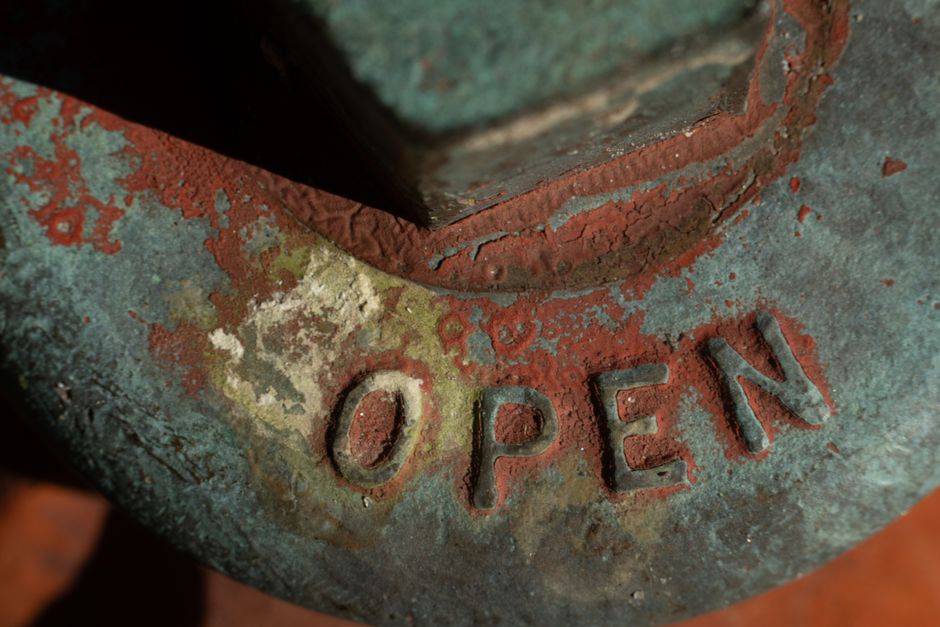
Copper corrosion — the green or brownish layer that forms on pennies, pipes, pots, and jewelry — is usually copper oxide or copper carbonate, and it can be removed at home with mild acids and gentle abrasion. White vinegar, lemon juice, salt, and baking soda are the standard household materials. The method depends on whether you are cleaning a solid copper object or dealing with corrosion on a pipe that carries water, because those two situations carry very different risks.
What Is the Green or Brown Layer on Copper?
The greenish film on copper is called patina, and its most common form is a mix of copper compounds that form when the metal reacts with oxygen, water, and gases in the air. The brown or black coating that appears first is usually copper oxide. With more time and moisture, that oxide can convert into green copper carbonate or copper sulfate.
This is ordinary chemistry, not a sign the metal is ruined. Copper is a reactive metal, and it oxidizes the same way iron rusts — just more slowly and with different results. The green layer actually protects the copper underneath to some degree. Unlike rust on iron, which flakes away and keeps eating into the metal, copper patina tends to stay put as a surface layer.
That protective quality matters for a practical reason. If you own something like a copper roof or a decorative piece where you like the aged look, you do not have to remove the patina at all. Cleaning is a choice, not a necessity, for most solid copper objects.
One thing worth separating out: the bright green, powdery, crusty material that forms on copper pipes and fittings is a different situation. That is often a sign of an active leak or ongoing moisture exposure, and it needs attention as a plumbing issue, not a cleaning issue. More on that below.
How To Remove Corrosion From Copper At Home
The safest general approach combines a mild acid with gentle abrasion. Acid dissolves the oxidized layer, and a soft abrasive lifts it off without gouging the metal. Here is a method that works for most solid copper items like pots, jewelry, and decorative pieces.
- Start with a wash. Clean off dirt and grease with warm water and dish soap first. Acid cleaners work poorly on a greasy surface.
- Make an acid paste or bath. Either soak the item in white vinegar or lemon juice for several minutes, or make a paste from equal parts salt and vinegar or salt and lemon juice.
- Apply and wait. Spread the paste on the corroded areas and let it sit for a few minutes. You should see the green or dark layer start to loosen.
- Rub gently. Use a soft cloth, a sponge, or an old toothbrush. Avoid steel wool and stiff metal brushes, which scratch copper.
- Rinse thoroughly. Rinse with plain water and dry completely with a soft cloth. Any acid left behind can keep reacting with the metal.
For light tarnish on jewelry or small items, a paste of baking soda and water is a gentler option. Baking soda is mildly alkaline rather than acidic, so it works more by gentle abrasion than by dissolving the oxide. It is a good choice when you want to go slowly and avoid any risk of acid damage.
Salt speeds up the acid’s action, which is why the salt-and-vinegar combination is popular. It is also why you should not leave the mixture on longer than needed. Salt plus acid plus copper, left in contact, can cause pitting over time if the item is not rinsed well.
Does Vinegar Really Remove Copper Corrosion?
Yes — vinegar is one of the most reliable household options for copper because its acetic acid reacts with copper oxide and copper carbonate and dissolves them. This is well-established chemistry, not folklore. The reaction is fast enough that you can often see the green layer lift within a few minutes.
Lemon juice works for the same reason. Its citric acid does the same job. Some people find lemon juice slightly gentler on the metal’s finish, though both are acids and both should be rinsed off completely.
The limits are worth knowing. Vinegar handles surface tarnish and light patina well. It is much less effective on thick, crusty, long-built-up corrosion, which may need repeated applications or a commercial copper cleaner. And vinegar will not fix corrosion that is coming from an ongoing moisture problem — it will just come back.
Can You Clean Corroded Copper Pipes the Same Way?
No. Cleaning corrosion off a copper water pipe is a different problem from cleaning a copper pot, and the stakes are higher. The green crust on a pipe fitting is usually a sign of a slow leak or condensation that keeps the metal wet. Removing the visible corrosion does not fix the cause.
There is also a real safety dimension. Copper pipe corrosion can, over time, contribute to copper entering drinking water. The U.S. Environmental Protection Agency sets an action level for copper in drinking water at 1.3 milligrams per liter, and the agency requires water systems to monitor for it. That is a public health standard, not a home-cleaning target, but it explains why pipe corrosion deserves more than a scrub.
What to do instead: find and fix the source of moisture. That might mean repairing a joint, addressing condensation, or checking water chemistry. A plumber can assess whether a fitting is failing. Do not sand or scrub a pressurized pipe to “clean” it — you can thin the wall or loosen a joint. If you suspect copper in your water, contact your water utility, and consider having your water tested.
What Should You Avoid When Cleaning Copper?
Avoid anything harsher than the corrosion requires. Copper is a relatively soft metal, and aggressive cleaning removes metal along with the tarnish. Strong acids, including some commercial descalers, can pit the surface. Abrasive powders and steel wool leave scratches that trap moisture and make future corrosion more likely.
Bleach is a specific one to keep away from copper. Chlorine-based cleaners can react with copper in ways that damage the surface, and mixing bleach with acids like vinegar produces dangerous chlorine gas. Never combine them, even in small amounts.
Also skip the dishwasher for most solid copper cookware. Dishwasher detergents are often alkaline and can discolor copper, and the heat and moisture are not kind to the finish. Hand washing and immediate drying are gentler.
One more caution that gets overlooked: do not use copper cookware to store acidic foods for long periods. Acidic foods react with copper, and copper can leach into food. Many copper pans are lined with another metal like tin or stainless steel for exactly this reason — if the lining is worn or scratched, the pan should not be used for cooking until it is relined.
How Do You Keep Copper From Corroding Again?
Dry is the main answer. Copper corrodes faster when it stays wet, so drying items completely after washing removes the moisture the reaction needs. Store copper cookware and jewelry in a dry place rather than a damp cabinet.
A thin protective coating can slow tarnish on decorative pieces. Some people apply a light coat of a food-safe oil to copper cookware, or a wax to decorative items. These slow the process but do not stop it, and they need reapplying.
For items you want to keep bright, plan on periodic light cleaning rather than waiting for heavy corrosion to build up. Light tarnish comes off easily. Thick patina takes more work and more aggressive treatment, which is harder on the metal.
And be realistic about patina. Some copper is meant to age. The green layer on a copper planter or an old decorative piece is often part of its character, and leaving it alone is a perfectly reasonable choice.
Frequently Asked Questions
Does baking soda remove green corrosion from copper?
Baking soda can help with light tarnish by gentle abrasion, but it is less effective than vinegar or lemon juice at dissolving the green oxidized layer. A paste of baking soda and water is a good gentle option for small or delicate items.
Is green corrosion on copper dangerous to touch?
Touching copper patina is not considered a health hazard, but it can leave green marks on skin and should be washed off. The bigger concern is corrosion on drinking water pipes, which is a plumbing and water-quality issue rather than a skin-contact one.
Can I use vinegar and salt on copper pipes?
No, you should not scrub corrosion off a pressurized water pipe with vinegar and salt. The crust usually signals a leak or ongoing moisture, and the fix is repairing the cause rather than cleaning the surface.
Why does my copper keep turning green after I clean it?
Because moisture and air are still reaching the metal, so the oxidation reaction simply restarts. Keeping the item dry and storing it away from damp conditions slows it down.
