
A callus on your big toe is a patch of thick, hardened skin your body builds to protect itself from repeated pressure or friction. You can remove it step by step: soften the skin with warm water, gently file the dead layer with a pumice stone or emery board, apply a moisturizer, and then fix the pressure that caused it in the first place. Skip the blades, corn plasters, and salon razors — gentle reduction plus a change in footwear is what actually works.
That last part matters more than most people realize. A callus is a symptom, not the problem. If the pressure stays, the callus comes back.
What Is a Callus on the Big Toe, Exactly?
A callus is an area of thickened stratum corneum — the tough outer layer of skin. When skin is squeezed or rubbed repeatedly, cells in that layer multiply faster and pack together more densely. The result is a hard, yellowish, often slightly raised patch.
On the big toe, calluses usually form in two places. One is the outer edge or side of the toe, where it presses against your second toe or the inside of your shoe. The other is the top of the joint, where a shoe’s upper rubs against bone.
A callus is not the same as a corn. A corn is a small, sharply defined cone of hard skin with a central core that presses inward and can be painful. Corns tend to be smaller and more focused. Calluses are broader and flatter. Both come from pressure, but they behave differently and are treated differently.
It is also worth knowing that not every hard lump on a toe is a callus. A plantar wart, a cyst, or a bone spur can look similar at a glance. If a spot is painful when squeezed from the sides, bleeds, or changes, have a clinician look at it before you start filing.
How To Remove Callus On Big Toe: Step by Step
Here is the process, in order. It is simple, but the order matters and the gentleness matters more.
Step 1: Soften the skin
Soak your foot in warm — not hot — water for about 10 to 15 minutes. This hydrates the dead skin and makes it easier to remove without tearing healthy tissue. A little mild soap is fine. Do not add anything harsh or caustic.
Step 2: File gently
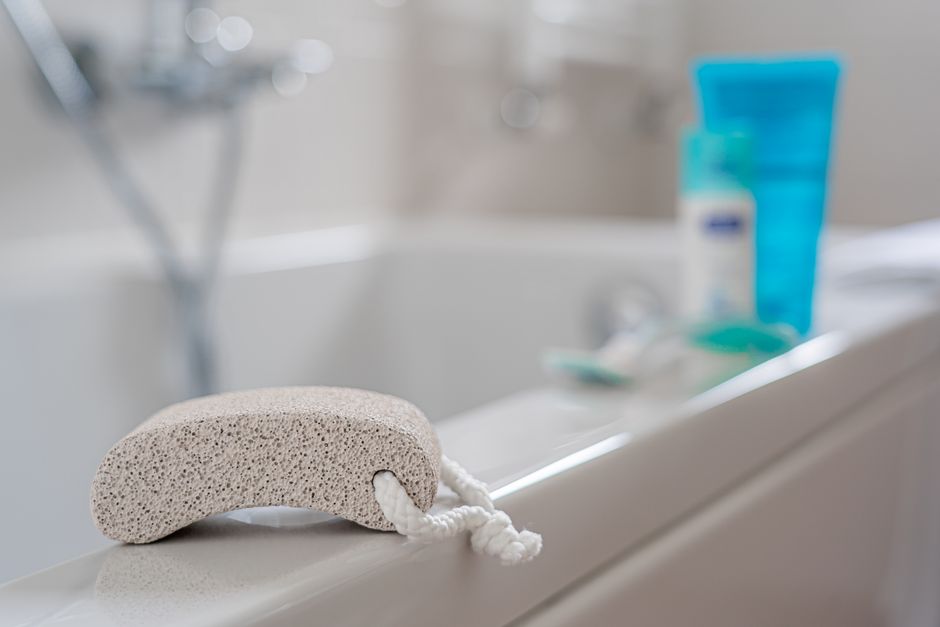
Use a pumice stone, a foot file, or a clean emery board. Wet the tool first. Rub it over the callus in one direction with light pressure. Stop after a short session — a minute or two is plenty. You are trying to thin the top layer, not remove the whole thing in one go.
Never use a razor, blade, callus shaver, or knife at home. This is the single most common way people injure themselves. Cutting too deep causes bleeding, opens the door to infection, and is especially dangerous if you have diabetes or poor circulation. Podiatrists do use blades, but they are trained to judge depth and to work safely. That skill does not transfer to a bathroom.
Step 3: Moisturize
Pat the foot dry and apply a thick moisturizer. Products containing urea or salicylic acid are commonly used for calluses because they help soften keratin. Urea is generally well tolerated. Salicylic acid can irritate surrounding skin, so apply it only to the callus. If you have diabetes or reduced sensation in your feet, check with a clinician before using salicylic acid products — the risk of skin damage is higher when you cannot feel what is happening.
Step 4: Repeat over days, not minutes
One session will not remove a mature callus, and it should not. Repeat the soak-file-moisturize routine every few days. Improvement typically builds over weeks. Trying to rush it is how people end up with sore, raw skin.
Step 5: Fix the pressure
This is the step most people skip, and it is why calluses return. Look at what is pressing on your big toe.
- Shoes that are too narrow in the toe box squeeze the toes together.
- High heels shift weight onto the front of the foot.
- A toe that curves inward (a bunion or hammertoe) creates a bony point that rubs.
- How you walk can load one side of the toe more than the other.
Wider shoes with a roomy toe box, softer uppers, and padding or toe separators can reduce friction. Some people benefit from a podiatrist-made insert or a custom orthotic that redistributes pressure. None of this removes a callus directly, but it removes the reason it forms.
Why Does a Callus Keep Coming Back?
A callus returns because the force that made it never stopped. Removing the thickened skin is like wiping a mark off a wall — if the thing pressing against the wall is still there, the mark reappears.
This is why some calluses resist months of filing. The skin is doing exactly what it is designed to do. The fix is mechanical: change the load. For some people that means different shoes. For others it means addressing a toe deformity that only surgery can correct — though surgery is a decision for a specialist, not a first step.
There is a useful distinction here. A callus that comes back in the same spot despite good shoes and gentle care is a signal to get the foot examined. It may be telling you something about your foot structure or your gait that is worth understanding.





When Should You See a Doctor Instead?
Some calluses should not be self-treated. See a clinician — ideally a podiatrist — if any of the following apply.
- You have diabetes, peripheral artery disease, or nerve damage in your feet.
- The skin is cracked, bleeding, or looks infected (red, warm, swollen, or draining).
- The callus is very painful or limits how you walk.
- You cannot tell whether it is a callus or something else.
- You have tried gentle home care for several weeks with no improvement.
The diabetes point deserves emphasis. Reduced sensation in the feet means you may not feel a cut or a developing ulcer. For people with diabetes, even minor foot injuries can become serious quickly, and clinical guidance consistently recommends that foot care — including callus removal — be handled by a trained professional rather than at home.
What Actually Works and What Does Not
Gentle, repeated reduction with a file or pumice, plus moisturizing and better footwear, is the approach most consistent with how calluses behave. It is not glamorous, but it addresses both the skin and the cause.
Several popular methods are worth treating with caution:
- Medicated corn plasters contain salicylic acid in a concentrated form. On a callus, and especially on skin with poor circulation or sensation, they can damage healthy tissue and cause ulcers. They are not a casual over-the-counter fix.
- Cutting or shaving at home risks infection and does not prevent recurrence.
- Soaks with vinegar, baking soda, or other home mixtures have no strong evidence behind them. Warm water alone does the job.
- Products marketed to “dissolve” calluses soften keratin at best. No topical product removes the pressure that caused the callus.
No clinical evidence currently confirms that any single home remedy removes a callus permanently. What the evidence supports is consistent gentle care combined with removing the source of friction.
Can You Prevent a Callus on the Big Toe?
Prevention is more reliable than removal. If you are prone to calluses, a few habits make a real difference.
Choose shoes with a toe box wide enough that your toes lie flat and do not overlap. Shop later in the day, when feet are slightly larger. Break in new shoes gradually. Keep the skin moisturized so it stays flexible rather than dry and brittle. Wear moisture-wicking socks to reduce friction.
If you have a bunion or a toe that rubs, protective padding or toe separators can cushion the spot. These do not change the underlying shape, but they can reduce the daily friction that builds a callus.
And check your feet regularly — especially if you have diabetes or circulation problems. Catching a small area of thickening early is far easier than dealing with a deep, painful callus later.
Frequently Asked Questions
How do you get rid of a hard callus on your big toe fast?
Soak the toe in warm water for 10 to 15 minutes, then gently file the softened skin with a pumice stone. You cannot safely remove a mature callus in one session, and trying to will damage healthy skin.
Can I cut off a callus on my big toe with a razor?
No. Cutting calluses at home with a razor or blade can go too deep, cause bleeding, and lead to infection. Leave cutting to a podiatrist and use gentle filing instead.
Why does my big toe callus keep coming back?
It returns because the pressure or friction that caused it is still there. Changing to wider shoes, adding padding, or addressing a toe deformity is what stops it from reforming.
Are corn plasters safe for a callus on the big toe?
They carry real risk, especially if you have diabetes or poor circulation, because the salicylic acid can damage healthy skin and cause ulcers. Ask a clinician before using one.
