
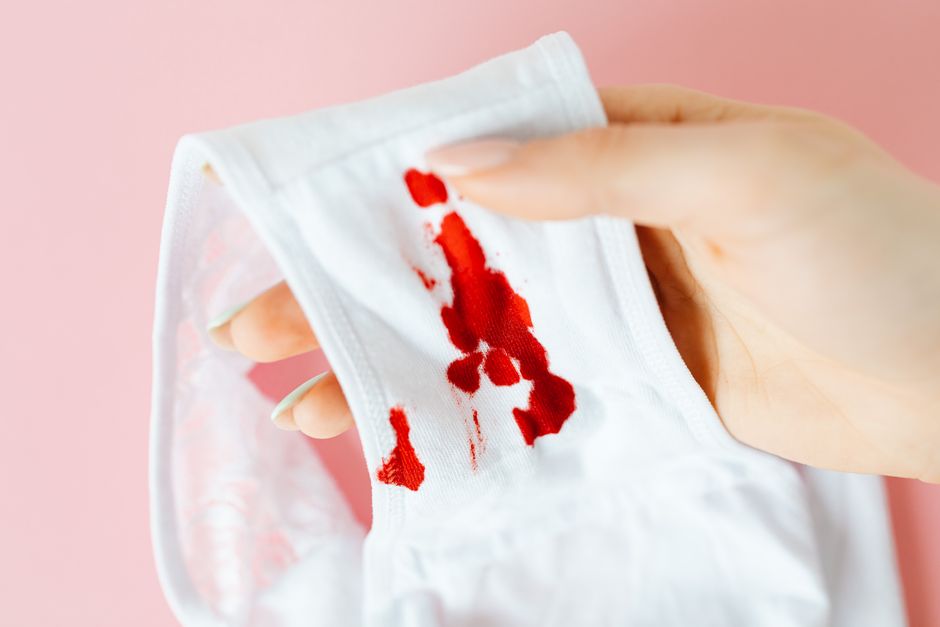
Blood stains are one of the few stains where the wrong first move makes the stain permanent. The reason is simple: blood contains proteins, and heat sets proteins. Rinsing a fresh stain in cold water and treating it before it dries removes it in most cases. Hot water, a hot dryer, or an iron will cook those proteins into the fabric fibers, and at that point the stain may never come out completely.
Here is the step-by-step method that works on most washable fabrics, followed by what to do when the stain has already dried or been heated.
Why Cold Water Matters More Than Any Product
Blood is roughly half water and half solids, and the solids are mostly protein. The same principle that turns a raw egg from liquid to solid when you cook it applies to blood on fabric. Heat changes the shape of protein molecules and causes them to bind together and lock onto the fibers.
That is why the single most important rule is cold water first. Not warm. Not “lukewarm to be safe.” Cold. Once the protein has set, no detergent can reverse the change — it can only try to lift what remains.
This also explains why you should never put a blood-stained item in a dryer or run it through a hot wash cycle until you are certain the stain is gone. If any trace remains, heat will fix it permanently. Air-dry instead, and check the fabric in good light before it goes anywhere near a machine dryer.
How To Remove Blood Stains From Clothes: Step by Step
Work quickly, but do not panic if some time has passed. Fresh stains are easier, but dried blood is still often removable with patience.
- Step 1 — Blot, do not rub. Use a clean white paper towel or cloth to blot up as much wet blood as possible. Rubbing pushes blood deeper into the weave and spreads the stain.
- Step 2 — Flush with cold water. Hold the stained area under cold running water. Let the water push through the fabric from the back side if you can, so it pushes the blood out rather than through. Keep going until the water runs mostly clear.
- Step 3 — Apply a pretreatment. Rub in a small amount of liquid laundry detergent, a dedicated stain remover, or a bar of plain soap. Let it sit for about 15 minutes. Do not let it dry out.
- Step 4 — Work it gently. Use your fingers or a soft brush to work the detergent into the fibers. Gentle circular motions, not hard scrubbing.
- Step 5 — Rinse again in cold water. Check the stain. If it has faded but not vanished, repeat steps 3 and 4.
- Step 6 — Wash as usual, but cold. Once the stain is gone, wash the item on a cold cycle with your normal detergent.
- Step 7 — Air-dry and inspect. Before any heat touches the fabric, confirm the stain is fully gone. If you see any trace, repeat the treatment.
For most fresh stains on washable fabric, this sequence handles it. The variable that matters most is time — the sooner you start, the less work it takes.
What Works on Dried Blood Stains
Dried blood is harder, but “harder” is not “impossible.” The protein has bonded to the fibers more firmly, so you need to rehydrate it before you can lift it.
Soak the item in cold water for at least 30 minutes, and longer if the stain is old. Some people add a scoop of oxygen-based bleach (the kind labeled “oxygen” or “color-safe,” not chlorine bleach) to the cold soak. Oxygen bleaches work by releasing oxygen that breaks down stain compounds, and they are generally gentler on fabric and color than chlorine bleach.
After soaking, treat the stain the same way as a fresh one: detergent, gentle agitation, cold rinse, repeat. Dried stains sometimes need several rounds. That is normal. What you should not do is escalate to hot water or chlorine bleach in frustration — both can make the situation worse or damage the fabric.
Enzyme-based detergents are worth trying on dried stains. These contain proteins called enzymes that break down specific stain types, including protein-based ones. They are not a guarantee, but they are designed for exactly this kind of stain.





Which Products Actually Help — and Which Do Not
Not every home remedy is equal, and some are actively counterproductive.
- Liquid laundry detergent: The most reliable option. Apply undiluted, let it sit, rinse cold.
- Enzyme-based stain removers: Designed to break down proteins. Reasonable first choice for dried stains.
- Oxygen bleach: Useful as a cold soak additive. Check the label for fabric compatibility.
- Hydrogen peroxide (3%): Often recommended, and it can help on light-colored fabrics. It can also bleach or lighten some dyes, so test on a hidden area first. It is not appropriate for all fabrics.
- Meat tenderizer: Contains enzymes that break down protein, which is why it shows up in home remedy lists. There is no strong clinical or consumer-product evidence that it outperforms enzyme detergents, and it can be hard to rinse out completely. Skip it.
- Hot water: Sets the stain. Never use it on blood.
- Chlorine bleach: Can damage protein fibers like silk and wool and can react with blood residue to leave a yellow mark. Generally avoid.
If you are unsure about a product on a specific fabric, test it on an inside seam or hem first. Wait a few minutes and check for color change.
Special Fabrics and Surfaces
Not everything can go in a washing machine, and the approach changes for delicate materials.
Silk and wool are protein fibers themselves. Harsh detergents, chlorine bleach, and hot water can damage the fabric itself, not just the stain. Use a mild detergent made for delicates, cold water, and very gentle handling. When in doubt, a professional cleaner is the safer choice.
Leather should not be soaked. Blot the stain with a damp cloth and a tiny amount of mild soap, then wipe clean and let it air-dry away from heat. Leather can stain or stiffen if it gets saturated.
Mattresses, upholstery, and carpet follow the same cold-water principle. Blot, apply a small amount of detergent solution, work it in gently, and blot up with a clean damp cloth. Avoid over-wetting, which can push the stain deeper or cause moisture problems underneath.
Non-washable garments — anything labeled “dry clean only” — are best taken to a professional. Home treatment risks setting the stain or damaging the fabric.
Common Mistakes That Make Blood Stains Permanent
Most failed attempts come down to a handful of avoidable errors.
- Using hot water at any stage.
- Rubbing instead of blotting, which spreads the stain and pushes it deeper.
- Letting detergent dry on the fabric before rinsing.
- Putting the item in the dryer before confirming the stain is fully gone.
- Using chlorine bleach on protein-based stains or delicate fabrics.
- Waiting days before treating a fresh stain.
The dryer mistake is the most common and the most costly. A stain that looks faint when wet can look far more obvious after heat has set it. Always air-dry first.
Frequently Asked Questions
Does hydrogen peroxide really remove blood stains?
It can help on some light-colored fabrics because it breaks down blood compounds, but it can also lighten or bleach dyes. Test it on a hidden area first, and do not use it on silk, wool, or dark colors without checking.
Can I remove a blood stain that has already been through the dryer?
Sometimes, but it is much harder because heat sets the protein into the fibers. Soak in cold water with an enzyme detergent or oxygen bleach for several hours, then treat and rinse cold, repeating as needed.
Is cold water really necessary, or will warm water work?
Cold water is necessary. Warm or hot water causes the blood proteins to set into the fabric, which makes the stain far harder or impossible to remove.
What if the blood stain is on a delicate fabric like silk?
Use only cold water and a mild detergent designed for delicates, and handle the fabric very gently. If the item is valuable or the stain is old, a professional cleaner is the safer option.
