
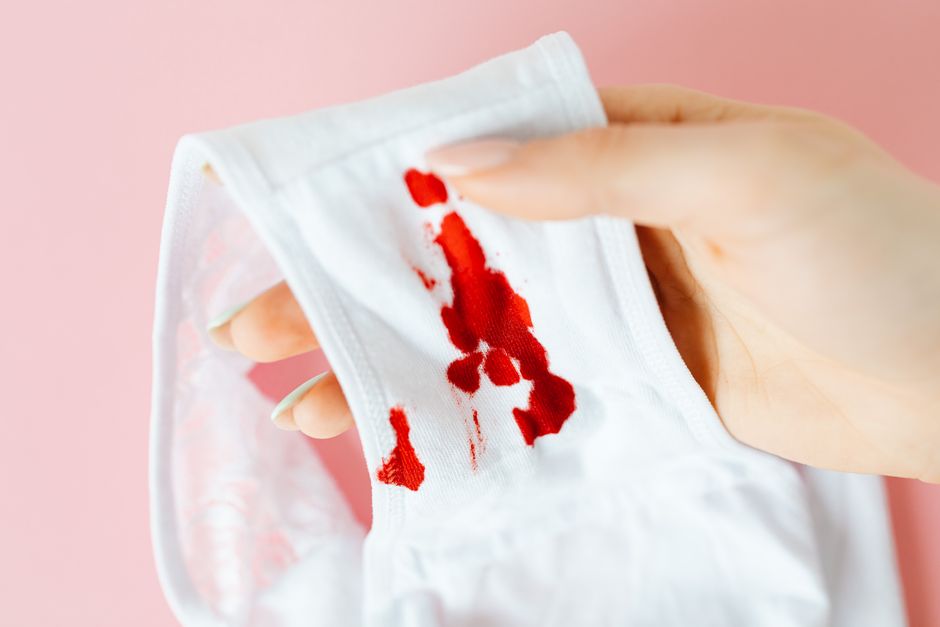
Betadine stains look worse than they are. The dark brown color comes from an iodine compound, and it will fade on its own over time. But you do not have to wait. Most fresh Betadine stains come out with soap, warm water, and gentle rubbing. Dried stains need a little more help, often with rubbing alcohol or a vitamin C solution. The method depends on the surface, and this guide walks through each one.
What Makes Betadine Stains So Stubborn?
Betadine is the brand name for povidone-iodine. It is an antiseptic used on skin before surgery or to treat minor wounds. The active ingredient releases iodine, which kills bacteria. That same iodine is what leaves the orange-brown mark.
The stain is not like food or dirt. Iodine binds to proteins and fibers. On skin, it soaks into the outer layer. On fabric, it can penetrate the threads. On hard surfaces, it leaves a film that dries quickly.
Here is the good news: iodine stains are chemically reactive. They respond to reduction, which is why vitamin C works so well. Vitamin C changes the iodine into a colorless form. This is not a trick. It is basic chemistry that has been understood for decades.
How To Remove Betadine Stains From Any Surface: Start With Skin
Skin is where Betadine is most often applied. If you had surgery or a procedure, you may have a brown patch that will not wash off. Do not scrub hard. The stain is in the top layer of skin cells, and those cells shed naturally within a few days.
For faster removal, wash the area with mild soap and warm water. Use a soft cloth and gentle circular motions. This lifts the surface film without damaging skin.
If the stain remains, try isopropyl rubbing alcohol. Apply it to a cotton ball and dab the area. Rinse with water afterward. Alcohol breaks down the povidone-iodine compound quickly. Avoid using alcohol on broken skin, fresh wounds, or sensitive areas like the face.
Another option is a paste made from baking soda and water. Apply it, let it sit for a few minutes, then rinse. This works as a mild abrasive. Do not rub hard enough to turn skin red.
Removing Betadine Stains From Clothing and Fabric
Act fast with fabric. Fresh stains are much easier to remove than dried ones. If Betadine spills on clothing, rinse the spot under cold running water immediately. Cold water prevents the stain from setting. Hot water can cook the iodine into the fibers.
After rinsing, apply liquid laundry detergent directly to the stain. Gently rub the fabric against itself. Let it sit for five to ten minutes, then wash as usual.
For dried stains, rubbing alcohol is the most reliable option. Place the fabric over a clean white towel. Dab the stain with a cotton ball soaked in alcohol. The stain should transfer to the towel underneath. Rinse thoroughly and wash normally.
Test any method on a hidden seam first. Some dyes react badly to alcohol. If the fabric is silk, wool, or delicate, consider professional cleaning instead.





How To Remove Betadine Stains From Hard Surfaces
Countertops, tiles, sinks, and bathtubs can all end up with Betadine stains. These surfaces are non-porous, which makes them easier to clean than fabric.
Start with warm soapy water and a sponge. Most fresh stains lift with simple wiping. For dried stains, make a paste of baking soda and water. Apply it to the stain and let it sit for five minutes. Scrub gently with a soft sponge, then rinse.
Rubbing alcohol also works on hard surfaces. Apply it to a cloth and wipe the stained area. Follow with soap and water to remove any residue.
A vitamin C solution is highly effective on hard surfaces. Crush a 500 mg vitamin C tablet and dissolve it in a small amount of water. Apply to the stain and watch it disappear within seconds. Rinse well afterward. This method is safe for most sealed surfaces but test in an inconspicuous area first.
Avoid abrasive scrubbers on glossy or polished surfaces. They can leave fine scratches that trap future stains.
Does Bleach Remove Betadine Stains?
Bleach is not a good first choice. Chlorine bleach can react with iodine and actually make the stain worse. It can also damage colored fabrics and some hard surfaces.
If you are considering bleach, use oxygen bleach instead. Oxygen bleach is safer for fabrics and does not react the same way as chlorine bleach. Soak the stained item in a solution of oxygen bleach and water following the product instructions. Then wash as usual.
For white cotton fabrics, a diluted chlorine bleach soak may work if other methods fail. But this is a last resort. Test a small area first and never mix bleach with other cleaning products.
What About Carpets and Upholstery?
Carpets and upholstery require a gentler approach. You cannot toss them in the washing machine, and aggressive scrubbing can damage the fibers.
Blot the stain immediately with a clean cloth. Do not rub. Rubbing pushes the stain deeper into the carpet padding.
Mix one tablespoon of dish soap with two cups of cold water. Apply the solution to the stain with a clean cloth. Blot repeatedly until the stain lifts. Rinse the area with plain cold water and blot dry.
For stubborn stains, use rubbing alcohol sparingly. Apply it to a cloth and blot the stain. Work from the outside edge toward the center to prevent spreading. Blot with a dry cloth to absorb the alcohol and dissolved stain.
Steam cleaning can help with old, set-in stains. If the stain persists after home treatment, professional carpet cleaning is the safest option.
Never use hot water on carpet stains. Heat can set iodine stains permanently.
How Long Do Betadine Stains Last Naturally?
If you do nothing, Betadine stains fade on their own. On skin, the stain typically disappears within one to three days as skin cells shed. On hard surfaces, the stain may take longer because there is no natural shedding process.
Sunlight can speed up the fading process. Ultraviolet light breaks down iodine compounds. Placing a stained item in direct sunlight for a few hours may lighten the mark. This works best on fabrics and hard surfaces that are safe for sun exposure.
Time alone is not a reliable removal strategy for surfaces. The stain may fade but could leave a lasting discoloration, especially on porous materials like unsealed wood or grout.
Preventing Betadine Stains in the First Place
Prevention is simpler than removal. If you use Betadine at home, protect nearby surfaces. Lay down a towel or plastic sheet before opening the bottle. Keep paper towels nearby for immediate spills.
When applying Betadine to skin, use a gauze pad rather than pouring directly from the bottle. This gives you more control and reduces the chance of drips.
Wear old clothing or a medical gown during procedures that involve Betadine. The brown stains on fabric are difficult to remove completely once dried.
Store the bottle upright in a sealed container. Betadine can leak or spill if the cap is not tight.
When To Call a Professional
Some stains resist home treatment. If a Betadine stain has set into silk, wool, or other delicate fabrics, professional dry cleaning is the safest option. Attempting aggressive home treatments can damage the material beyond repair.
For large carpet stains or stains that have penetrated deep into padding, professional carpet cleaning services have industrial equipment and solvents that are more effective than household products.
On antique or unsealed wood surfaces, do not experiment with alcohol or harsh cleaners. These can strip finishes and permanently damage the wood. Consult a furniture restoration professional.
There is no shame in calling for help. A professional can often remove a stain that home methods cannot, and they do it without risking damage to your belongings.
Frequently Asked Questions
Does Betadine stain skin permanently?
No. Betadine stains on skin are temporary and typically fade within one to three days as skin cells naturally shed. Washing with soap and warm water can speed up the process.
Will rubbing alcohol remove Betadine stains from clothes?
Yes, rubbing alcohol is effective on most fabric stains, especially dried ones. Dab the stain with alcohol on a cotton ball, then rinse and wash the garment normally.
Can vitamin C remove Betadine stains?
Yes. Vitamin C chemically neutralizes iodine and turns it colorless. Crush a vitamin C tablet, mix with water, and apply to the stain for fast removal on skin or hard surfaces.
Does Betadine stain go away on its own?
On skin, yes, within a few days. On hard surfaces or fabric, the stain may fade slowly but often needs active cleaning to fully disappear.
