
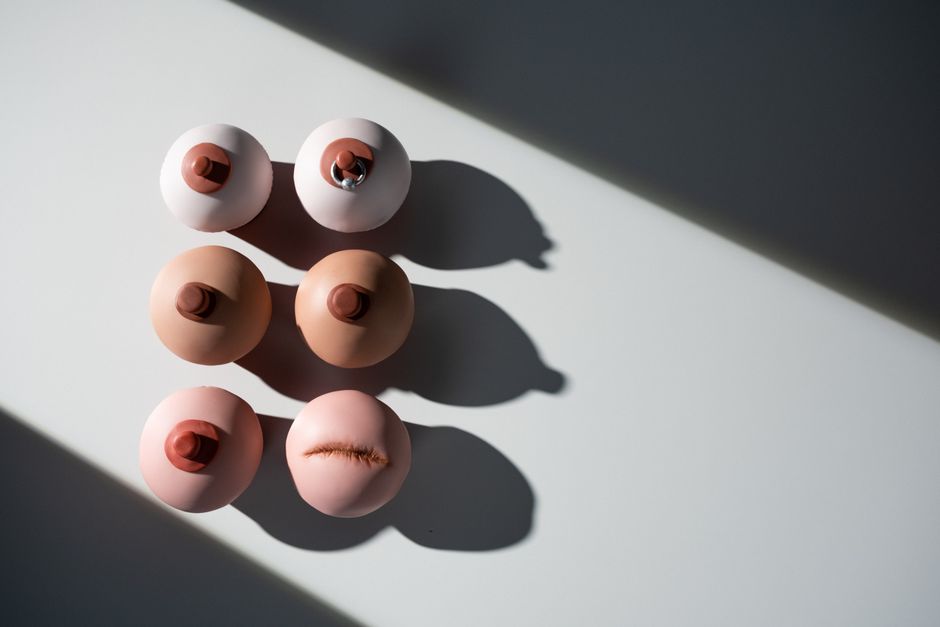
Removing a nipple piercing at home is usually simple: wash your hands, unscrew or unclip the jewelry, and slide it out slowly. The piercing tract can close within days to weeks after removal, but permanent closure is not guaranteed, especially if you have worn the jewelry for years. Some people need a piercer or doctor to remove tight or stuck jewelry, and anyone with signs of infection should not remove the jewelry themselves without medical advice.
How To Remove A Nipple Piercing Permanently At Home
Start with clean hands and good light. Most nipple jewelry is either a straight barbell with screw-on balls or a captive bead ring that needs a small tool or a firm pinch to open. A mirror helps, but many people find it easier to sit or lie down so the tissue is relaxed.
The steps that work for most people:
- Wash your hands thoroughly with soap and water, and clean the jewelry and surrounding skin with saline or mild soap.
- Unscrew one ball from a barbell, or release the bead from a ring. Turn counterclockwise unless you know your jewelry is threaded the other way.
- Support the tissue with one hand and slide the jewelry out slowly with the other. Do not yank or twist.
- Clean the site gently with saline, pat dry, and leave it alone. Do not cover it tightly.
If the jewelry will not budge, stop. Forcing it can tear the piercing tract or the nipple tissue. A professional piercer can remove stubborn jewelry in minutes and has the right tools for it. This is common and not a sign anything is wrong.
One thing worth knowing: the hole does not close the moment the jewelry comes out. The tract is lined with healed skin, and it can stay open for a while before shrinking. That is why “permanent” removal is about what happens over the following weeks, not the moment of taking it out.
Will The Hole Close Permanently After You Take It Out?
It might, but there is no way to guarantee it. Nipple piercings often close faster than earlobe piercings, partly because the tissue is soft and mobile, but plenty of people keep a visible opening or a small dimple for years.
How long you wore the jewelry matters. A piercing that has been healed and worn for many years is more likely to leave a permanent tract than one removed after a few months. Age, healing speed, and how much the tissue stretches also play a role.
Some people find the hole shrinks to a tiny dot that is barely visible. Others see a small slit that stays open enough to notice. Neither outcome is abnormal. If the opening bothers you, a piercer or dermatologist can talk through options, but there is no home method that reliably forces a piercing hole to close for good.
What Are The Signs You Should Not Remove It Yourself?
Do not remove the jewelry on your own if the area looks infected. Signs include spreading redness, warmth, swelling, pus, or pain that is getting worse rather than better. In that situation, removing the jewelry can trap infection inside a closing hole, and a doctor should assess it first.
Other reasons to get help:
- The jewelry is embedded in the tissue or the skin has grown over it.
- You have a nickel allergy and the site is itchy, crusty, or rashy.
- There is significant bleeding or a tear in the nipple.
- You are pregnant or breastfeeding and notice new pain, lumps, or discharge.
Nipple piercings can affect milk flow in some people, and any change in the breast during pregnancy or breastfeeding deserves a clinician’s look rather than a home fix. This is not a reason to panic. It is a reason to have someone qualified check it.
How Do You Care For The Piercing After Removal?
Keep it clean and leave it alone. Wash the area daily with mild soap and water, rinse well, and pat dry. Saline spray can help if the site feels irritated. Avoid harsh cleansers, alcohol, hydrogen peroxide, and antibiotic ointments unless a clinician recommends them.
Do not pick at crusts or squeeze the site. If a small amount of clear fluid appears in the first day or two, that is normal healing fluid, not necessarily infection. Watch for the infection signs above and get medical advice if they appear.
Give the area a few weeks before judging how it looks. The tissue settles, and the opening often shrinks during that time. Wearing tight clothing or rough fabrics over a fresh removal site can irritate it, so loose clothing helps in the short term.
Can You Speed Up Permanent Closure?
No proven home method makes a piercing hole close faster or more completely. Some people try salt soaks, silicone gel, or covering the hole, but no clinical evidence confirms these close a piercing tract permanently.
What actually helps is time and leaving the tissue alone. If a hole remains open and bothers you months later, a dermatologist or plastic surgeon can discuss procedures such as minor excision or closure. Those are clinical options, not home remedies, and they carry their own risks and costs. A piercer can also tell you what is typical for your situation.
When Should You See A Doctor?
See a doctor if you have fever, spreading redness, pus, severe pain, or a lump that does not go away. Also seek care if the nipple looks deformed, bleeds heavily, or if you notice discharge from the nipple itself.
Most nipple piercing removals are uneventful. The main reasons people need help are stuck jewelry, infection, or a hole that stays open and causes concern. None of these are emergencies in most cases, but they are worth a professional look rather than repeated home attempts.
Frequently Asked Questions
Can I remove a nipple piercing at home by myself?
Yes, most people can remove healed nipple jewelry at home with clean hands and a little patience. See a piercer or doctor if the jewelry is stuck, embedded, or the area looks infected.
How long does it take for a nipple piercing hole to close?
The opening often shrinks within days to weeks, but permanent closure is not guaranteed and can take months or never fully happen. Long-worn piercings are more likely to leave a lasting tract.
Should I take out my nipple piercing if it is infected?
Do not remove it on your own if it looks infected, because the hole can close and trap infection inside. Have a doctor assess it first and advise on removal.
Does removing a nipple piercing hurt?
Removal is usually quick and causes little to no pain in a fully healed piercing. Expect mild soreness or a brief sting, especially if the jewelry is tight or the site is irritated.
