
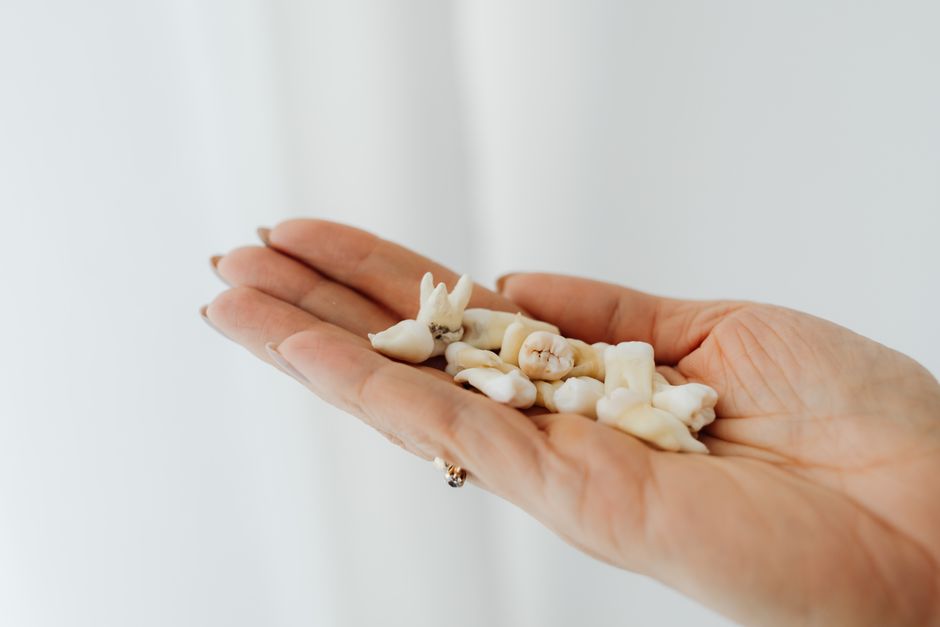
A loose adult tooth is not a problem to solve at home. It is a sign that something is wrong with the tooth, the gums, or the bone holding it in place, and the correct first step is always to see a dentist rather than pull it yourself. Adult teeth are meant to last a lifetime. When one starts to move, the goal is almost always to save it, not remove it. The rare exceptions involve teeth that are already beyond saving, and even then, a dentist should make that call.
Why Is An Adult Tooth Suddenly Loose?
Adult teeth are anchored by a network of fibers called the periodontal ligament. This ligament connects the tooth root to the jawbone. When that connection breaks down, the tooth can shift or wobble. Several different problems can cause this, and they are treated very differently.
The most common cause is advanced gum disease, also called periodontitis. In periodontitis, bacterial infection damages the gums and the bone that supports the teeth. As bone is lost, teeth can loosen. This process is usually gradual and often painless until it is advanced. A tooth that has been slowly loosening over months points more toward gum disease than to injury.
Trauma is another common cause. A fall, a blow to the face, or biting down on something hard can stretch or tear the periodontal ligament. A tooth loosened by injury may be otherwise healthy. This is one reason a sudden loose tooth after an accident needs prompt professional care rather than home removal.
Other causes include:
- Bruxism, or heavy teeth grinding, which can put repeated stress on teeth
- An infection at the root tip, called an abscess, which can weaken the tooth’s support
- Bone loss from other health conditions or medications
- Orthodontic treatment, where slight looseness can be a normal part of moving teeth
- Pregnancy, where hormonal changes can temporarily affect gum tissue
Because these causes lead to different treatments, guessing at the cause is a mistake. A dentist can examine the tooth, check how much it moves, and take an X-ray to see the bone and root.
How To Remove A Loose Tooth In Adults: Why You Should Not Do It Yourself
Adults should not pull a loose permanent tooth at home. The reasons are practical and medical, not just cautious advice.
First, pulling a tooth is harder than it looks. A tooth root can be curved, fractured, or fused to bone. Pulling at the wrong angle can break the root and leave pieces behind. Those fragments can become a source of infection and are much harder to remove later.
Second, a loose tooth is often a tooth that could be saved. If the cause is gum disease or injury, a dentist may be able to stabilize the tooth, treat the infection, or splint it to neighboring teeth. Removing it yourself ends that possibility before anyone has assessed it.
Third, home removal raises the risk of infection and heavy bleeding. The socket left behind is an open wound. A dentist controls bleeding, cleans the area, and can place a dressing or plan for a replacement. Doing this at home leaves those steps undone.
There is also the question of what comes next. When a dentist removes a tooth, they also think about the space it leaves. Nearby teeth can drift into a gap over time. A plan for a bridge, implant, or partial denture protects the rest of your bite. Pulling a tooth yourself skips that planning entirely.
The only situation where an adult tooth is sometimes removed is when a dentist determines it cannot be saved. Even then, the removal is done in a controlled setting. A tooth that is already extremely loose and hanging by soft tissue may come out with little effort, but a dentist should still confirm it and manage the socket.
What Should You Do If A Tooth Is Loose Right Now?
If you have a loose tooth and no injury, keep it clean and avoid putting pressure on it. Do not wiggle it to test it. Do not push it back and forth. Do not use your tongue to play with it. Each of these can stretch the ligament further.
Eat soft foods and chew on the other side of your mouth. Brush gently around the tooth with a soft brush. Continue flossing, but be careful not to snap the floss against the gum. Call your dentist and describe what happened and when the looseness started.
If the looseness followed an injury, the timeline matters. A tooth that has been knocked loose should be seen by a dentist as soon as possible. In some cases, a dentist can reposition and splint an injured tooth, and the sooner that happens, the better the chance of saving it. If a tooth has been completely knocked out, that is a dental emergency. Handle it by the crown, not the root, and get to a dentist immediately. Do not try to clean or replant it yourself.
Watch for signs that need urgent attention:
- Bleeding that does not stop
- Swelling in the face or jaw
- Fever
- Severe pain
- A tooth that is clearly infected, with pus or a bad taste
These can point to an infection that needs treatment quickly. Do not wait to see if it settles on its own.




How Does A Dentist Decide Whether To Save Or Remove A Tooth?
A dentist looks at several things before deciding. The key question is how much bone still supports the tooth. An X-ray shows the bone level around the root. If enough bone remains and the cause can be treated, the tooth may be savable.
The dentist also checks how much the tooth moves and in which direction. A tooth that moves slightly side to side is different from one that can be pushed down into its socket. The pattern of movement tells the dentist about the state of the ligament and bone.
For gum disease, treatment usually starts with deep cleaning to remove bacteria from below the gumline. In some cases, a dentist may splint a loose tooth to its neighbors to stabilize it while healing happens. For an injured tooth, repositioning and splinting are common. For an abscess, a root canal may save the tooth by removing the infected tissue inside it.
Removal is considered when the tooth is too damaged, when bone loss is too severe, or when an infection cannot be controlled. This is a clinical judgment, and it is reasonable to ask your dentist to explain the reasoning. A second opinion is a normal and sensible step when a tooth is borderline.
Can A Loose Tooth Tighten Back Up On Its Own?
Sometimes, yes. A tooth loosened by mild injury can tighten over time as the ligament heals, especially if it is rested and not stressed. Slight looseness during orthodontic treatment is also expected and settles as treatment progresses.
A tooth loosened by advanced gum disease is a different story. Gum disease is not self-correcting. Without treatment, the bone loss tends to continue. Some people notice a tooth tighten after deep cleaning and improved home care, but the underlying bone does not grow back on its own. The goal in that case is to stop further loss, not to reverse it.
This is why the cause matters so much. A loose tooth from injury and a loose tooth from gum disease look similar to the person experiencing them but need very different responses. Assuming it will tighten on its own is risky when the cause is infection.
How Can You Prevent Adult Teeth From Loosening?
Most adult tooth loss is linked to gum disease, and gum disease is largely preventable and manageable. Daily brushing and flossing remove the plaque that drives it. Regular dental visits catch problems while they are still treatable. These steps are well established and widely recommended.
Do not smoke. Smoking is one of the strongest risk factors for gum disease, and it also masks the early signs, so problems can progress further before they are noticed.
Manage conditions that affect gum health. Diabetes, when poorly controlled, is linked to worse gum disease. Tell your dentist about any medications you take, since some can affect the gums or bone.
If you grind your teeth, talk to your dentist about a night guard. Grinding puts ongoing force on teeth and can contribute to looseness over time.
Protect your teeth during sports with a mouthguard. Many loosened and knocked-out teeth happen during contact sports and falls.
What Happens After A Tooth Is Removed?
After a dentist removes a tooth, the socket heals over several weeks. The dentist gives instructions for caring for the area, which usually include avoiding smoking, not drinking through a straw for a period, and keeping the area clean. Following those instructions lowers the risk of a painful complication called dry socket, where the protective blood clot is lost too early.
The longer-term question is the gap. Teeth next to a gap can shift, and the opposing tooth can move down or up over time. Dentists often recommend replacing a missing tooth with an implant, a bridge, or a partial denture to keep the bite stable. The right choice depends on the tooth’s location, your gum and bone health, and your budget. This is a conversation to have with your dentist before removal, not after.
Frequently Asked Questions
Can I pull a loose adult tooth myself?
No. Adults should not pull a loose permanent tooth at home because it may be savable and home removal risks broken roots, infection, and uncontrolled bleeding. See a dentist to find out why the tooth is loose.
Will a loose tooth in an adult tighten back up?
It can if the cause is a mild injury that heals with rest, but a tooth loosened by gum disease will not correct itself without treatment. A dentist can tell you which situation you are in.
What is the most common cause of a loose tooth in adults?
Advanced gum disease is the most common cause, because it damages the bone that supports the teeth. Injury, grinding, and root infections are other common causes.
When is a loose tooth a dental emergency?
A tooth loosened by injury, a completely knocked-out tooth, or a loose tooth with swelling, fever, or pus needs urgent dental care. These signs can point to infection or damage that gets worse with delay.
