
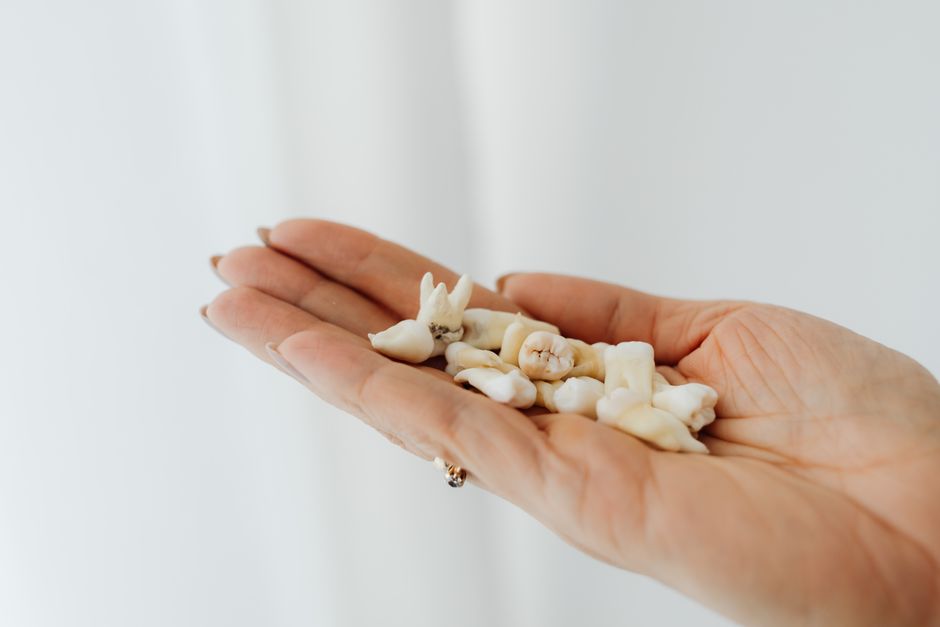
A loose dental bridge should be removed by a dentist, not by you. If the bridge is fully off, keep it and call your dentist for a prompt appointment. If it is partly attached, leave it in place and avoid chewing on that side until you are seen. Trying to pull, pry, or re-glue a bridge at home can damage the teeth underneath, injure the gum, or lead to swallowing or inhaling the bridge.
What to expect depends on why it loosened. Sometimes the cement simply failed and the bridge can be re-cemented. Other times the problem is decay or a fractured supporting tooth, which needs treatment first. A dentist can tell the difference with an exam and an X-ray.
Why Does A Dental Bridge Come Loose?
A bridge is held in place by the teeth on either side of the gap, called abutment teeth. It is fixed with dental cement, and it can come loose for a few reasons.
The most common cause is a failure of the cement over time. Cement can wear, wash out, or break down, especially after years of use. When the cement fails, the bridge lifts off but the teeth underneath may still be healthy.
More serious causes involve the supporting teeth. Decay can develop under the bridge where you cannot see or clean it well. A tooth can fracture. The tooth can also lose bone support from gum disease. Any of these can weaken the foundation the bridge sits on.
Other factors include a heavy bite, grinding your teeth at night, or trauma from an injury or hard food. A bridge that is old and has been repaired before may also be more likely to loosen.
How To Remove A Loose Dental Bridge And What To Expect?
The safe way to remove a loose bridge is to have a dentist do it. The dentist uses a special instrument to gently work the bridge off without damaging the teeth or gums. If it is already completely detached, they will examine it and the teeth underneath.
Here is what the process usually looks like:
- Exam and X-ray. The dentist checks the abutment teeth, the gum, and the bite. An X-ray shows whether there is decay, fracture, or bone loss under the bridge.
- Removal. If the bridge is still attached, the dentist eases it off. This is usually quick and does not require numbing unless the tooth is sensitive or further work is needed.
- Cleaning. The teeth and the inside of the bridge are cleaned of old cement and debris.
- Assessment. The dentist decides whether the bridge can go back on or whether the teeth need treatment first.
If the bridge is already off when you arrive, the dentist will still do the same exam. The key question is always the same: are the supporting teeth sound enough to hold a bridge again?
Can I Remove A Loose Bridge Myself At Home?
No. Removing a bridge yourself is not safe. This is the part where people get into trouble.
A bridge that feels loose may still be firmly gripped on one side. Pulling on it can crack a supporting tooth, tear the gum, or break the bridge itself. A broken bridge often cannot be reused, which means a more expensive replacement.
There is also a real choking and airway risk. A small bridge can slip and be swallowed or, worse, inhaled into the airway. That is a medical emergency.
You may have seen advice online about using tools, floss, or over-the-counter glue. Do not do this. Over-the-counter dental glue is not designed for this use and can trap bacteria, damage the tooth, and make the dentist’s job harder. If the bridge is loose, the right move is to call your dentist.
What Should I Do Right Now If My Bridge Is Loose?
Keep the bridge in place if it is still partly attached. Do not wiggle it. Chew on the other side of your mouth and choose soft foods until you are seen.
If the bridge has come completely off, keep it. Rinse it gently and store it in a clean container. Do not scrub it or soak it in anything harsh. Bring it to your appointment.
Call your dentist and describe what happened. Tell them whether the bridge is fully off or partly attached, and whether you feel any pain. Ask how soon you can be seen. Most dental offices treat a loose bridge as a priority because the longer it stays loose, the more likely the teeth underneath are to be damaged.
Watch for warning signs that need faster attention: pain that does not settle, swelling, bleeding that will not stop, or a bridge you cannot keep from moving. These suggest you should be seen quickly rather than waiting.
What Are My Treatment Options After The Bridge Comes Off?
What happens next depends on the condition of the supporting teeth. The dentist will explain which situation you are in.
If the teeth are healthy: the bridge can often be cleaned and re-cemented. This is the simplest and least expensive outcome. The dentist may adjust the bite slightly so the bridge sits evenly.
If there is decay or a small fracture: the tooth may need a filling or other repair before the bridge goes back on. In some cases the bridge can be re-cemented after the repair. In others it needs to be remade.
If a supporting tooth is badly damaged: the tooth may not be able to hold a bridge again. The dentist may recommend a new bridge, a different type of restoration, or possibly an implant. This is a bigger conversation and worth asking questions about.
Ask your dentist directly: can this same bridge be reused, or will I need a new one? That answer shapes both the cost and the timeline.
How Long Does It Take And What Does It Cost?
Re-cementing a bridge that is otherwise sound can often be done in a single visit. If repair work is needed first, it may take more than one appointment. A brand-new bridge takes longer because it has to be custom-made, which usually involves impressions and a dental lab.
Cost varies widely by situation and location, so no single figure applies. Re-cementing is far less expensive than making a new bridge. Ask your dentist for an estimate before work begins, and check whether your dental insurance covers re-cementation versus a replacement. Some plans treat them differently.
How Can I Prevent A Bridge From Coming Loose Again?
Good daily cleaning is the most important step. A bridge needs special care because food and plaque collect under it. Use a bridge threader or interdental brush to clean beneath the bridge every day. Regular brushing and flossing around the abutment teeth protect the foundation.
See your dentist for regular checkups. Small problems under a bridge are hard to see and easy to miss at home. A dentist can catch early decay or a loose margin before the bridge fails.
If you grind or clench your teeth, tell your dentist. They may recommend a night guard to reduce the force on your bridge. Avoiding very hard foods, like ice and hard candy, also lowers the risk of damage.
One point worth knowing: a bridge does not decay, but the teeth under it can. That is why the health of the supporting teeth, not the bridge itself, is what usually determines how long a bridge lasts.
Frequently Asked Questions
Can I pull off a loose dental bridge myself?
No. Pulling a bridge yourself can crack the supporting teeth, break the bridge, or create a choking risk. A dentist should remove it safely.
What should I do if my dental bridge falls out?
Keep the bridge, rinse it gently, and store it in a clean container. Call your dentist promptly and avoid chewing on that side until you are seen.
Can a loose dental bridge be glued back on?
Often yes, if the supporting teeth are healthy and the bridge is not damaged. A dentist re-cements it with proper dental cement after an exam.
How long can I leave a loose bridge in place?
Only until you can see a dentist, and sooner is better. A loose bridge lets bacteria and food under it, which can damage the teeth and gum.
