
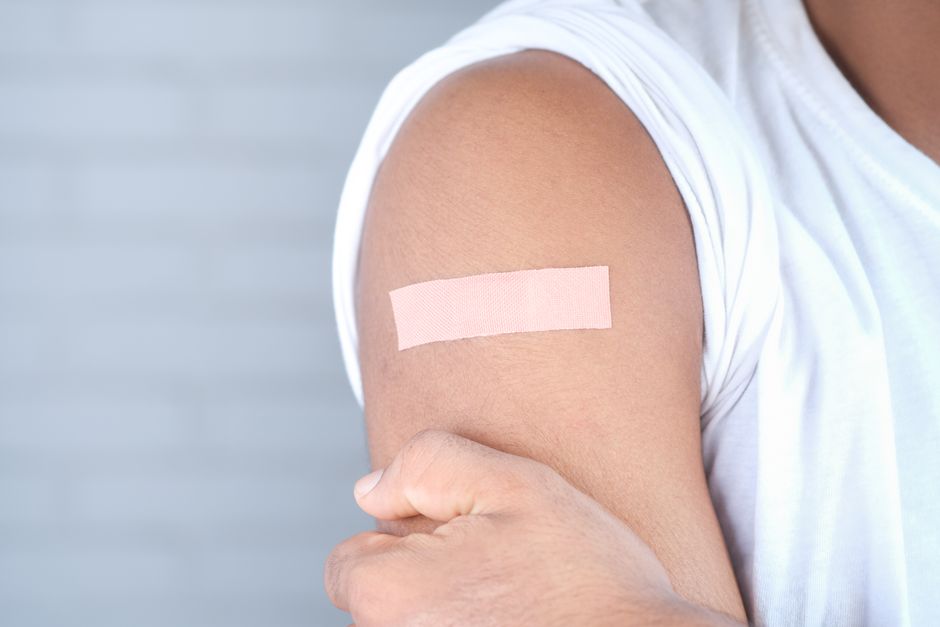
Most people do not miss vaccines on purpose. They miss them because life gets busy and no one sends a reminder. The most reliable way to remember your immunization schedule is to treat it like any other recurring medical task: keep one central record, set calendar alerts before each due date, and check that record at least once a year with your clinician. That approach works for childhood series, adult boosters, and travel vaccines alike.
Vaccines are unusual in health care because timing matters as much as the product. Some series require specific intervals between doses. Some protection fades over years and needs a booster. And some vaccines are recommended only at certain ages or life stages. A simple system beats a good memory almost every time.
Why Do People Fall Behind on Their Immunization Schedule?
The main reason is that immunization is a moving target. Recommendations change with age, health status, pregnancy, travel plans, and new guidance from public health agencies. A schedule you followed five years ago may not match what applies to you now.
There is also the record problem. People change doctors, move states, and switch insurance plans. Vaccine records get scattered across paper cards, clinic systems, and pharmacy databases. When someone cannot produce a record, clinicians often have to make judgment calls about whether to revaccinate. That is inconvenient and sometimes unnecessary.
Adults are especially likely to fall behind. Childhood schedules are structured and tracked. Adult vaccination is largely self-directed. Unless you have a reason to think about it, you probably will not.
How To Remember Your Immunization Schedule: A System That Works
Build a system around three things: one record, one reminder method, and one annual review. Everything else is detail.
Keep a single master record
Ask your clinician for a printed or digital copy of your full immunization history. If you have moved or changed providers, request records from previous clinics. Most states have immunization information systems that can help consolidate records, and your clinician can often access them.
Store that record somewhere you will actually look: a folder with your other medical documents, a secure digital file, or both. Update it after every vaccine. A record is only useful if it is current.
Set reminders before due dates, not after
Calendar alerts work well when they are set in advance. If a vaccine is due in three months, set a reminder for two months out so you have time to schedule an appointment. For multi-dose series, ask the clinician to tell you the date of the next dose before you leave, and put it in your calendar immediately.
Pharmacy and clinic reminder systems can help, but do not rely on them alone. They depend on your contact information being current and on the clinic’s system working as intended.
Do one annual review
Once a year, at a routine visit or when you update other health records, look at your immunization history and ask whether anything is due. This is also the moment to mention travel plans, a pregnancy, a new job with exposure risk, or a chronic condition that affects vaccine recommendations. Those details change what applies to you.
Which Vaccines Do Adults Commonly Need to Track?
Adult recommendations depend on age, health conditions, pregnancy status, occupation, and travel. The specifics come from public health guidance, which changes over time. What stays consistent is the categories worth checking.
- Annual influenza vaccine — recommended for most people each season, with timing set by the season rather than a fixed date.
- Tetanus and diphtheria booster — typically recommended at regular intervals, with pertussis included in at least one adult dose.
- COVID-19 vaccination — guidance has changed repeatedly since 2020. Check current recommendations rather than relying on what you remember.
- Shingles vaccine — recommended for adults starting at a certain age, and earlier for some people with specific health conditions.
- Pneumococcal vaccines — recommended for adults above a certain age and for younger adults with certain medical conditions.
- Hepatitis B — recommended for many adults, and guidance on who should be vaccinated has broadened in recent years.
This list is not complete and it is not personal advice. It is a checklist of categories to discuss with your clinician, who can match it to your actual situation.
How Do You Track Childhood Immunizations?
Children need more doses at more intervals than adults, and the schedule is denser in the first two years. That density is why pediatric practices usually run their own reminder systems. Use them, but keep your own record too.
Ask for a copy of your child’s immunization record at every visit and keep it with other important documents. Many schools and childcare programs require proof of vaccination, so having a current record on hand prevents last-minute scrambling.
If your child misses a dose, the usual approach is to resume the series rather than start over. Most vaccines do not require restarting a series after an interruption. Your clinician can confirm what applies to the specific vaccine.
One clarification worth knowing: the childhood schedule is not a single fixed timeline. It is a set of recommendations with some flexibility built in, including catch-up guidance for children who fall behind. Falling off schedule is common and manageable.
What Should You Do If Your Records Are Missing?
Missing records are common and usually solvable. Start with your current clinician, who may be able to access state immunization registries. Then contact previous providers, schools, or pharmacies where you received vaccines.
If records cannot be found, clinicians sometimes recommend revaccination. For most vaccines, receiving an extra dose in someone who was already vaccinated is not considered dangerous, though it may be unnecessary. Some vaccines can be checked with a blood test to see whether you have existing immunity. Your clinician can advise which approach makes sense for which vaccine.
Do not assume you are unprotected just because you cannot find paperwork. And do not assume you are protected just because you remember getting a shot. The record is what matters.
Does a Smartphone App Solve This?
Apps can help, but they are not a substitute for an accurate medical record. Many apps rely on you entering data manually, which means errors carry forward. Some health systems and pharmacies offer portals that pull from actual clinical records, which is more reliable.
The best use of a phone is the reminder function, not the record-keeping function. Use your phone to remind you to check your record and schedule appointments. Keep the authoritative record with your clinician or in a document you control.
Frequently Asked Questions
How often should I check my immunization record?
Once a year is a reasonable baseline for most adults, ideally at a routine medical visit. Check more often if you are pregnant, planning travel, or have a health condition that affects vaccine recommendations.
Can I get vaccinated if I don’t have my records?
Often yes, but the approach depends on the vaccine and your situation. Your clinician may recommend revaccination, a blood test to check immunity, or a search of state immunization registries first.
Do I need to restart a vaccine series if I missed a dose?
Usually not. Most vaccine series can be resumed where they left off rather than restarted from the beginning. Your clinician can confirm what applies to the specific vaccine.
Where can I find my state’s immunization registry?
Most states operate an immunization information system, and your clinician can usually access it on your behalf. Ask your doctor or pharmacist first, since they can often retrieve records more quickly than you can on your own.
