
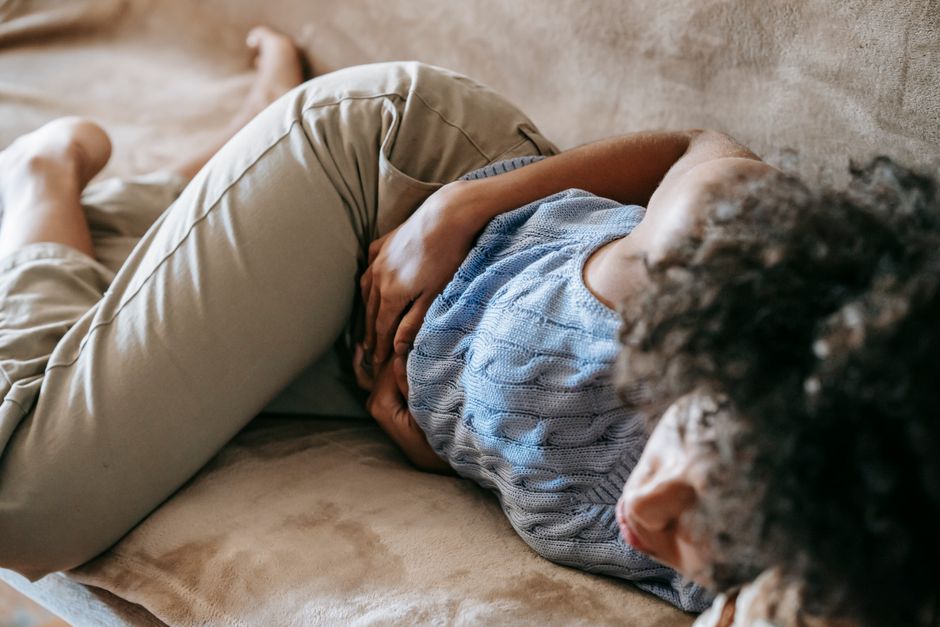
Period cramps happen when the muscular wall of the uterus contracts to shed its lining, and those contractions briefly reduce blood flow to the muscle. Heat and certain supplements can ease the pain for many people, but they work in different ways and the evidence behind them is not equally strong. Below is what research actually supports, what is still uncertain, and when cramps are a sign to see a doctor.
What Actually Causes Period Cramps?
During a period, the uterus contracts to help shed its lining. These contractions are driven by hormone-like compounds called prostaglandins. Higher prostaglandin levels tend to produce stronger, more frequent contractions.
When those contractions are strong enough, they can temporarily reduce blood flow to the uterine muscle. That reduced flow is thought to be a major source of the cramping pain many people feel. This type of cramping is called primary dysmenorrhea, and it is the most common kind.
A second type, secondary dysmenorrhea, is caused by an underlying condition such as endometriosis, fibroids, or adenomyosis. This distinction matters because the relief strategies below are aimed mainly at common primary cramps. If pain is caused by another condition, these approaches may still help somewhat, but they do not address the root cause.
Cramps usually start just before or with the onset of bleeding and last one to three days. They are often felt in the lower abdomen, and some people also notice pain in the lower back or inner thighs.
Does Heat Actually Relieve Period Cramps?
Heat is one of the better-supported home options for period pain. Applying a heating pad, warm compress, or heat wrap to the lower abdomen relaxes the muscle and improves blood flow to the area, which can reduce the intensity of cramps.
Some studies have compared continuous low-level heat against over-the-counter pain relievers for period pain and found heat provided meaningful relief. The evidence is not perfectly uniform across every study, but heat is widely considered a reasonable first step. It is simple, low-risk when used correctly, and does not require a prescription.
A few practical points:
- Use a warm — not scalding — heat source. A heating pad on a low or medium setting is typical.
- Limit continuous use to avoid skin irritation or burns, especially if you have reduced sensation in that area.
- Never fall asleep on a heating pad set to high.
- A warm bath or shower can offer similar muscle-relaxing effects.
Heat does not work for everyone. Some people find it helps a little, others a lot, and some not at all. It is worth trying because the downside is minimal, but it is not a guaranteed fix.
Which Supplements Have Evidence for Period Cramps?
Several supplements are marketed for period pain. The quality of evidence varies widely, and it is worth separating the better-studied options from the ones with little to no supporting research.
Magnesium
Magnesium plays a role in muscle function and nerve signaling. Some studies suggest magnesium may reduce the severity of period cramps, possibly by helping relax muscle tissue. The evidence is moderate rather than definitive — results across studies are not entirely consistent.
Magnesium is generally well tolerated at typical supplemental amounts, though high doses can cause digestive upset. People with kidney problems should talk to a clinician before taking magnesium supplements, because impaired kidney function affects how the body handles it.
Vitamin B1 (Thiamine)
Some research indicates vitamin B1 may reduce period pain intensity. The studies are relatively small, so the finding is promising but not firmly established. B1 is water-soluble and low-risk at standard amounts.
Omega-3 Fatty Acids
Omega-3s, found in fish oil and some plant sources, may influence prostaglandin production. Because prostaglandins drive uterine contractions, there is a plausible mechanism for pain relief. Some studies suggest benefit, but the evidence is mixed and not strong enough to call it proven.
Vitamin E
A few small studies have looked at vitamin E for period pain with somewhat encouraging results. The research is limited, and larger trials would be needed to confirm any real effect.
What About Herbal Options?
Some herbal supplements, including certain traditional preparations, have been studied for period pain. Results are inconsistent, and product quality varies a great deal because supplements are not regulated the same way medications are. If you try one, know that what is on the label may not match what is in the bottle.
One non-obvious point: supplements are not held to the same safety and purity standards as prescription drugs in the United States. That does not mean they are unsafe, but it does mean “natural” is not the same as “verified.”




How Do Heat and Supplements Compare to Pain Relievers?
Over-the-counter pain relievers are among the most studied options for period cramps. Nonsteroidal anti-inflammatory drugs (NSAIDs) such as ibuprofen work by reducing prostaglandin production, which targets the underlying mechanism of cramping. For many people, they provide stronger relief than heat or supplements alone.
That said, NSAIDs are not right for everyone. They can irritate the stomach and are not recommended for people with certain kidney, heart, or ulcer conditions. Acetaminophen is another option, though it does not reduce prostaglandins the same way, so it may be less effective for cramp-specific pain.
Heat and supplements are often used alongside pain relievers rather than instead of them. There is no strong evidence that combining them is harmful, and some people find the combination more helpful than any single approach.
What Else Helps With Period Cramps?
Beyond heat and supplements, a few other approaches have some supporting evidence or are commonly recommended.
- Gentle exercise — light activity like walking or stretching may reduce pain for some people, though the evidence is not strong.
- Relaxation and rest — stress can worsen pain perception, so calming practices may help indirectly.
- Hydration and balanced meals — not proven to reduce cramps directly, but general health habits support overall comfort.
- TENS units — some studies suggest transcutaneous electrical nerve stimulation may reduce period pain, though availability and results vary.
None of these are guaranteed. What works varies a lot from person to person, and it often takes some trial and error to find a combination that helps.
When Should You See a Doctor About Period Cramps?
Common period cramps are uncomfortable but not dangerous. However, some patterns suggest something more may be going on.
Talk to a healthcare provider if:
- Pain is severe enough that it interferes with school, work, or daily life
- Cramps are getting worse over time
- Pain lasts longer than the first few days of your period
- You have heavy bleeding, bleeding between periods, or bleeding after menopause
- Pain is not relieved by over-the-counter options
- You have other symptoms like fever, unusual discharge, or pain during sex
These signs can point to conditions such as endometriosis, fibroids, or pelvic inflammatory disease. Identifying them early can make a real difference in treatment options. Do not assume severe pain is just something you have to live with.
Putting It Together
For many people, the most practical approach is to start with heat and an over-the-counter pain reliever if it is safe for you. Supplements like magnesium, vitamin B1, omega-3s, and vitamin E have some supporting evidence, but none are firmly proven, and results vary. If cramps are severe, worsening, or disrupting your life, that is a signal to get evaluated rather than to keep trying home remedies.
Frequently Asked Questions
How long should you apply heat for period cramps?
There is no single official duration, but continuous low-level heat applied to the lower abdomen for as long as it feels helpful is typical. Take breaks to avoid skin irritation, and never sleep on a high-setting heating pad.
What is the best supplement for period cramps?
Magnesium and vitamin B1 have the most consistent — though still moderate — supporting evidence among supplements studied for period pain. No supplement is proven to work for everyone, and effects vary.
Can you take supplements and pain relievers together for cramps?
There is no strong evidence that combining common supplements like magnesium with over-the-counter pain relievers is harmful. Check with a pharmacist or clinician if you take prescription medications or have health conditions.
When should period cramps be checked by a doctor?
See a provider if cramps are severe enough to disrupt daily life, are getting worse over time, or are not relieved by over-the-counter options. These can be signs of conditions like endometriosis or fibroids that need evaluation.
