
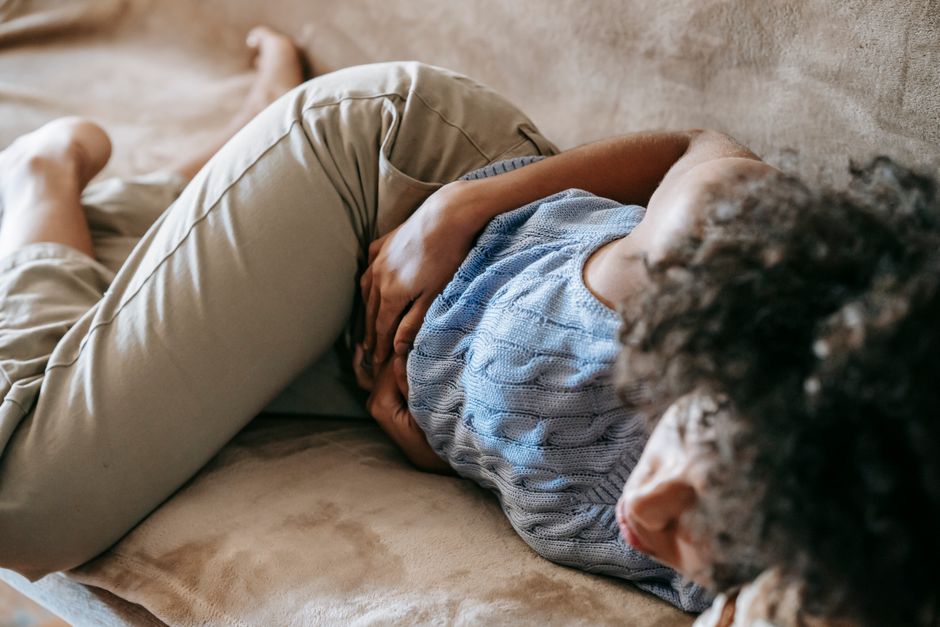
Miscarriage cramps can be intense, both physically and emotionally. The safest ways to relieve the pain include over-the-counter pain relievers like ibuprofen or acetaminophen, a heating pad on a low setting, and gentle movement. You should always confirm the miscarriage is complete with a doctor before using any pain management strategy, as retained tissue can cause dangerous complications.
What Causes Miscarriage Cramps?
During a miscarriage, the uterus contracts to expel its contents. These contractions are the same mechanism that causes menstrual cramps, but they are often much stronger because the tissue being passed is larger.
Your uterus is a muscle. When it contracts, it temporarily reduces blood flow to the muscle tissue itself. This reduction in oxygen triggers pain signals. The cervix also dilates to allow tissue to pass, which adds to the cramping sensation.
The severity of cramps varies widely. Some women describe them as a heavy period. Others report labor-like pain. The intensity often depends on how far along the pregnancy was and whether the miscarriage is happening naturally or being medically induced.
Which Pain Relievers Are Safe?
For most women, nonsteroidal anti-inflammatory drugs (NSAIDs) are the first choice. Ibuprofen (Advil, Motrin) and naproxen (Aleve) reduce the production of prostaglandins, the chemicals that drive uterine contractions. Fewer prostaglandins mean less intense cramps.
Acetaminophen (Tylenol) is another option. It works on pain pathways in the brain rather than reducing inflammation. Some women find it less effective for uterine cramps, but it is a reasonable alternative if you cannot take NSAIDs.
Do not take aspirin for miscarriage cramps. Aspirin thins the blood and can increase bleeding. This is especially important because heavy bleeding is the main medical risk during a miscarriage.
Follow the dosing instructions on the package. Do not combine ibuprofen and naproxen. They are the same class of drug and taking both increases the risk of stomach bleeding and kidney damage without improving pain relief.
How To Use Heat Safely
A heating pad on the lower abdomen is one of the most effective non-drug options. Heat relaxes the uterine muscle and improves local blood flow, which eases the cramping.
Use the lowest setting that provides relief. Place a cloth or towel between the heating pad and your skin to prevent burns. Limit sessions to 15 to 20 minutes at a time, with breaks in between.
Do not fall asleep with a heating pad on. Do not use heat if you have active bleeding that is heavy enough to soak a pad every hour. Heat can increase circulation and temporarily increase bleeding.
A warm bath can also help. The water temperature should be comfortable, not hot. The buoyancy takes pressure off your pelvic muscles, and the warmth has the same muscle-relaxing effect as a heating pad.




Gentle Movement and Positioning
Rest is important, but complete bed rest may actually make cramps worse. Light movement helps blood circulate and can reduce the buildup of lactic acid in the pelvic muscles.
Walking slowly around your home for a few minutes each hour is often helpful. Avoid vigorous exercise, heavy lifting, and any activity that increases abdominal pressure.
Certain positions can reduce cramping. Lying on your side with your knees bent toward your chest takes tension off the lower back. Placing a pillow between your knees while lying on your side keeps your pelvis aligned.
Sitting on the toilet with your knees spread wide can help if you feel the urge to push. This position relaxes the pelvic floor muscles and can make passing tissue less painful.
When To Call a Doctor Immediately
Some symptoms require urgent medical attention. Heavy bleeding is the most important one. Soaking through a heavy pad in less than one hour, or passing clots larger than a lemon, warrants an immediate call to your doctor or a trip to the emergency room.
Fever is another red flag. A temperature of 100.4°F or higher may indicate an infection in the uterus. Other signs of infection include foul-smelling vaginal discharge, chills, or pain that worsens instead of improving.
Severe pain that does not respond to pain relievers is also concerning. While cramps are expected, pain that doubles you over or prevents you from standing upright is not normal.
Fainting, dizziness, or feeling lightheaded can indicate significant blood loss. These symptoms require emergency evaluation even if the bleeding does not seem heavy.
Why Confirming the Miscarriage Is Complete Matters
Cramps can continue if tissue remains in the uterus. This is called an incomplete miscarriage. Retained tissue keeps the uterus contracting as it tries to expel it, and it raises the risk of infection and heavy bleeding.
Your doctor will typically confirm the miscarriage is complete with an ultrasound or by tracking your hormone levels. This confirmation matters before you assume your cramps are just part of the normal process.
If tissue remains, your doctor may recommend medication to help the uterus contract further or a procedure called dilation and curettage (D&C) to remove the tissue. After this, cramps typically resolve quickly.
Once the uterus is empty, cramping should gradually decrease over a few days. Continued severe pain after the tissue has passed should be evaluated, as it may indicate a different problem such as infection.
Emotional Pain and Physical Symptoms
Miscarriage affects more than your body. The emotional distress can amplify physical pain. Stress hormones like cortisol increase muscle tension, which can make cramps feel worse.
Allow yourself to acknowledge both types of pain. Crying, talking to a trusted person, or taking time away from work are all reasonable responses. Grief does not have a timeline, and there is no correct way to feel.
Some women find that gentle breathing exercises help during intense cramping. Slow, deep breaths activate the parasympathetic nervous system, which promotes muscle relaxation. This is not a cure, but it can make the pain more manageable.
What To Avoid During Recovery
Do not use tampons or menstrual cups while you are still bleeding. They can introduce bacteria into the cervix and increase the risk of infection. Use pads until the bleeding has completely stopped.
Avoid sexual intercourse until the bleeding has stopped and your doctor has confirmed your cervix has closed. This typically takes two to six weeks depending on how far along the pregnancy was.
Do not douche or use any vaginal hygiene products. The vagina cleans itself naturally, and introducing chemicals can disrupt the healthy bacteria that protect against infection.
Avoid alcohol while you are still experiencing active cramping and bleeding. Alcohol can thin the blood and may increase bleeding. It can also interfere with your judgment about whether your symptoms are normal.
When Can You Expect Cramps To Stop?
For a natural miscarriage, active cramping usually lasts a few hours to a few days. The most intense pain typically occurs when the tissue is passing. After that, cramps taper off to a dull ache similar to a period.
If you take medication to induce the miscarriage, cramping usually starts within a few hours and can last up to 48 hours. The pain may be intense during this window, but it should improve significantly after the tissue passes.
Mild cramping can continue for up to two weeks as the uterus shrinks back to its normal size. This is different from active miscarriage pain and is generally much less severe.
Bleeding can continue for one to two weeks after the tissue passes. Spotting may last even longer. If you have no bleeding for several days and then heavy bleeding starts again, contact your doctor.
Frequently Asked Questions
Can I take ibuprofen for miscarriage cramps?
Yes, ibuprofen is generally safe and effective for miscarriage cramps. Do not take aspirin, as it increases bleeding risk.
Is a heating pad safe during a miscarriage?
Yes, a heating pad on the lowest setting is safe for 15 to 20 minutes at a time. Place a cloth between the pad and your skin to prevent burns.
How long does miscarriage cramping last?
Active cramping usually lasts a few hours to a few days. Mild cramping can continue for up to two weeks as the uterus returns to its normal size.
When should I go to the emergency room for miscarriage pain?
Go to the ER if you soak a heavy pad in under an hour, pass clots larger than a lemon, develop a fever, or faint from blood loss.
