
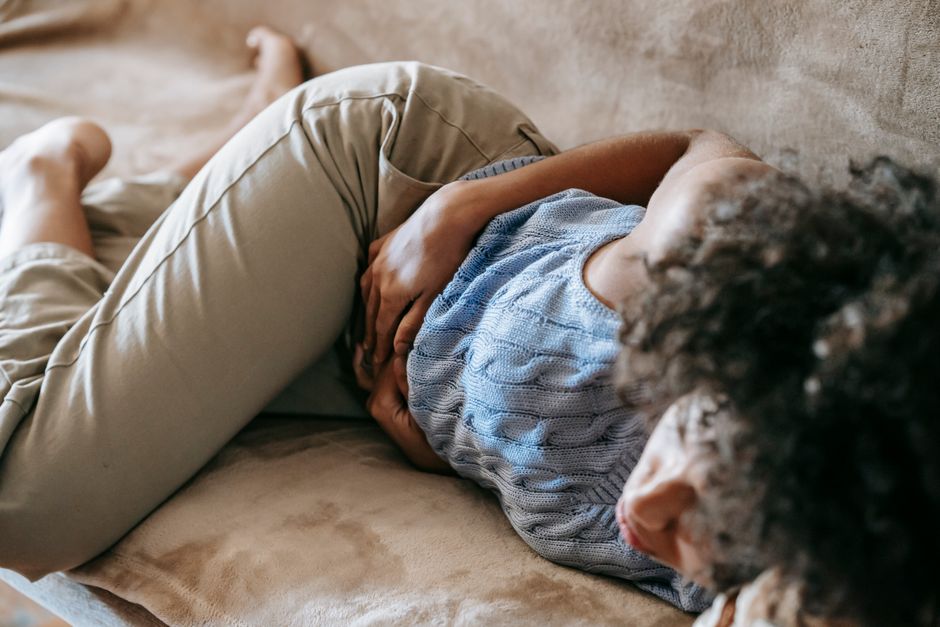
Menstrual back pain is real pain, not a side effect you have to push through. It usually comes from prostaglandins — hormone-like chemicals that make the uterus contract during your period — and those same signals can radiate into the lower back. The most reliable relief combines heat, gentle movement, and over-the-counter pain relievers taken early. Here is what actually helps, what the evidence supports, and when back pain during your period deserves a doctor’s attention.
Why Does Your Back Hurt During Your Period?
Your uterus is a muscle. During menstruation it contracts to help shed its lining. Those contractions are driven by prostaglandins, and higher prostaglandin levels tend to mean stronger cramps.
The pain signal doesn’t stay neatly in one place. Nerves from the uterus and pelvis share pathways with nerves that serve the lower back. Your brain can interpret the signal as coming from your back, a process called referred pain. This is why period pain so often shows up as a dull ache across the lower back rather than only in the front.
There’s a second, less obvious contributor. Some of the pain is genuinely muscular. When your abdomen cramps, you may unconsciously tense your lower back and change how you stand and move. Over a few days, that guarding can leave your back feeling sore and tight on its own.
Prostaglandin levels are typically highest on the first day or two of bleeding. That timing explains why period back pain usually peaks early and eases as the days pass.
How to Relieve Menstrual Back Pain at Home
Heat is the best-studied home remedy for period pain, and it’s the one most clinicians suggest first. A heating pad or warm compress on the lower back or abdomen relaxes tense muscle and can ease cramping.
Continuous low-level heat — the kind a heat wrap provides — has been studied for menstrual pain, and some trials found it reduced pain compared with no heat. The evidence isn’t overwhelming, but heat is low-risk and widely recommended. Use a pad on a low-to-medium setting and avoid falling asleep directly on a high setting to prevent burns.
Gentle movement helps more than bed rest for most people. It won’t stop the cramps, but it eases the muscular tension that builds in your back. Try:
- A slow walk, even ten to fifteen minutes
- Gentle yoga or stretching that opens the hips and lower back
- Knees-to-chest and cat-cow stretches, held comfortably
- Swimming, which takes weight off the back
Skip the urge to stay completely still. Rest has its place, but too much stillness often makes back stiffness worse.
Do Pain Relievers Help Back Pain From Periods?
Yes — nonsteroidal anti-inflammatory drugs (NSAIDs) are the first-line medication for menstrual pain, and they target the underlying cause. Drugs like ibuprofen and naproxen block prostaglandin production, which is why they work better for period pain than acetaminophen, which doesn’t affect prostaglandins.
Timing matters. NSAIDs work best when taken at the first sign of pain or cramping, before prostaglandin levels climb. Waiting until pain is severe means the drug has more ground to cover.
Take NSAIDs with food to protect your stomach, and follow the label. Don’t combine more than one NSAID at a time. If you have stomach ulcers, kidney problems, or take blood thinners, talk to a pharmacist or doctor before using them. Acetaminophen can help with pain but won’t address the prostaglandin driver.
For people who don’t get enough relief from NSAIDs, hormonal birth control is a common next step because it can reduce the prostaglandin response over time. That’s a conversation for a clinician, not a self-treatment decision.





What About Supplements and Other Remedies?
Be skeptical here. Most supplement marketing for period pain runs well ahead of the evidence.
Some studies suggest magnesium may modestly reduce menstrual cramps, and it’s generally well tolerated at typical supplemental doses. The evidence is not strong enough to call it a reliable treatment. Vitamin B1 and omega-3 fatty acids have also been studied with mixed results. None of these is a substitute for NSAIDs or heat.
Herbal options like ginger and fennel have small studies behind them, some showing modest benefit. The trials tend to be small, and product quality varies widely. If you want to try one, treat it as an add-on, not a replacement.
What doesn’t have solid support: detox products, “hormone-balancing” blends, and most proprietary cramp formulas. No clinical evidence confirms these work. Save your money.
When Should Period Back Pain Worry You?
Common period back pain is uncomfortable but manageable. Some patterns are different and deserve a medical evaluation.
See a doctor if back pain during your period is severe enough to disrupt work, school, or sleep despite home treatment. Also seek care if:
- Pain is getting worse over time rather than staying stable
- Pain starts before your period and doesn’t ease after it ends
- You have pain during sex, heavy bleeding, or bleeding between periods
- Over-the-counter pain relievers no longer help
- You have fever, unusual discharge, or pain when urinating
These signs can point to conditions like endometriosis, fibroids, or pelvic inflammatory disease. Endometriosis in particular is often missed for years because period pain gets normalized. Severe, worsening period pain is not something to simply endure.
Can You Prevent Period Back Pain?
You can’t stop your period, but you can reduce how much it disrupts your back. Regular physical activity throughout the month — not just during your period — is associated with less menstrual pain in observational studies. Core strength and general fitness help your back tolerate the extra tension.
If you know your pain tends to start on day one, take an NSAID early rather than waiting. Have a heating pad ready. Plan lighter demands for the first day or two if you can.
Track your symptoms across a few cycles. Patterns help you and your doctor. If your pain is predictable and responds to heat and medication, that’s reassuring. If it’s escalating cycle after cycle, that’s your signal to get it checked.
One clarification worth making: period back pain and general low back pain are not the same thing, even though they feel similar. If your back hurts all month and only flares during your period, the period may be aggravating an existing back issue rather than causing it. That distinction changes what helps.
Frequently Asked Questions
How long does menstrual back pain usually last?
It most often peaks on the first day or two of bleeding and eases as prostaglandin levels fall. Pain that lasts through your whole period or beyond deserves a doctor’s look.
Is heat or ice better for period back pain?
Heat is the better choice for menstrual cramps and the muscle tension they cause. Ice is more useful for acute injuries than for period-related pain.
Can ibuprofen help back pain from periods?
Yes, ibuprofen is an NSAID that blocks the prostaglandins driving menstrual pain, and it works best taken early. Take it with food and follow the label.
When should I see a doctor for period back pain?
See a doctor if the pain is severe enough to disrupt daily life despite home treatment, is worsening over time, or comes with heavy bleeding or pain during sex. These can signal conditions like endometriosis that need evaluation.
