
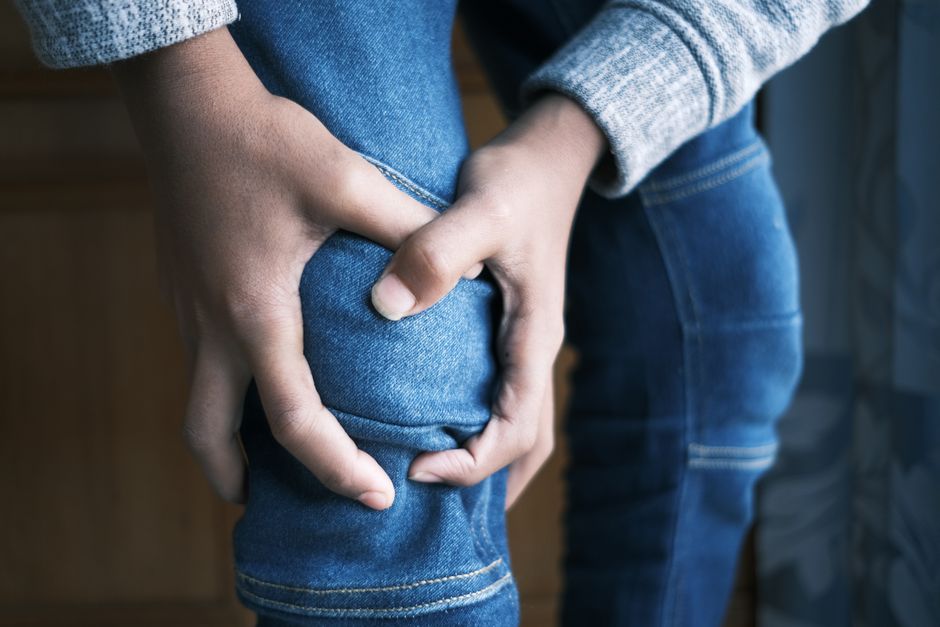
Knee pain is the most common running injury, and most of it comes from doing too much, too soon. The fix is rarely complete rest. It is usually a mix of load management, strengthening the muscles around the hip and knee, and a slow return to running. Patience matters more than any single exercise.
Why Does Running Cause Knee Pain?
Running loads your knee joint with roughly two to three times your body weight with every step. Over a typical run, that is thousands of repetitions. The knee is a hinge joint designed to handle this, but only when the load is matched to what the tissue can tolerate.
Pain usually starts when load outpaces recovery. You increase mileage too fast. You add hill repeats. You change shoes or surfaces. The tissue — tendon, cartilage, or the fat pad under the kneecap — gets irritated, and pain signals start firing.
Two specific patterns stand out. The first is patellofemoral pain syndrome, which causes a dull ache around or under the kneecap. It is the most common running knee complaint, especially in younger runners and women. The second is iliotibial band syndrome, which causes sharp pain on the outside of the knee. It typically shows up at a consistent distance into a run.
Less common causes include patellar tendinopathy (pain just below the kneecap), pes anserine bursitis (inner knee), and meniscal irritation. If your knee locks, gives way, or swells within hours of running, that points toward a structural problem rather than a load problem. See a clinician.
How to Relieve Knee Joint Pain from Running Right Now
Cut your mileage by roughly half for one to two weeks. This is the single most effective step, and it is the one most runners skip. You do not need to stop running entirely unless walking is also painful.
The principle is relative rest. You reduce the aggravating activity enough to let irritation settle, without losing your fitness base. Keep running if your pain stays at or below a mild level during and after the run. If pain climbs during the run or lingers into the next morning, you did too much.
Ice helps with pain in the short term. Apply it for 10 to 15 minutes after running. It will not speed healing, but it can take the edge off. Heat is fine for muscle tightness before a run.
Over-the-counter anti-inflammatories like ibuprofen or naproxen can reduce pain. They do not fix the underlying cause. Using them to push through pain is a mistake. If you need them to run, you are running too much.
Check your cadence. Many runners with knee pain take long, slow strides. Increasing your step rate by about 5 to 10 percent shortens your stride and reduces the load on the kneecap. This is one of the better-supported changes in running biomechanics research.
Which Exercises Actually Help Knee Pain from Running?
Strengthening the quadriceps, glutes, and hips is the most reliable long-term fix. Weak hip muscles let the knee collapse inward during landing, which increases stress on the kneecap and the iliotibial band.
Research consistently shows that exercise therapy beats rest for patellofemoral pain. The specific exercises matter less than doing them consistently and progressing the load over time.
Exercises with the strongest support:
- Quadriceps strengthening — wall sits, leg press, step-downs. These directly support the kneecap.
- Hip abductor work — side-lying leg raises, clamshells, lateral band walks. These control inward knee collapse.
- Glute bridges and hip thrusts — build the hip extensors that drive your stride.
- Single-leg balance work — improves control through the whole stance phase.
Do these two to three times per week. Start with bodyweight and add resistance as it gets easy. Pain during strengthening should stay mild. A little discomfort is acceptable; sharp pain is not.
One thing worth knowing: stretching the iliotibial band does not work. The band is a thick, taut sheet of connective tissue. You cannot lengthen it by pulling on it. What helps is strengthening the hip muscles that control it and reducing running volume.





Should You Stop Running Completely?
No. Complete rest is usually the wrong move for load-related knee pain. Tendons and cartilage respond to controlled loading. Taking weeks off often leaves you weaker and no better off when you return.
What you should stop is the specific thing that flares it. That might be downhill running, long runs, or speed work. Keep the rest of your running.
A practical rule: if pain is mild and settles within 24 hours, keep going. If it is moderate and lasts a day or two, reduce volume. If it is sharp or lasts more than a few days, back off further and consider seeing a sports medicine clinician or physical therapist.
Cross-training can fill the gap. Cycling, swimming, and the elliptical keep your fitness up with less knee load. Water running is a good substitute if you want to mimic the running motion without impact.
What About Shoes, Insoles, and Braces?
The evidence for footwear changes is weaker than most runners assume. No single shoe type has been shown to prevent knee pain across the board. Motion-control shoes are commonly recommended for flat-footed runners, but trials have not consistently shown they reduce injury.
What does seem to matter is comfort. If a shoe feels good on your foot and does not cause pain, that is a reasonable choice. Rotating between two or three pairs may help, though the evidence is not strong.
Custom orthotics are sometimes prescribed for knee pain, particularly patellofemoral pain. Some studies suggest they help a subset of runners, but results vary. They are not a universal fix.
Knee braces and patellar straps can reduce pain during activity. They do not treat the cause. Think of them as a tool to get through a run, not a solution.
How Long Does It Take to Get Better?
Most load-related knee pain improves within four to six weeks with sensible load management and strengthening. Some cases take longer, especially if you have had it for months before addressing it.
The timeline depends on how long you have had the problem and how consistently you follow the plan. Runners who keep running through significant pain tend to take longer to recover.
Signs you are on track: pain during runs is decreasing, pain after runs fades faster, and you can run further before it starts. If none of these are happening after a few weeks of reduced load and strengthening, get assessed. A physical therapist can identify specific weaknesses or movement issues that are keeping you stuck.
Red flags that mean see a doctor now: a knee that locks or catches, significant swelling within hours, pain that wakes you at night, or a knee that gives way. These suggest something beyond a simple overuse problem.
Can Supplements Help Knee Pain?
Most supplement evidence for knee pain is weak. Glucosamine and chondroitin have been studied extensively. The largest trials found they performed no better than placebo for knee osteoarthritis pain. Some individuals report benefit, but the average effect is not there.
Turmeric (curcumin) has some evidence for reducing joint pain, but study quality varies and doses used in trials are often higher than what is in typical supplements. It is not a substitute for load management.
Collagen supplements are popular for tendon and joint health. The evidence is early and mixed. No large trials have confirmed they reduce running-related knee pain.
Vitamin D matters if you are deficient, which is common in northern climates and in people who avoid sun. Correcting a deficiency supports bone and muscle function generally. It is not a treatment for knee pain specifically.
The honest position: no supplement has been shown to fix running-related knee pain. Load management and strengthening do the work.
How Can You Prevent Knee Pain from Coming Back?
Build mileage slowly. A common guideline is to increase weekly distance by no more than about 10 percent per week, though this number is a rough rule of thumb rather than a proven threshold. What matters more is how your body responds.
Keep strengthening year-round, not just when you are hurt. Two sessions a week is enough to maintain the hip and quad strength that protects your knee.
Watch your training mix. Sudden increases in speed work, hills, or long runs are common triggers. Change one thing at a time.
Pay attention to fatigue. Most running injuries happen when you are tired, stressed, or sleeping poorly. Your tissue tolerates less load when you are run down.
If pain starts, act early. A few days of reduced mileage at the first sign beats weeks off later.
Frequently Asked Questions
Should I run with knee pain?
Yes, if the pain is mild and settles within a day. If pain is sharp, worsens during the run, or lingers, reduce your mileage or stop and get assessed.
What is the fastest way to relieve knee pain from running?
Cutting your mileage by about half for one to two weeks is the fastest reliable step. Adding hip and quad strengthening speeds recovery and lowers the chance it comes back.
Does ibuprofen help running knee pain?
It can reduce pain in the short term, but it does not treat the cause. Using it to push through pain usually makes the problem last longer.
Can knee pain from running go away on its own?
Mild cases often settle within a few weeks if you reduce load. Pain that lasts more than a few weeks or keeps returning needs strengthening work and possibly a professional assessment.
