
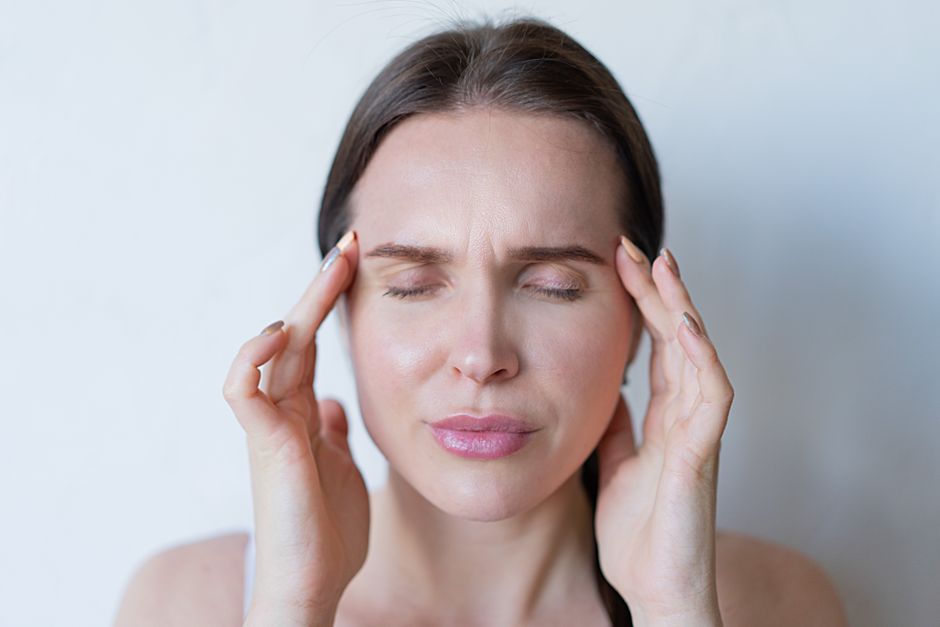
Most headaches ease without medication. Resting in a quiet, dim room, drinking water if you are dehydrated, applying a cold pack to your forehead or a warm pack to your neck, and taking a short break from screens are the fastest home steps for common tension headaches and many migraines. These measures work best when you start them early. They do not replace medical care for a sudden severe headache, a headache with fever and stiff neck, or one that follows a head injury.
Knowing which type of headache you have matters more than any single remedy. A tension headache feels like a tight band around your head. A migraine often brings throbbing pain on one side, along with nausea or light sensitivity. The steps below are grouped by what the evidence actually supports, not by what circulates online.
How To Relieve Headaches Fast Home Remedies That Actually Work
Cold and heat are the most reliable first-line home tools. A cold pack on the forehead or temples can dull migraine pain, and some people find a warm compress on the neck and shoulders helps a tension headache by relaxing tight muscles. Wrap the pack in a cloth and limit contact to about 15 minutes at a time to protect your skin.
Rest in a dark, quiet room helps because migraine attacks often involve sensitivity to light and sound. Reducing stimulation lowers the load on your nervous system while the attack runs its course.
Hydration is simple and often overlooked. Dehydration is a recognized headache trigger, and drinking water is a reasonable early step, especially in heat or after exercise. Caffeine deserves a mention too. A small amount can ease headache pain and is included in some over-the-counter headache products, but regular heavy caffeine use can itself cause rebound headaches when you cut back.
Sleep and stress are the two levers most people underestimate. Poor sleep and ongoing stress are consistently linked to more frequent headaches. A short rest, a breathing exercise, or stepping away from a stressful task will not cure a migraine, but it can lower the intensity of a tension headache.
Does Drinking Water Help a Headache?
Water helps when dehydration is part of the problem. The link between mild dehydration and headache is well documented, and rehydrating is a sensible first move for any headache, particularly after exercise, time in the sun, or illness.
Water will not resolve a migraine that has nothing to do with fluid loss. If you are already well hydrated, drinking more is unlikely to change the pain. The practical test is simple. If you have not had much to drink, or your urine is dark, start with a glass of water and see how you feel over the next 30 to 60 minutes.
Can Cold Packs and Warm Compresses Stop Headache Pain?
Cold and heat work through different mechanisms, and matching the right one to the right headache matters. Cold narrows blood vessels and numbs the area, which some people find helpful for throbbing migraine pain. Heat relaxes muscle tension, which suits the tight neck and scalp muscles of a tension headache.
The evidence for these methods is based largely on how they feel to the person using them rather than large clinical trials. That does not make them useless. It means they are low-risk comfort measures, not proven treatments. If cold makes your headache worse, try heat, and the reverse.
What About Over-the-Counter Pain Relievers?
Common pain relievers can ease headaches, but they carry a real risk if used too often. Taking them more than a couple of days a week on a regular basis can lead to medication-overuse headache, a condition where the medicine itself keeps the pain going. This is one of the most common and least discussed causes of daily headaches.
If you find yourself reaching for pain relievers several days a week, that pattern is worth raising with a clinician. It is a sign the underlying headache pattern needs attention, not just more medicine.
People with certain health conditions, pregnant women, and children should check with a pharmacist or doctor before using any over-the-counter headache product. Dosing guidance on the package is there for a reason, and it should be followed rather than exceeded.
Which Headache Symptoms Mean You Should See a Doctor?
Most headaches are not dangerous. A small number of symptoms point to something that needs urgent medical attention, and these should never be managed at home.
- A sudden, severe headache that peaks within seconds to minutes, often described as the worst headache of your life
- Headache with fever and a stiff neck
- Headache after a head injury
- Headache with confusion, weakness, vision loss, or trouble speaking
- A new or changing headache pattern after age 50
- Headache that keeps getting worse over days or weeks
These signs do not confirm a serious condition. They are reasons to be assessed promptly rather than guess. When in doubt, seek care.
Do Essential Oils and Herbal Remedies Help Headaches?
The evidence here is limited. Some small studies suggest diluted peppermint oil applied to the temples may reduce tension headache pain, and a few trials have looked at lavender. The quality of this research is generally modest, and results vary. No large, well-controlled human trials have confirmed these remedies work reliably.
If you try them, dilute essential oils before applying to skin and keep them away from the eyes and face. Avoid ingesting essential oils. They are not meant to be swallowed, and some are toxic in small amounts, especially for children.
Be cautious with supplements marketed for headaches. The evidence is mixed for most, and products are not tightly regulated for purity or dose. Talk to a clinician before starting any supplement, particularly if you take other medications or are pregnant or breastfeeding.
Can You Prevent Headaches Before They Start?
Prevention is where the strongest gains are. Keeping a regular sleep schedule, eating at consistent times, staying hydrated, and managing stress are the foundation. Many people find a simple headache diary helps them spot patterns, such as certain foods, hormonal cycles, or weather shifts.
Regular physical activity is associated with fewer headaches in some studies, though the evidence is not uniform. The relationship is reasonable to act on because exercise has broad health benefits regardless.
If headaches are frequent, a clinician can discuss preventive strategies. Some preventive approaches are well established, while others are supported by weaker evidence. That conversation is worth having rather than self-treating a recurring pattern indefinitely.
What Makes Headaches Worse at Home?
Some common habits quietly feed headache frequency. Skipping meals, irregular sleep, and too much screen time all contribute. So does overusing pain relievers, as noted above.
Alcohol is another factor. It can trigger headaches in some people and disrupt sleep, which then triggers more headaches the next day. Loud environments and strong smells can also worsen an attack already underway.
The pattern to notice is whether your home habits are helping or hurting. Small, consistent changes tend to matter more than any single remedy.
Frequently Asked Questions
What is the fastest way to get rid of a headache at home?
Resting in a dark, quiet room, applying a cold or warm pack, and drinking water if you may be dehydrated are the quickest home steps. Start them early, since they tend to work better before the pain fully builds.
Does caffeine help or worsen headaches?
A small amount of caffeine can ease headache pain, but regular heavy use can cause rebound headaches when you cut back. Occasional use is different from daily dependence.
When should a headache worry me?
A sudden severe headache, one with fever and stiff neck, or one after a head injury needs prompt medical attention. New or worsening patterns after age 50 also warrant a check.
Can I take pain relievers every day for headaches?
No. Regular use more than a couple of days a week can cause medication-overuse headache, where the medicine keeps the pain going. Frequent use is a reason to see a clinician.
