
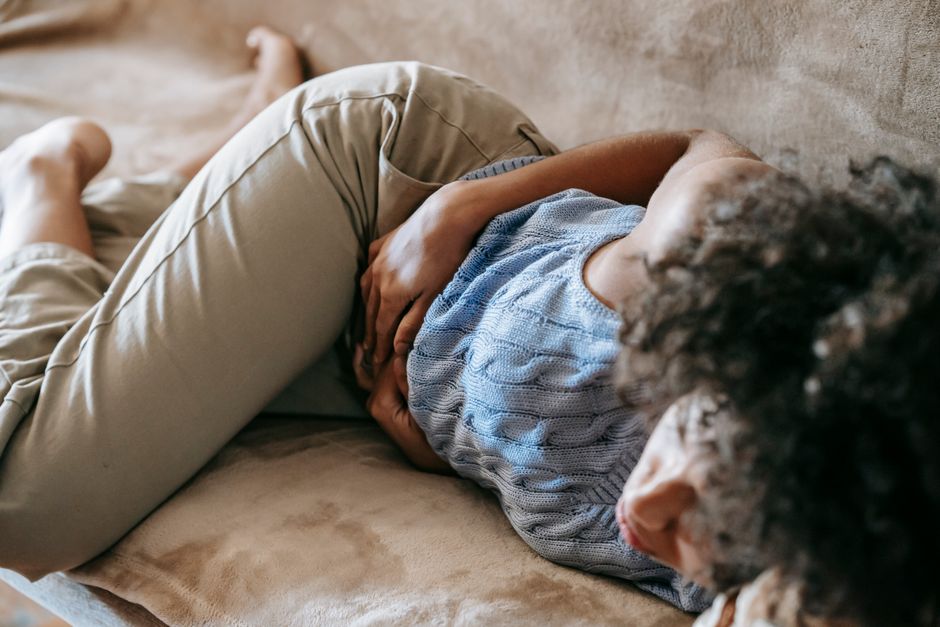
Gallbladder pain usually comes from a blocked duct or an inflamed gallbladder, and the fastest safe relief comes from medical care, not home remedies. If you have severe upper-right abdominal pain, fever, or vomiting, seek emergency care right away. For milder attacks, resting, avoiding fatty foods, and using heat can ease discomfort while you arrange to see a doctor. No home method removes gallstones or treats infection.
The gallbladder is a small pear-shaped organ under the liver. It stores bile, a fluid the liver makes to help digest fat. Pain happens when something blocks the flow of bile or inflames the gallbladder wall. Knowing which is happening matters, because the right response differs.
What Causes Gallbladder Pain?
Most gallbladder pain comes from gallstones. These are hardened deposits that form in bile, and they are very common. Many people have them without any symptoms at all.
Problems start when a stone lodges in a duct and blocks bile flow. The gallbladder contracts against the blockage, which produces the characteristic pain. This is called biliary colic. The pain typically builds over minutes and settles in the upper right or middle of the abdomen. It can spread to the right shoulder blade.
When a blocked duct goes on to cause inflammation of the gallbladder itself, that is cholecystitis. This is more serious than simple biliary colic. It often brings fever and pain that lasts for hours rather than easing. Infection is possible, and cholecystitis generally requires medical treatment.
A less common cause is a gallbladder that does not empty properly, sometimes called biliary dyskinesia. The evidence on how best to diagnose and manage this is less settled than for gallstones.
How To Relieve Gallbladder Pain Fast And Safely
The safest fast relief is getting medical attention when the pain is severe, lasting, or paired with fever. For milder episodes, a few practical steps can ease discomfort while you wait to be seen.
- Stop eating fat for now. Fatty foods trigger the gallbladder to contract, which can worsen pain. Small, low-fat meals or clear fluids are gentler during an attack.
- Apply heat. A warm compress or heating pad on the upper abdomen can relax muscles and ease discomfort. This treats the symptom, not the cause.
- Rest and avoid straining. Physical strain can increase pain. Sit or lie in a comfortable position.
- Stay hydrated. Sip water unless you are vomiting.
- Take pain relief you have discussed with a clinician. Over-the-counter options may help mild pain, but do not mask a serious problem by waiting too long to get help.
What you should not do is try to “flush” gallstones with olive oil, lemon juice, or apple cider vinegar. No clinical evidence confirms these work, and passing stones on your own can be dangerous if a stone blocks a duct. Marketing around gallbladder cleanses is not supported by research.
When Is Gallbladder Pain an Emergency?
Some gallbladder symptoms signal a problem that needs urgent care. Do not wait to see if they pass.
Get emergency help for pain that lasts more than a few hours, pain with fever or chills, yellowing of the skin or eyes, vomiting you cannot keep fluids down with, or a abdomen that is tender and rigid to the touch. These can indicate cholecystitis, a blocked bile duct, or inflammation of the pancreas, which is a serious complication.
Yellowing skin or eyes (jaundice) and pale stools or dark urine can mean a stone is blocking the duct that drains the liver. That needs prompt medical evaluation, not home treatment.
Trust your sense of how severe the pain is. A mild attack that settles within an hour is different from pain that keeps you awake or doubles you over. When in doubt, get checked.
What Does Medical Treatment for Gallbladder Pain Involve?
Doctors treat gallbladder pain based on what is causing it. The approach for a single mild gallstone attack differs from the approach for an infected gallbladder.
For inflammation or infection, treatment may include antibiotics and pain control, sometimes in a hospital. If gallstones are causing repeated attacks, surgery to remove the gallbladder is a common option. This is called cholecystectomy, and it is one of the most frequently performed operations. People live normal lives without a gallbladder because the liver still makes bile, which then flows directly into the small intestine.
Some stones in the bile ducts can be removed without surgery using a procedure called ERCP, where a specialist uses a scope to reach and clear the duct. The right choice depends on your situation, and a doctor will weigh the risks and benefits.
It is worth knowing that surgery is not automatically the answer for a first, mild attack. Some people with infrequent symptoms and their clinicians decide to watch and wait. This is a real conversation to have, because the evidence supports more than one path depending on the person.
Can Diet Help Prevent Gallbladder Attacks?
Diet can influence gallstone risk, though it cannot guarantee you will avoid them. The strongest dietary signal is body weight. Rapid weight loss and obesity are both linked to gallstone formation.
Eating regular meals and not skipping breakfast appears to help the gallbladder empty and may reduce stone risk, though the evidence is not airtight. A diet low in saturated fat and higher in fiber is generally sensible for gallbladder health, consistent with broader heart-health guidance.
If you are trying to lose weight, losing it gradually rather than through crash diets is thought to lower gallstone risk. Very low-calorie diets are associated with more stone formation. Talk with a clinician before starting an aggressive weight-loss plan, especially if you have had gallbladder symptoms.
What About Home Remedies and Cleanses?
Home “gallbladder flushes” are popular online and are not supported by clinical evidence. They typically involve large amounts of olive oil, citrus juice, or Epsom salts.
The stones people report passing after these cleanses are usually not gallstones at all. They are more likely clumps of oil and digestive material that form in the gut. Real gallstones are hardened and do not dissolve in this way. No study has confirmed that flushes remove stones or relieve pain.
There is also a safety concern. If a stone is already blocking a duct, forcing the gallbladder to contract with a large fat load could worsen the situation. Epsom salts in large amounts can cause dehydration and electrolyte problems.
Some people find that a heating pad, rest, and avoiding fatty foods make an attack more bearable. That is reasonable symptom relief. It is not a treatment for the underlying cause, and it should not delay medical care when symptoms are serious.
How Can You Lower Your Risk of Future Attacks?
If you have had gallbladder pain, some habits may reduce how often it returns. These support general health and are not a substitute for medical advice.
- Eat regular meals rather than long fasts.
- Keep saturated fat moderate and include fiber-rich foods.
- Maintain a healthy body weight and lose weight gradually if needed.
- Stay physically active.
- Follow up with your doctor about whether your symptoms warrant further evaluation.
None of these steps is proven to prevent every attack. They are reasonable, low-risk habits that align with what is generally known about gallstone risk. If attacks keep coming back, that is a signal to talk with a clinician about options, including whether surgery makes sense for you.
Frequently Asked Questions
How do you relieve gallbladder pain fast at home?
For mild pain, stop eating fatty foods, apply heat to the upper abdomen, and rest while you arrange medical care. Home steps ease symptoms but do not treat a blocked duct or infection, so severe or lasting pain needs a doctor.
Does drinking olive oil or lemon juice flush out gallstones?
No clinical evidence confirms that flushes remove gallstones, and the material people pass is usually not actual stones. These cleanses can be risky if a stone is already blocking a duct.
When should I go to the emergency room for gallbladder pain?
Go if pain lasts more than a few hours, or comes with fever, chills, vomiting, yellowing skin or eyes, or a rigid, tender abdomen. These can signal infection or a blocked duct that needs urgent treatment.
Can gallbladder pain go away on its own?
A mild gallstone attack often eases within a few hours as the stone moves away from the duct. Pain that persists, worsens, or brings fever should be evaluated, because it may mean inflammation or infection.
