
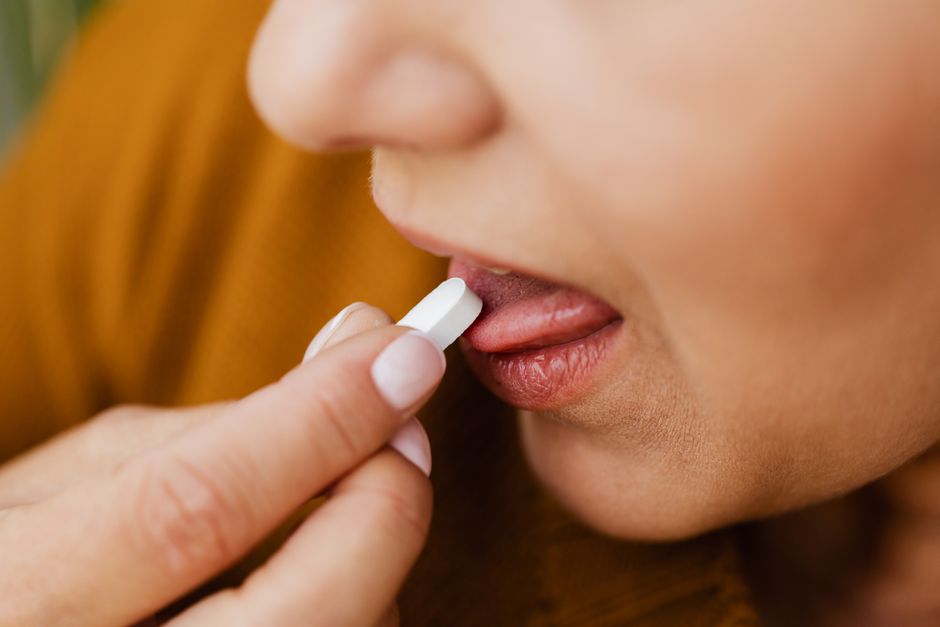
Dry mouth, known medically as xerostomia, happens when your salivary glands do not make enough saliva. For fast relief, sip water, chew sugar-free gum, or use an over-the-counter saliva substitute. For relief that lasts through the day and night, you need to find and address the cause. That usually means reviewing medications, adjusting your environment, and protecting your teeth.
Saliva does more than keep your mouth wet. It neutralizes acids, washes away food particles, and helps prevent tooth decay. When it drops, those protections drop with it. That is why dry mouth is not just uncomfortable. It can affect your dental health over time.
What Causes Dry Mouth?
Medications are the most common cause. Hundreds of prescription and over-the-counter drugs list dry mouth as a side effect. Antihistamines, antidepressants, blood pressure medications, diuretics, and muscle relaxants are common offenders. If you take several medications, the effect can add up.
Age itself is not a direct cause. Older adults are more likely to take medications that cause dry mouth, which is why it becomes more common with age. But the medication is the driver, not the birthday.
Other causes include:
- Health conditions such as Sjögren’s syndrome, diabetes, and HIV/AIDS
- Nerve damage to the head or neck from injury or surgery
- Cancer treatment, including radiation to the head and neck or chemotherapy
- Tobacco and alcohol use
- Recreational drug use, particularly methamphetamine
- Dehydration from illness, exercise, or not drinking enough fluids
Sjögren’s syndrome is an autoimmune condition in which the body attacks its own moisture-producing glands. It affects the eyes and mouth most often. If dry mouth comes with dry eyes and joint pain, that combination is worth mentioning to a doctor.
How To Relieve Dry Mouth Fast Day And Night?
The fastest relief comes from replacing or stimulating saliva right when you need it. These steps work within minutes:
- Sip water frequently. Small sips throughout the day keep the mouth moist without forcing you to drink large amounts at once.
- Chew sugar-free gum or suck on sugar-free hard candy. Chewing and sucking signal the brain to increase saliva flow. Make sure it is sugar-free. Sugary gum and candy feed the bacteria that cause cavities, and a dry mouth cannot defend against them.
- Use an over-the-counter saliva substitute. These come as sprays, gels, and rinses. They coat the mouth and provide temporary moisture. They do not stimulate your own saliva, but they can help for a short time.
- Try a mouthwash made for dry mouth. Look for one without alcohol. Alcohol dries out tissue and will make the problem worse.
These measures help in the moment. They do not fix an underlying cause. If dry mouth persists, the next step is figuring out why.
What Helps Dry Mouth At Night?
Nighttime is often the hardest. You are not drinking, chewing, or swallowing as you sleep, so saliva flow drops even further. Many people wake with a dry, sticky mouth or a sore throat.
A few changes can make a real difference:
- Use a humidifier in the bedroom. Adding moisture to the air can reduce how much your mouth dries out overnight.
- Keep water at the bedside and sip if you wake.
- Apply a saliva substitute gel before bed. Gels tend to last longer than sprays.
- Breathe through your nose. Mouth breathing speeds up drying. If your nose is blocked, treating that can help your mouth at night.
- Avoid alcohol and caffeine in the evening. Both increase fluid loss and can worsen dryness.
If you sleep with your mouth open because of nasal congestion or sleep apnea, that is worth addressing with a doctor. Mouth breathing during sleep is a common and often overlooked cause of morning dry mouth.





Which Medications Cause Dry Mouth?
This is one of the most useful things to check, because it is often fixable. Dry mouth is a listed side effect of a long list of common drugs. The table below shows some of the main categories.
| Drug Category | Common Examples | Why It Dries The Mouth |
|---|---|---|
| Antihistamines | Diphenhydramine, cetirizine | Block signals that tell glands to produce moisture |
| Antidepressants | Amitriptyline, sertraline | Reduce nerve signals to salivary glands |
| Blood pressure drugs | Diuretics, beta-blockers | Increase fluid loss or reduce saliva flow |
| Muscle relaxants | Cyclobenzaprine | Depress nerve activity, including in glands |
| Incontinence drugs | Oxybutynin | Block the same signals antihistamines do |
Do not stop any medication on your own. If you suspect a drug is causing your dry mouth, talk to your prescriber. Sometimes the dose can be lowered. Sometimes a different drug in the same class works just as well without the side effect. Occasionally, a medication can be stopped altogether. Those are decisions for your doctor, not for you to make alone.
Can Dry Mouth Damage Your Teeth?
Yes, and this is the part people underestimate. Saliva is your mouth’s main defense against decay. It neutralizes acid from food and drink, washes away sugar, and delivers minerals that repair early damage to tooth enamel.
When saliva drops, cavity risk goes up. Tooth decay can progress faster. Gum disease becomes more likely. Oral infections, including a fungal infection called oral thrush, are more common in people with dry mouth.
That is why treating dry mouth is not just about comfort. It protects your teeth. Good daily habits matter more when you have dry mouth:
- Brush twice a day with fluoride toothpaste.
- Floss daily.
- Limit sugary foods and drinks.
- See your dentist regularly. Tell them you have dry mouth so they can watch for early problems.
Fluoride is especially important here. It helps rebuild tooth enamel, and when saliva is low, that protection matters more.
When Should You See A Doctor?
See a doctor or dentist if dry mouth persists for more than a couple of weeks, or if it comes with other symptoms. Persistent dry mouth is not something to simply live with.
Warning signs worth acting on:
- Dry mouth along with dry eyes, joint pain, or fatigue
- Difficulty swallowing or a feeling that food gets stuck
- Frequent cavities or new gum problems
- White patches or sores in the mouth that do not heal
- Dry mouth that starts suddenly without an obvious cause
These can point to conditions that need treatment. A doctor can review your medications, run tests, and check for underlying disease. Some causes are manageable. Some are not curable, but the symptoms can still be controlled.
What About Home Remedies And Products?
Several products and habits are marketed for dry mouth. Some help. Some do not. It is worth knowing the difference.
Things that generally help:
- Sugar-free gum and lozenges that stimulate saliva
- Alcohol-free mouthwash
- Saliva substitutes in spray, gel, or rinse form
- Room humidifiers
- Staying hydrated
Things to be cautious about:
- Alcohol-based mouthwash, which dries tissue further
- Sugary candy or gum, which increase cavity risk
- Caffeine and alcohol, which can worsen dryness
- Products claiming to “cure” dry mouth. No product cures an underlying cause. They manage symptoms.
Some people find relief from simple habits like avoiding spicy or salty foods, which can irritate a dry mouth. Others find that certain acidic drinks make things worse. Pay attention to what triggers your symptoms and adjust.
No single remedy works for everyone. Dry mouth has many causes, and the right approach depends on yours. What works fast for one person may do little for another. The most reliable path is to combine immediate relief with a plan that addresses the cause.
Frequently Asked Questions
What is the fastest way to relieve dry mouth?
Sipping water or chewing sugar-free gum gives the quickest relief by adding moisture or triggering saliva flow within minutes. An over-the-counter saliva substitute can also help right away.
Why is my mouth so dry at night?
Saliva flow naturally drops during sleep, and mouth breathing makes it worse. A humidifier, bedside water, and a saliva substitute gel before bed can reduce nighttime dryness.
Can dry mouth be cured?
It depends on the cause. If a medication is the reason, adjusting it may resolve the problem, but that is a decision for your doctor. When dry mouth comes from a condition like Sjögren’s syndrome, it is usually managed rather than cured.
Does dry mouth cause bad breath?
Yes. Saliva washes away bacteria that produce odor, so less saliva often means more bad breath. Treating the dry mouth usually improves the breath as well.
