
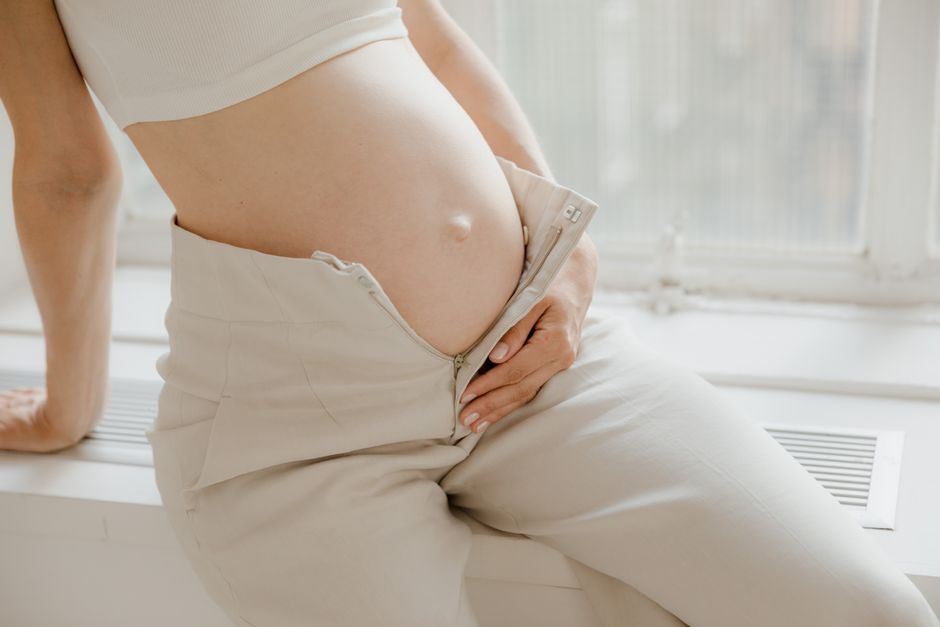
Feeling like you swallowed a balloon? You are not alone. Bloating is one of the most common discomforts in pregnancy. It happens because your body makes more progesterone. That hormone relaxes smooth muscles, including your digestive tract. Food moves slower. Gas builds up. The result is that tight, swollen feeling in your belly. The good news is you can do something about it. The most effective way to relieve bloating when pregnant is to eat smaller meals more often, drink water consistently throughout the day, and avoid swallowing air while eating. These steps work because they directly address the slowed digestion that pregnancy causes. Below is a full breakdown of what the evidence says and what actually helps.
What Causes Bloating During Pregnancy?
Bloating starts early. For many women, it begins in the first trimester. The main cause is progesterone. This hormone rises sharply after conception. It relaxes the muscles in your intestines and stomach. That relaxation slows down the entire digestive process.
Food stays in your stomach longer. It moves through the intestines more slowly. Bacteria in your gut have more time to ferment the food. That fermentation produces gas. The gas stretches your intestinal walls. That is the bloated feeling you notice.
Later in pregnancy, the growing uterus adds pressure. It pushes upward on your stomach and intestines. That physical crowding makes it harder for gas to pass. The combination of slow digestion and physical pressure is why bloating can get worse in the third trimester.
There is also a lesser-known factor. Your body absorbs more water during pregnancy to support increased blood volume. That extra water can make tissues in your digestive tract feel fuller and more swollen. It is not just gas. It is fluid retention in the gut lining itself.
How to Relieve Bloating When Pregnant with Diet Changes
Your diet is the most powerful tool you have. The goal is not to eat less. The goal is to eat in a way that gives your slow digestive system less work at one time.
Eat smaller meals more frequently. Instead of three large meals, try five or six small ones. A large meal overwhelms a slow stomach. A small meal passes through more easily. Research from the American College of Obstetricians and Gynecologists supports eating smaller portions to reduce digestive discomfort in pregnancy.
Chew food thoroughly. Digestion starts in your mouth. The more you chew, the less work your stomach has to do. Aim for 20 to 30 chews per bite. It sounds excessive. It makes a real difference.
Avoid carbonated drinks. Soda, sparkling water, and beer all release carbon dioxide gas in your stomach. That gas has to go somewhere. It distends your belly and adds to the bloating you already have.
Reduce high-fiber foods temporarily. Fiber is healthy. But a sudden increase in fiber while your digestion is already slow can cause more gas. Beans, broccoli, cabbage, and onions are common culprits. You do not need to eliminate them. Just eat smaller amounts and see how your body responds.
Limit salt. Sodium causes your body to hold onto water. That includes water in your digestive tract. Processed foods, canned soups, and fast food are the biggest sources. Cooking at home with herbs instead of salt helps.
What to Drink to Reduce Bloating
Water is the answer. But how you drink it matters.
Sip water throughout the day. Do not chug large amounts at once. Drinking too much water too quickly fills your stomach and stretches it. That triggers more bloating. Small sips spread out over the day keep your digestive system moving without overwhelming it.
Warm water or herbal tea can help. Warm liquids can stimulate peristalsis — the wave-like muscle contractions that move food through your intestines. Ginger tea is a good option. Some studies suggest ginger helps with gas and nausea in pregnancy. Peppermint tea is also popular, though some pregnant women find it relaxes the lower esophageal sphincter too much and causes heartburn. Pay attention to your own reaction.
Drink between meals, not with meals. Drinking a large glass of water with your food dilutes stomach acid and fills your stomach space. That can slow digestion further. Drink water 30 minutes before or after a meal instead.
Avoid drinking through a straw. Straws make you swallow air. That air goes into your stomach and adds to bloating. It is a small change that matters more than most people realize.




Movement and Body Position for Gas Relief
Physical activity helps move gas through your system. You do not need intense exercise. Gentle movement is enough.
Walking after meals. A 10 to 15 minute walk after eating helps stimulate digestion. Gravity and gentle movement help food and gas move downward. A study published in the journal Digestive Diseases and Sciences found that walking reduced bloating in people with slow digestion. The same principle applies in pregnancy.
Pelvic tilts. Stand with your back against a wall. Tilt your pelvis forward so your lower back flattens against the wall. Hold for a few seconds and release. This gentle movement can relieve pressure in the lower abdomen and help gas pass.
Knee-to-chest position. Lie on your back. Bring one knee toward your chest and hold it gently. Switch legs. This position helps release trapped gas. Do this for a minute or two at a time.
Side-lying position. Lying on your left side helps gas move through the ascending colon more easily. The colon runs upward on the right side of your abdomen. Gravity helps when you lie on your left. This is also the recommended sleeping position in later pregnancy for blood flow reasons.
| Position | How It Helps | Best Time to Use |
|---|---|---|
| Walking | Stimulates intestinal movement | After meals |
| Pelvic tilts | Relieves lower abdominal pressure | When feeling full or tight |
| Knee-to-chest | Releases trapped gas | When bloating is acute |
| Left side lying | Uses gravity on colon | Resting or sleeping |
What to Avoid That Makes Bloating Worse
Some things are obvious. Some are not. Here is what to watch for.
Chewing gum and hard candy. You swallow air every time you chew gum or suck on candy. That air goes directly to your stomach. Sugar-free gum is worse because sugar alcohols like sorbitol can ferment in the gut and produce additional gas.
Eating too fast. When you rush through a meal, you swallow more air. Put your fork down between bites. Take a breath. Slowing down reduces the air you swallow and gives your brain time to register fullness.
Tight clothing. Waistbands and belts that press on your abdomen make bloating feel worse. They do not cause gas. But they compress an already distended belly, which increases discomfort. Maternity pants with stretchy panels help.
Dairy if you are sensitive. Pregnancy can temporarily reduce lactase production. That is the enzyme that breaks down lactose in milk. If you notice more bloating after dairy, try lactose-free milk or yogurt for a few days and see if it helps.
Artificial sweeteners. Sorbitol, xylitol, and mannitol are poorly absorbed by the small intestine. They reach the colon intact and bacteria ferment them. That produces gas. Check ingredients in sugar-free products, protein bars, and some chewing gums.
Common Misconceptions About Pregnancy Bloating
There is a lot of bad advice online. Let me clear up a few things.
Bloat is not the same as baby bump growth. Many women worry they are gaining too much weight when they are actually just bloated. Bloating comes and goes. A baby bump stays. If your belly size changes noticeably from morning to night, that is mostly gas and fluid, not the baby.
Probiotics are not a guaranteed fix. Some studies suggest probiotics can help with bloating in non-pregnant people. The evidence in pregnancy is much weaker. A 2018 review in the Cochrane Database of Systematic Reviews found no clear benefit of probiotics for pregnancy-related digestive symptoms. They are safe for most women. But do not expect a miracle.
Lemon water is not a cure. Warm lemon water is a popular internet remedy for bloating. There is no clinical evidence that lemon juice specifically reduces gas or slows fluid retention. If you like the taste, drink it. But it is not doing anything special that plain warm water does not.
Bloating does not mean something is wrong. In most cases, it is a normal symptom of pregnancy. But if bloating is severe, lasts more than a few days, or comes with pain, vomiting, or bleeding, call your doctor. It can sometimes signal preeclampsia or other conditions that need medical attention.
Frequently Asked Questions
Can I take gas relief medicine while pregnant?
Simethicone is generally considered safe during pregnancy, but always check with your doctor first. It works by helping gas bubbles combine so they pass more easily.
Does drinking more water actually help bloating?
Yes, but sip water slowly throughout the day instead of drinking large amounts at once. Consistent hydration keeps your digestive system moving.
Is bloating worse in early or late pregnancy?
Bloating is often worst in the first trimester due to rising progesterone. It can return in the third trimester as the uterus presses on the intestines.
Can constipation cause bloating in pregnancy?
Yes, constipation is a major cause of bloating because slow-moving stool allows more gas to build up. Increasing water and gentle fiber can help both issues.
