

An itchy breast while breastfeeding is common and usually harmless, but it can make you miserable. The itch is often caused by dry skin, friction from nursing pads, or a mild yeast infection. You can relieve it at home by moisturizing with a safe, fragrance-free cream, changing nursing pads frequently, and rinsing your breasts with water after feeds. If the itch comes with a rash, burning pain, or cracked nipples, see your doctor or a lactation consultant for a proper diagnosis before trying more treatments.
What Causes an Itchy Breast While Breastfeeding?
Your skin changes a lot when you breastfeed. The nipple and areola are sensitive, and they are in contact with moisture, fabric, and your baby’s mouth for hours each day. That combination makes irritation very common.
The most frequent causes include:
- Dry skin from frequent washing or harsh soaps
- Friction from nursing bras, pads, or clothing
- Thrush, a yeast infection that grows in warm, damp areas
- Dermatitis, an allergic reaction to lotions, detergents, or fabrics
- Milk leakage that keeps the skin damp and irritated
Each cause needs a different treatment. That is why identifying the source matters before you start applying creams or changing your routine.
How To Relieve an Itchy Breast While Breastfeeding Safely
Start with the simplest fixes first. Many cases of itchy breasts clear up with basic skin care changes.
Rinse your breasts with plain water once a day. Soap can strip natural oils and make dryness worse. If you do use soap, choose a mild, fragrance-free option and rinse thoroughly.
Pat your skin dry gently after showering and after feeds. Do not rub. Rubbing irritates already sensitive skin.
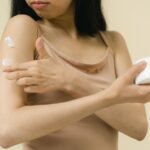
Apply a lanolin-based nipple cream or a plain, fragrance-free moisturizer after each feed. These products are safe for breastfeeding and do not need to be wiped off before nursing. Coconut oil is another option some women find helpful, though it has not been studied as thoroughly as lanolin.
Change nursing pads as soon as they become damp. Leaving a wet pad against your skin traps moisture and creates a perfect environment for yeast and irritation.
When the Itch Is Thrush
Thrush is a yeast infection caused by Candida, a fungus that naturally lives on the skin. When the area stays warm and damp, yeast can overgrow and cause symptoms.
Thrush looks different from simple dryness. You may notice:
- Shiny, red, or flaky skin on the nipple or areola
- Burning or stinging pain during or after feeds
- Deep breast pain that feels like it is inside the breast tissue
- White patches in your baby’s mouth
If you suspect thrush, do not treat it on your own. Over-the-counter antifungal creams can help, but you need a doctor to confirm the diagnosis. Thrush is also highly contagious between you and your baby. Both of you usually need treatment at the same time, or you will keep passing it back and forth.
Your doctor may prescribe an antifungal cream for your skin and an oral gel for your baby. Some clinicians recommend probiotics while treating thrush, but the evidence for this is limited. Follow your doctor’s instructions exactly.

Allergic Reactions and Contact Dermatitis
Contact dermatitis happens when your skin reacts to something it touches. Common triggers include:
- New laundry detergents or fabric softeners
- Nursing pads with plastic backing
- Lotions, soaps, or body washes with fragrance
- Nipple creams with preservatives or additives
The rash from contact dermatitis usually looks red, dry, and sometimes blistered. It itches intensely. The treatment is simple: find the trigger and remove it.
Switch to fragrance-free, dye-free laundry detergent. Rinse your clothes twice if needed. Choose nursing pads made from cotton or bamboo rather than synthetic materials. Stop using any new product that appeared around the same time the itch started.
If the rash does not improve within a few days of removing the likely trigger, see a doctor. You may need a mild steroid cream to calm the inflammation.
Rare but Serious Causes of Itchy Breasts
Most itchy breasts during breastfeeding are not serious. But you should know the warning signs.
In rare cases, an itchy breast can be a symptom of inflammatory breast cancer, an aggressive form of breast cancer. This condition is very rare, and it is even rarer during pregnancy and breastfeeding. The symptoms are different from common itch:
- The breast looks swollen and red
- The skin has a dimpled appearance, like an orange peel
- The breast feels warm to the touch
- The symptoms come on quickly, over weeks rather than months
If you have any of these signs, contact your doctor promptly. Do not wait to see if it resolves on its own. The vast majority of breast changes during breastfeeding are benign, but a doctor should evaluate persistent or unusual symptoms.
Preventing Itchy Breasts While Nursing
Prevention is easier than treatment. A few consistent habits can keep your skin healthy throughout your breastfeeding journey.
Keep your breasts dry between feeds. Air-dry for a few minutes after nursing before putting on a bra. If you are prone to leaking, use breathable nursing pads and change them often.
Wear a cotton bra that fits well. Synthetic fabrics trap heat and moisture. Cotton allows air to circulate and keeps the skin drier.
Avoid harsh soaps and hot water on your breasts. Hot water strips natural oils. Warm water is enough for cleaning.
Moisturize daily even when you are not itchy. Keeping the skin barrier healthy prevents dryness before it starts. Lanolin or a plain fragrance-free cream works well.
When To See a Doctor
Some situations require medical attention. Make an appointment if you experience any of the following:
- The itch lasts more than one week despite home care
- You see a rash that spreads or worsens
- You have cracked, bleeding, or oozing nipples
- You feel deep breast pain or a fever
- You notice a lump, swelling, or skin changes on the breast
A lactation consultant can also help. They can observe a feed and check your latch and positioning. Sometimes the problem is mechanical — a poor latch can cause friction and irritation that leads to itching.
Your doctor or lactation consultant can tell the difference between thrush, dermatitis, and other conditions. Getting the right diagnosis matters because the treatments are completely different.
Home Remedies That Actually Work
Some home remedies are safe and effective. Others are not worth your time.
What works:
- Plain water rinses after feeds to remove milk residue
- Lanolin cream to moisturize and protect the skin
- Air exposure to let the skin dry completely
- Cool compresses for temporary itch relief
What to skip:
- Apple cider vinegar — it can burn already irritated skin
- Tea tree oil — it is not safe for the nipple area and can be toxic to babies
- Rubbing alcohol — it dries the skin and worsens cracking
- Baking soda pastes — they disrupt the skin’s natural pH
If a home remedy causes burning or stinging, stop immediately and rinse with water. Your skin is delicate, and harsh treatments can make the problem worse.
Managing Itch Without Interrupting Breastfeeding
You do not need to stop breastfeeding because of an itchy breast. In most cases, continuing to nurse is completely safe for both you and your baby.
The exception is if you have a severe yeast infection or an allergic reaction that makes nursing painful. In those cases, treat the underlying cause first. Once the skin heals, feeding usually becomes comfortable again.
If the itch is mild, keep nursing and focus on the skin care routine. Many women find the itch improves within a few days of consistent moisturizing and keeping the area dry.
If you are in significant pain, talk to your doctor. There are pain management options that are safe while breastfeeding. You do not need to suffer through it.
Frequently Asked Questions
Can I use hydrocortisone cream on my breast while breastfeeding?
You should not use hydrocortisone on your nipples or areola without a doctor’s approval. If your doctor prescribes it, apply it after feeding and wipe it off before the next feed.
Is it safe to nurse my baby if my breast itches?
Yes, in most cases it is safe to continue nursing. Simple dryness and mild irritation do not pass anything harmful to your baby.
How long does breast thrush take to clear up?
With proper antifungal treatment, symptoms usually improve within a few days. The full course of treatment may take up to two weeks, and you must treat your baby at the same time.
Can my nursing bra cause itchy breasts?
Yes, a bra made from synthetic fabric or one that traps moisture can irritate your skin. Switch to cotton bras and change them daily to reduce friction and dampness.
